Mental Wellness
Maintaining good mental health is crucial for overall well-being, including boosting immunity against illnesses like the flu and cold. When our mental state is balanced and positive, our body is better equipped to fight off infections and stay healthy.
Strategies for Maintaining Good Mental Health
- Practice mindfulness and relaxation techniques such as meditation or deep breathing exercises.
- Engage in regular physical activity to release endorphins and reduce stress.
- Ensure an adequate amount of sleep to support cognitive function and emotional well-being.
- Connect with friends and loved ones for social support and a sense of belonging.
- Seek professional help if feeling overwhelmed or struggling with mental health issues.
Connection Between Stress Levels and Susceptibility to Illnesses
Stress can weaken the immune system, making individuals more susceptible to illnesses like the flu and cold. High levels of stress hormones can suppress the immune response, making it harder for the body to fight off infections. Therefore, managing stress through relaxation techniques and self-care is essential for maintaining good mental and physical health.
Physical Fitness
Regular exercise plays a crucial role in preventing flu and cold by boosting the immune system and overall health. Physical activities help in improving circulation, reducing inflammation, and enhancing the body’s ability to fight off infections.
Examples of Physical Activities
- Cardiovascular exercises like running, cycling, or swimming can increase heart rate and improve circulation, which helps in flushing out toxins from the body.
- Strength training exercises such as weightlifting or bodyweight exercises can strengthen muscles and bones, promoting overall health and immunity.
- Yoga and Pilates can help in reducing stress levels, which in turn enhances the immune response of the body.
Impact of Sedentary Lifestyles
A sedentary lifestyle, characterized by lack of physical activity and prolonged sitting, can weaken the immune system and make individuals more susceptible to illnesses like flu and cold. Reduced movement leads to poor circulation, muscle weakness, and increased inflammation, making the body less effective in fighting off infections.
Healthy Eating
Eating a nutritious diet plays a crucial role in preventing flu and colds by boosting the immune system and overall health. A well-balanced diet provides essential vitamins, minerals, and antioxidants that help strengthen the body’s defenses against infections.
Role of Nutrition in Preventing Flu and Cold
Proper nutrition is essential for a healthy immune system. Foods rich in vitamin C, such as citrus fruits, bell peppers, and strawberries, can help reduce the duration and severity of cold symptoms. Vitamin D, found in fatty fish, eggs, and fortified dairy products, is also important for immune function. Zinc, present in lean meats, nuts, and seeds, can help fight off viruses.
Comparison of Different Diets for Boosting Immunity, Preventive care measures for flu and cold prevention
– Mediterranean Diet: Rich in fruits, vegetables, whole grains, and healthy fats like olive oil, this diet provides a variety of nutrients that support immune health.
– Plant-Based Diet: Focusing on fruits, vegetables, nuts, seeds, and legumes, this diet is high in antioxidants and fiber, which can enhance immune function.
– DASH Diet: Emphasizing fruits, vegetables, lean proteins, and whole grains, the DASH diet can help reduce inflammation and support overall health.
Recipes and Meal Plans for Immune Health
- Immune-Boosting Smoothie: Blend spinach, berries, Greek yogurt, and a splash of orange juice for a vitamin-packed breakfast or snack.
- Garlic Roasted Chicken: Marinate chicken breasts with garlic, lemon, and herbs, then roast until tender for a flavorful and immune-supportive meal.
- Quinoa Salad: Combine cooked quinoa with diced vegetables, chickpeas, and a lemon vinaigrette for a nutritious and satisfying lunch option.
Preventive Care
To avoid flu and cold, individuals can take various preventive measures to protect themselves and others from illness. Implementing good hygiene practices is crucial in preventing the spread of illnesses, and creating a preventive care routine can significantly reduce the risk of getting sick.
Importance of Hygiene Practices
Maintaining proper hygiene practices is essential in preventing the spread of flu and cold viruses. Washing hands frequently with soap and water, using hand sanitizer when soap is not available, and covering your mouth and nose when sneezing or coughing can help reduce the transmission of germs.
Tips for Creating a Preventive Care Routine
- Get vaccinated annually to protect against seasonal flu strains.
- Avoid close contact with individuals who are sick to minimize exposure to viruses.
- Clean and disinfect frequently touched surfaces, such as doorknobs and light switches, to reduce the spread of germs.
- Practice good respiratory hygiene by covering your mouth and nose with a tissue or your elbow when sneezing or coughing.
- Eat a balanced diet, exercise regularly, and get an adequate amount of sleep to support a strong immune system.
Balanced Diet
Preventive care measures for flu and cold prevention – Ensuring a balanced diet is crucial for maintaining a strong immune system and preventing flu and colds. A balanced diet provides the necessary nutrients to support overall health and immunity.
Components of a Balanced Diet for Immune Support
A balanced diet should include a variety of foods from different food groups to ensure adequate intake of essential nutrients. Here are the key components:
- Protein: Helps build and repair tissues, including immune cells. Good sources include lean meats, poultry, fish, beans, and tofu.
- Fruits and Vegetables: Rich in vitamins, minerals, and antioxidants that boost immunity. Aim for a colorful variety to get different nutrients.
- Whole Grains: Provide energy and fiber, supporting overall health. Choose whole grains like brown rice, quinoa, and whole wheat bread.
- Healthy Fats: Omega-3 fatty acids found in fish, nuts, and seeds have anti-inflammatory properties and support immune function.
- Dairy or Dairy Alternatives: Good sources of calcium and vitamin D, important for immune health. Opt for low-fat or plant-based options.
Significance of Vitamins and Minerals in Boosting Immunity
Vitamins and minerals play a vital role in boosting immunity by supporting various immune functions. Here are some key nutrients and their significance:
| Vitamin | Role | Sources |
|---|---|---|
| Vitamin C | Antioxidant properties, supports immune cell function | Citrus fruits, berries, kiwi, bell peppers |
| Vitamin D | Regulates immune response, reduces inflammation | Fatty fish, fortified dairy, sunlight |
| Zinc | Essential for immune cell function and wound healing | Meat, shellfish, legumes, seeds |
Foods for Immune Support in a Balanced Diet
Include these immune-boosting foods in your balanced diet to strengthen your immune system:
- Garlic: Contains allicin, which has antibacterial and antiviral properties.
- Yogurt: Probiotics in yogurt support gut health, linked to improved immunity.
- Berries: Rich in antioxidants like vitamin C and flavonoids that enhance immune function.
- Spinach: Packed with vitamins A, C, and E, along with antioxidants and minerals for immunity.
- Almonds: Good source of vitamin E, an antioxidant that helps protect immune cells.
Regular Exercise
Regular exercise plays a crucial role in maintaining a strong immune system. When you engage in physical activity, you increase blood circulation and the release of endorphins, which can help reduce stress levels and promote better sleep – both of which are key factors in supporting immune function.
Relationship between Exercise and Immune Health
Regular exercise has been shown to have a positive impact on the immune system. Moderate-intensity exercise can help to flush bacteria out of the lungs and airways, reducing the likelihood of getting sick. Additionally, exercise causes changes in antibodies and white blood cells, which are the body’s immune system cells that fight disease.
- Aim for at least 150 minutes of moderate-intensity exercise per week, such as brisk walking, cycling, or swimming.
- Include strength training exercises at least two days a week to further boost immune function.
- Be sure to incorporate flexibility and balance exercises to improve overall physical fitness and reduce the risk of injury.
Regular exercise can help to flush bacteria out of the lungs and airways, reducing the likelihood of getting sick.
Mental Health
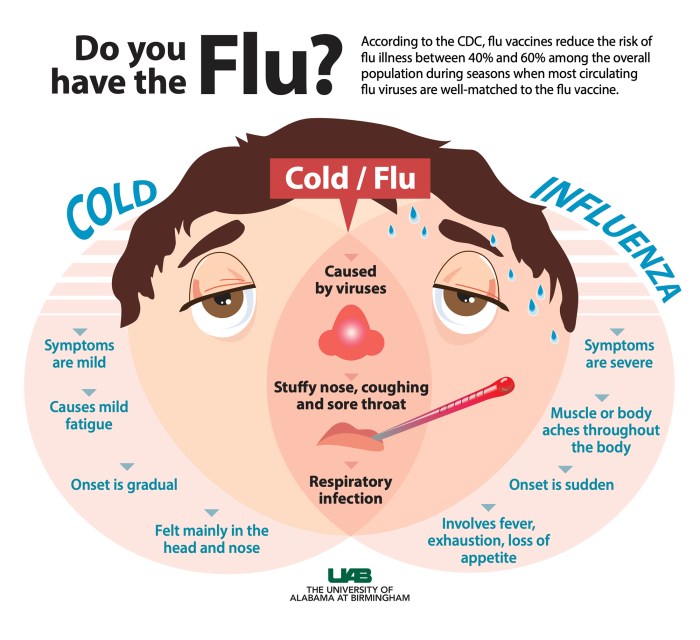
Mental health plays a crucial role in overall well-being, including immune function. When our mental health is compromised, it can weaken our immune system, making us more susceptible to illnesses like the flu and colds.
Benefits of Mindfulness and Relaxation Techniques
Practicing mindfulness and relaxation techniques can have a positive impact on preventing illnesses. These practices help reduce stress levels, which in turn can boost our immune resilience. Mindfulness techniques such as meditation, deep breathing exercises, and yoga can help calm the mind and body, promoting a healthier immune response.
- Engaging in mindfulness practices like meditation for a few minutes each day can help reduce stress hormones in the body, strengthening the immune system.
- Relaxation techniques such as progressive muscle relaxation or guided imagery can also lower stress levels and promote overall well-being.
- Regular exercise, such as yoga, can improve mental health by increasing serotonin levels in the brain, which can enhance immune function.
Strategies for Maintaining Good Mental Health
Maintaining good mental health is essential for supporting immune resilience and preventing illnesses like the flu and colds. Here are some strategies to help support your mental well-being:
- Stay connected with loved ones and friends to build a support system that can help you cope with stress.
- Practice self-care activities that bring you joy and relaxation, such as reading a book, taking a warm bath, or listening to music.
- Get regular exercise to release endorphins, which can improve mood and reduce stress levels.
- Seek professional help if you are struggling with your mental health, as therapy or counseling can provide valuable support and guidance.
Holistic Wellness
Holistic wellness focuses on the overall well-being of an individual, encompassing not just physical health but also mental and emotional health. In the context of flu and cold prevention, holistic approaches aim to strengthen the immune system through a combination of lifestyle practices and self-care strategies.
Examples of Holistic Practices
- Regular Exercise: Engaging in physical activity can boost immunity and reduce the risk of infections.
- Mindfulness Meditation: Practicing mindfulness can help manage stress, which is known to weaken the immune system.
- Healthy Eating: Consuming a balanced diet rich in vitamins and minerals can support immune function.
- Quality Sleep: Adequate rest is essential for immune health and overall well-being.
- Herbal Remedies: Some herbs and supplements are believed to enhance immunity and prevent illnesses.
Chronic Diseases
Chronic diseases can significantly impact an individual’s susceptibility to flu and colds. Conditions such as diabetes, heart disease, and respiratory illnesses can weaken the immune system, making it harder for the body to fight off infections.
Preventive Measures for Individuals with Chronic Conditions
- Avoid close contact with sick individuals to reduce the risk of exposure to viruses.
- Stay up to date with vaccinations, including the flu shot, to protect against common illnesses.
- Practice good hygiene by washing hands frequently and avoiding touching your face.
- Maintain a healthy lifestyle with regular exercise and a balanced diet to support overall immune function.
- Consult with healthcare providers regularly to manage chronic conditions effectively.
Insights on Managing Chronic Diseases for Immune Health
- Monitor and control chronic conditions through medication adherence and lifestyle changes.
- Engage in stress-reducing activities like meditation or yoga to promote overall well-being.
- Educate yourself about your specific chronic disease and work closely with healthcare professionals for optimal management.
- Seek support from family and friends to navigate the challenges of living with a chronic illness.
Immunity Boosters
When it comes to preventing flu and colds, boosting your immune system is crucial. Incorporating natural immunity boosters, considering the efficacy of supplements, and adopting healthy lifestyle habits can all contribute to enhancing your body’s defense mechanisms.
Natural Immunity Boosters
- Eating a variety of colorful fruits and vegetables rich in vitamins and antioxidants.
- Consuming probiotics like yogurt and kefir to support gut health.
- Including garlic, ginger, and turmeric in your diet for their anti-inflammatory properties.
- Drinking green tea for its immune-boosting catechins.
Supplements for Immune Function
- Vitamin C supplements may help reduce the duration and severity of colds.
- Zinc supplements can support immune function and help fight off infections.
- Echinacea supplements may help stimulate the immune system to prevent colds.
Healthy Lifestyle Habits for Immunity
- Getting an adequate amount of sleep each night to support immune function.
- Engaging in regular exercise to boost circulation and immune response.
- Managing stress through relaxation techniques like meditation and deep breathing.
- Staying hydrated by drinking plenty of water to flush out toxins and support immune health.
Helpful Answers: Preventive Care Measures For Flu And Cold Prevention
How does mental wellness impact flu and cold prevention?
Maintaining good mental health can boost immunity and reduce susceptibility to illnesses like the flu and cold.
What are some examples of physical activities that enhance immunity?
Activities like jogging, swimming, and yoga can help strengthen the immune system.
How important are hygiene practices in preventing the spread of illnesses?
Practicing good hygiene, such as regular handwashing, is crucial in preventing the transmission of flu and cold viruses.

More Stories
Benefits of holistic approaches to chronic disease management: Improving Health Holistically
Importance of hydration for a healthy immune system: Key to a Strong Immunity
Importance of regular screenings for chronic disease detection: Early detection for better health outcomes