The connection between holistic wellness and spiritual growth is a powerful one, revealing a path towards deeper fulfillment and inner peace. Holistic wellness, encompassing physical, mental, emotional, and spiritual well-being, recognizes the interconnectedness of these aspects. This approach emphasizes the importance of nurturing all dimensions of our being, acknowledging that neglecting one can negatively impact the others.
Spirituality, often misunderstood, plays a crucial role in holistic wellness. It goes beyond religion and involves seeking meaning and purpose in life. Spiritual practices, such as meditation, mindfulness, and connecting with nature, can foster inner peace, resilience, and a sense of belonging.
These practices can help us navigate life’s challenges, cultivate gratitude, and ultimately find meaning in our existence.
Understanding Holistic Wellness
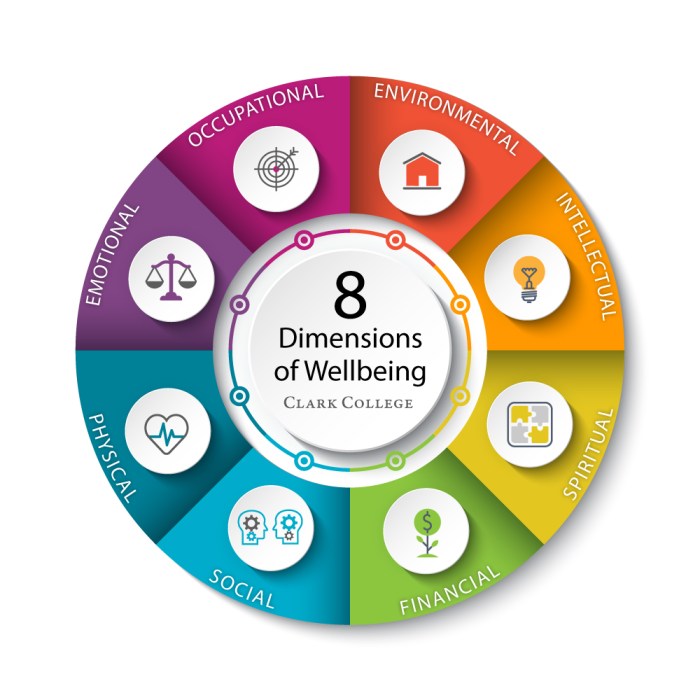
Holistic wellness emphasizes a comprehensive approach to well-being, considering the interconnectedness of physical, mental, emotional, and spiritual aspects. It recognizes that these aspects are not isolated but influence and impact each other, creating a harmonious balance for optimal well-being.
The Interconnectedness of Wellness Aspects
Holistic wellness recognizes that neglecting one aspect can have a ripple effect on the others. For instance, chronic stress can lead to physical health issues, such as weakened immunity, digestive problems, and cardiovascular problems. Conversely, physical health issues can impact mental and emotional well-being, leading to anxiety, depression, and low self-esteem.
- Physical Wellness:This aspect focuses on maintaining a healthy body through regular exercise, a balanced diet, sufficient sleep, and avoiding harmful substances.
- Mental Wellness:It emphasizes cognitive health, including clarity of thought, problem-solving skills, and emotional regulation. This aspect involves engaging in activities that stimulate the mind, such as reading, learning new skills, and practicing mindfulness.
- Emotional Wellness:This aspect focuses on understanding and managing emotions effectively, including expressing feelings appropriately, building healthy relationships, and developing emotional resilience.
- Spiritual Wellness:This aspect encompasses a sense of purpose, meaning, and connection to something greater than oneself. It involves exploring personal values, beliefs, and spirituality, and finding ways to connect with something that transcends the physical realm.
Examples of Interconnectedness
Here are some examples of how neglecting one aspect of wellness can impact the others:
- Neglecting Physical Wellness:If someone neglects their physical health by leading a sedentary lifestyle, consuming unhealthy foods, and not getting enough sleep, it can lead to weight gain, chronic fatigue, and increased risk of diseases. This can negatively impact their mental and emotional well-being, causing stress, anxiety, and low self-esteem.
- Neglecting Mental Wellness:If someone neglects their mental health by not addressing stress, anxiety, or depression, it can lead to poor decision-making, unhealthy coping mechanisms, and difficulty maintaining relationships. This can, in turn, affect their physical health, as stress can weaken the immune system and contribute to chronic diseases.
- Neglecting Emotional Wellness:If someone neglects their emotional health by suppressing their feelings, avoiding conflict, and not seeking support when needed, it can lead to emotional distress, relationship problems, and difficulty coping with life’s challenges. This can also impact their physical and mental health, leading to physical symptoms such as headaches, fatigue, and digestive issues.
- Neglecting Spiritual Wellness:If someone neglects their spiritual health by not exploring their values, beliefs, and sense of purpose, it can lead to a feeling of emptiness, lack of direction, and difficulty finding meaning in life. This can impact their mental, emotional, and physical well-being, as a lack of purpose can contribute to depression, anxiety, and unhealthy behaviors.
The Role of Spirituality in Holistic Wellness
Spirituality plays a crucial role in achieving holistic wellness by fostering a sense of inner peace, purpose, and connection to something larger than oneself. It goes beyond religious practices and encompasses a personal journey of seeking meaning and fulfillment in life.
The Connection Between Spirituality and Inner Peace
Spirituality often provides a framework for understanding and coping with life’s challenges, promoting emotional well-being and inner peace. By cultivating a sense of purpose and connection, individuals can find solace and resilience in the face of adversity.
- Meditation and Mindfulness: These practices help individuals become more aware of their thoughts and emotions, reducing stress and anxiety. By focusing on the present moment, they can cultivate a sense of calm and inner peace.
- Prayer and Reflection: Engaging in prayer or reflection allows individuals to connect with a higher power or their own inner wisdom, seeking guidance and solace. It can provide a sense of comfort and peace, especially during challenging times.
- Gratitude Practices: Cultivating gratitude helps shift focus from what is lacking to what is present, fostering a sense of appreciation and contentment. By acknowledging the good in life, individuals can experience greater inner peace and well-being.
The Role of Spirituality in Finding Purpose
Spirituality can provide a sense of purpose and direction in life, helping individuals align their actions with their values and beliefs. This sense of purpose can be a powerful motivator for personal growth and fulfillment.
- Connecting with Values: Spirituality often encourages individuals to explore their values and beliefs, aligning their actions with what truly matters to them. This can lead to a more meaningful and fulfilling life.
- Serving Others: Many spiritual traditions emphasize the importance of service to others. Engaging in acts of kindness and compassion can provide a sense of purpose and fulfillment, contributing to a more meaningful life.
- Living in Alignment with Beliefs: Spirituality can provide a framework for living in accordance with one’s beliefs and values. This alignment can create a sense of inner peace and purpose, guiding individuals toward a more fulfilling life.
Spiritual Practices and Their Benefits
Different spiritual practices offer unique benefits for well-being.
- Yoga: This practice combines physical postures with breathwork and meditation, promoting flexibility, strength, and mental clarity. It can reduce stress, improve sleep, and enhance overall well-being.
- Tai Chi: This gentle form of exercise involves slow, flowing movements and deep breathing, promoting relaxation, balance, and focus. It can reduce stress, improve cardiovascular health, and enhance flexibility.
- Mindfulness-Based Stress Reduction (MBSR): This program combines meditation, yoga, and other practices to cultivate mindfulness and reduce stress. It can improve emotional regulation, reduce anxiety and depression, and enhance overall well-being.
The Impact of Spiritual Growth on Resilience
Spiritual growth can foster resilience, helping individuals navigate challenges and setbacks with greater strength and adaptability.
- Finding Meaning in Adversity: Spirituality can provide a framework for finding meaning in difficult situations, helping individuals cope with challenges and setbacks with greater resilience.
- Developing a Growth Mindset: Spiritual practices often encourage a growth mindset, promoting self-reflection and a willingness to learn and grow from experiences, fostering resilience in the face of adversity.
- Connecting with a Larger Purpose: A sense of connection to something larger than oneself can provide a sense of purpose and meaning, even during challenging times, enhancing resilience and a sense of hope.
Physical Wellness and Spiritual Growth
The connection between physical wellness and spiritual growth is undeniable. Taking care of your physical body can significantly impact your mental and emotional well-being, creating a fertile ground for spiritual exploration and development.
The Impact of Physical Fitness on Spiritual Growth
Regular exercise, beyond its physical benefits, plays a crucial role in promoting mental clarity and emotional stability, both of which are essential for spiritual growth.
- Exercise releases endorphins, which have mood-boosting effects, reducing stress and anxiety, and promoting feelings of well-being. This positive emotional state allows for greater introspection and self-awareness, paving the way for spiritual exploration.
- Physical activity improves sleep quality, leading to better cognitive function and emotional regulation. A well-rested mind is more receptive to spiritual insights and practices.
- Exercise can help manage chronic conditions like depression and anxiety, which can hinder spiritual growth. By addressing these physical challenges, individuals can create a more conducive environment for spiritual development.
The Role of Healthy Eating in Spiritual Growth, The connection between holistic wellness and spiritual growth
A balanced diet provides the body with the nutrients it needs to function optimally, impacting both physical and mental health, which are interconnected with spiritual well-being.
- A diet rich in fruits, vegetables, and whole grains provides essential vitamins and minerals that support brain function and emotional stability. These nutrients are crucial for maintaining mental clarity and focus, allowing for deeper contemplation and spiritual practice.
- Eating a balanced diet can help regulate blood sugar levels, reducing mood swings and promoting emotional stability. This stable emotional state is essential for engaging in spiritual practices and experiencing inner peace.
- A healthy diet can improve energy levels, allowing individuals to engage in spiritual practices with greater enthusiasm and focus. It also reduces fatigue, which can hinder spiritual growth.
Preventive Care and Spiritual Growth
Regular medical checkups and preventive care measures can significantly impact physical and mental health, creating a foundation for spiritual growth.
- Early detection and treatment of health issues can prevent complications and maintain overall well-being, allowing individuals to focus on their spiritual journey without being burdened by physical ailments.
- Preventive care can reduce stress and anxiety related to health concerns, creating a more peaceful and balanced state of mind conducive to spiritual exploration.
- By taking care of their physical health, individuals can experience greater self-love and appreciation for their bodies, fostering a sense of gratitude and connection to the divine.
The Connection Between Physical Health and Mental Clarity
Physical health and mental clarity are deeply interconnected. When the body is healthy and functioning optimally, the mind is clearer and more receptive to spiritual insights.
- Regular exercise and a balanced diet improve blood flow to the brain, enhancing cognitive function and mental clarity. This mental sharpness allows for deeper introspection, meditation, and spiritual exploration.
- Physical health reduces stress and anxiety, which can cloud the mind and hinder spiritual growth. By addressing physical health concerns, individuals can experience greater mental clarity and a more receptive state for spiritual practices.
- A healthy body promotes a sense of well-being and self-confidence, which can boost mental clarity and encourage spiritual exploration. This positive self-image allows for greater self-acceptance and a more open mind for spiritual growth.
Examples of How Physical Wellness Enhances Spiritual Growth
- A person who regularly practices yoga or meditation may experience a greater sense of inner peace and connection to their spiritual side. The physical postures and breathwork involved in yoga can improve flexibility, balance, and body awareness, while meditation can quiet the mind and facilitate spiritual insights.
- Someone who has struggled with anxiety or depression may find that a balanced diet and regular exercise help manage their symptoms and improve their overall mood. This improved mental state can open doors to spiritual practices that they may not have been able to engage in before.
- A person who prioritizes preventive care and maintains a healthy lifestyle may experience a greater sense of vitality and purpose. This sense of well-being can fuel their spiritual journey and lead to deeper connections with their inner self and the divine.
Mental Wellness and Spiritual Growth
Mental wellness plays a crucial role in our spiritual journey. When our minds are calm and balanced, we can access a deeper level of awareness and connect with our inner selves. However, stress, anxiety, and depression can significantly impact our spiritual well-being, creating obstacles to our growth.
The Impact of Stress, Anxiety, and Depression on Spiritual Well-being
Stress, anxiety, and depression can cloud our judgment, distort our perceptions, and create a sense of disconnection from ourselves and the world around us. These mental health challenges can lead to:
- Negative thoughts and beliefs:Stress and anxiety can trigger negative thoughts and beliefs that undermine our sense of self-worth and purpose. These thoughts can create a sense of hopelessness and make it difficult to see the good in ourselves and the world.
- Emotional instability:Mental health challenges can lead to mood swings, irritability, and difficulty managing emotions. This emotional instability can make it difficult to cultivate inner peace and connect with our spiritual side.
- Lack of focus and concentration:Stress, anxiety, and depression can interfere with our ability to focus and concentrate, making it challenging to engage in spiritual practices such as meditation or prayer.
- Physical health problems:Chronic stress and anxiety can weaken our immune system, making us more susceptible to physical health problems. These physical challenges can further impact our mental and spiritual well-being.
Strategies for Managing Mental Health Challenges and Cultivating Inner Peace
Managing mental health challenges is essential for fostering spiritual growth. Here are some strategies:
- Seek professional help:If you are struggling with stress, anxiety, or depression, seeking professional help from a therapist or counselor is crucial. They can provide support, guidance, and evidence-based treatments to help you manage your symptoms.
- Practice self-care:Engaging in activities that promote your physical and mental well-being is essential. This includes getting enough sleep, eating a healthy diet, exercising regularly, and spending time in nature.
- Connect with loved ones:Building strong social connections can provide support and reduce feelings of loneliness and isolation. Spending time with loved ones, engaging in meaningful conversations, and sharing your experiences can help you feel more connected and supported.
- Engage in mindfulness practices:Mindfulness involves paying attention to the present moment without judgment. Practices like meditation, yoga, and deep breathing can help you cultivate mindfulness, reduce stress, and promote emotional regulation.
- Practice gratitude:Focusing on the good things in your life can shift your perspective and promote feelings of happiness and contentment. Keeping a gratitude journal or expressing gratitude to others can help you cultivate a more positive outlook.
The Role of Mindfulness, Meditation, and Gratitude Practices in Promoting Spiritual Growth
Mindfulness, meditation, and gratitude practices can significantly contribute to spiritual growth by:
- Increasing self-awareness:Mindfulness and meditation practices help us become more aware of our thoughts, feelings, and bodily sensations. This increased self-awareness allows us to understand ourselves better and identify patterns of behavior that may be hindering our spiritual growth.
- Reducing stress and anxiety:By calming the mind and focusing on the present moment, mindfulness and meditation practices can reduce stress and anxiety levels. This allows us to access a state of inner peace and tranquility, creating a more conducive environment for spiritual exploration.
- Cultivating compassion and empathy:Mindfulness and meditation can help us develop compassion and empathy for ourselves and others. By understanding our own experiences, we can better relate to the struggles of others and extend kindness and understanding.
- Deepening our connection to a higher power:Many people find that regular meditation and mindfulness practices help them connect with a higher power or a sense of something greater than themselves. This connection can provide a sense of purpose, meaning, and hope.
The Impact of Spiritual Growth on Overall Well-being
Spiritual growth, often characterized by a deepening connection to something greater than oneself, has a profound impact on overall well-being. It fosters a sense of purpose, resilience, and inner peace, contributing to a more fulfilling and meaningful life.
The Development of Compassion, Empathy, and Self-Awareness
Spiritual growth often cultivates a greater sense of compassion and empathy. As individuals explore their spiritual side, they may develop a deeper understanding of the interconnectedness of all beings. This realization can lead to a more compassionate and empathetic outlook on life, fostering a desire to help others and contribute to the greater good.
Spiritual practices, such as meditation and mindfulness, can also enhance self-awareness. By becoming more attuned to their inner thoughts and emotions, individuals gain a clearer understanding of their own motivations, beliefs, and values. This increased self-awareness can lead to greater self-acceptance, emotional regulation, and the ability to make choices that align with their core values.
The Role of Spiritual Growth in Overcoming Adversity and Finding Meaning in Life
Spiritual growth can provide individuals with a framework for navigating life’s challenges. When faced with adversity, a strong spiritual foundation can offer a sense of hope, resilience, and meaning. By connecting to something greater than themselves, individuals may find the strength to persevere through difficult times.Spiritual growth can also help individuals find meaning and purpose in life.
When individuals connect with a spiritual path, they often discover a sense of belonging and a deeper understanding of their place in the universe. This sense of purpose can provide direction and motivation, leading to a more fulfilling and meaningful life.
“The purpose of life, after all, is to live it, to taste experience to the utmost, to reach out eagerly and without fear for newer and richer experience.”
Eleanor Roosevelt
Real-Life Examples of Positive Transformations
Many individuals have experienced positive transformations through spiritual growth. For example, a person struggling with addiction may find solace and strength through connecting with a spiritual community. The support and guidance offered by the community, combined with the individual’s newfound spiritual practices, can help them overcome their addiction and build a healthier and more fulfilling life.Another example is someone who has experienced a traumatic event.
Through spiritual practices such as meditation or prayer, they may find a way to process their trauma, find peace, and move forward with their lives. Spiritual growth can have a profound impact on individuals’ lives, leading to greater compassion, empathy, self-awareness, and resilience.
It can provide a sense of purpose and meaning, helping individuals navigate life’s challenges and create a more fulfilling and meaningful life.
Integrating Holistic Wellness and Spiritual Growth
Holistic wellness and spiritual growth are interconnected, and integrating them can lead to a more fulfilling and balanced life. This integration involves incorporating spiritual practices into daily routines, developing a comprehensive wellness program, and utilizing resources to support this journey.
Incorporating Spiritual Practices into Daily Life
Incorporating spiritual practices into daily life can cultivate inner peace, enhance self-awareness, and foster a deeper connection with oneself and the universe. Here’s a plan to incorporate these practices:
- Meditation:Dedicate a few minutes each day to quiet the mind and connect with your inner self. Guided meditations, focusing on breath, or simply observing thoughts can be beneficial.
- Mindfulness:Practice being present in the moment, paying attention to your senses and emotions without judgment. This can be done during activities like walking, eating, or simply sitting.
- Gratitude:Cultivate a sense of appreciation for the good things in your life. Keep a gratitude journal, express thanks to others, or simply take time to reflect on blessings.
- Prayer or Contemplation:Engage in prayer or contemplative practices that resonate with your beliefs. This can involve connecting with a higher power, reflecting on spiritual texts, or engaging in silent contemplation.
- Nature Connection:Spend time in nature, appreciating its beauty and tranquility. This can foster a sense of awe and wonder, promoting spiritual growth.
A Holistic Wellness Program
A holistic wellness program addresses the physical, mental, emotional, and spiritual aspects of well-being. Here’s a plan:
- Physical Wellness:Engage in regular physical activity, prioritize healthy eating habits, and get adequate sleep. This supports physical health and provides energy for spiritual practices.
- Mental Wellness:Practice mindfulness, engage in activities that stimulate the mind, and seek professional help when needed. This fosters mental clarity and emotional stability.
- Emotional Wellness:Develop emotional intelligence, learn to manage stress effectively, and seek support from loved ones. This promotes emotional balance and resilience.
- Spiritual Wellness:Incorporate spiritual practices into daily life, explore your spiritual beliefs, and connect with a spiritual community. This cultivates a sense of purpose and meaning.
Resources and Tools
Several resources and tools can support the journey of holistic wellness and spiritual growth. Here are some examples:
- Books and Articles:Explore books and articles on holistic wellness, spiritual practices, and self-improvement.
- Online Resources:Utilize online platforms offering guided meditations, mindfulness exercises, and spiritual teachings.
- Apps:Download apps that support meditation, mindfulness, gratitude, and other spiritual practices.
- Support Groups:Join support groups or communities that share similar interests in holistic wellness and spiritual growth.
- Therapists and Coaches:Seek guidance from therapists or coaches specializing in holistic wellness and spiritual development.
Closure: The Connection Between Holistic Wellness And Spiritual Growth
Integrating holistic wellness and spiritual growth into our daily lives is a journey of self-discovery and transformation. By taking care of our physical, mental, emotional, and spiritual well-being, we can unlock our full potential and experience a more fulfilling life.
This journey requires commitment, self-reflection, and a willingness to embrace the interconnectedness of all aspects of our being. As we nurture our holistic wellness, we embark on a path towards spiritual growth, leading to greater compassion, self-awareness, and a deeper understanding of ourselves and our place in the world.
General Inquiries
What are some practical ways to incorporate spiritual practices into daily life?
Start with small steps, like taking a few minutes each day for meditation, practicing gratitude, or spending time in nature. Explore different spiritual practices and find what resonates with you. Remember, the key is consistency and finding what brings you a sense of peace and connection.
How can I overcome the challenges of integrating holistic wellness and spiritual growth?
Be patient and compassionate with yourself. It’s a journey, not a destination. Seek support from others, join a community, or consult with a professional if needed. Celebrate your progress, even the small ones, and remember that every step forward is a victory.


More Stories
Holistic Wellness Practices for Stress and Anxiety Reduction
Mental health benefits of meditation and mindfulness practices: A Holistic Approach
Benefits of drinking water for healthy eating: How hydration impacts overall wellness