Introduction to Balanced Diet Meal Plan
How to create a balanced diet meal plan – A balanced diet meal plan is a structured eating plan that includes a variety of foods in appropriate portions to ensure the body receives all the essential nutrients it needs for optimal health.
Having a balanced diet is crucial for maintaining overall health and well-being. It provides the necessary nutrients to support bodily functions, promote growth and development, and reduce the risk of chronic diseases.
Key Nutrients for a Balanced Diet
- Protein: Essential for building and repairing tissues, enzymes, and hormones.
- Carbohydrates: Main source of energy for the body, especially the brain and muscles.
- Fats: Important for energy, absorption of fat-soluble vitamins, and cell function.
- Vitamins: Play a crucial role in various bodily functions, such as immune system support and cell growth.
- Minerals: Essential for bone health, fluid balance, and nerve function.
- Fiber: Aids in digestion, helps maintain a healthy weight, and reduces the risk of chronic diseases.
Components of a Balanced Diet Meal Plan
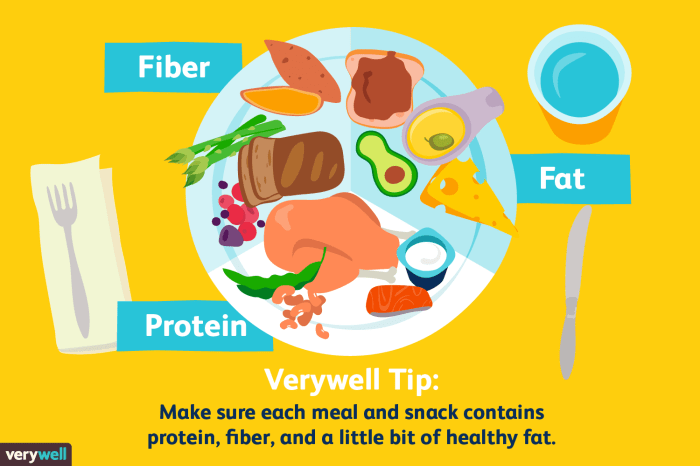
A balanced diet meal plan consists of various food groups that provide essential nutrients for overall health and well-being. It is important to include a variety of foods in appropriate portions to ensure a well-rounded and nutrient-rich diet.
Food Groups in a Balanced Diet
- Vegetables: Include a colorful array of vegetables like leafy greens, bell peppers, carrots, and tomatoes to ensure a diverse intake of vitamins, minerals, and fiber.
- Fruits: Incorporate a mix of fruits such as berries, citrus fruits, bananas, and apples to obtain different antioxidants, vitamins, and natural sugars.
- Proteins: Choose lean sources of protein like poultry, fish, tofu, legumes, and nuts to support muscle growth and repair.
- Whole grains: Opt for whole grains like quinoa, brown rice, oats, and whole wheat bread for sustained energy and fiber.
- Dairy or alternatives: Include dairy products or fortified plant-based alternatives like almond milk or soy yogurt for calcium and vitamin D.
- Healthy fats: Incorporate sources of healthy fats such as avocados, olive oil, nuts, and seeds to support brain function and heart health.
Portion Control and Serving Sizes
It is essential to practice portion control to maintain a balanced diet. Use measuring cups, scales, or visual cues to ensure appropriate serving sizes for each food group. For example, a serving of protein is typically the size of your palm, while a serving of grains should be about the size of your fist.
Eating the Rainbow for Diverse Nutrient Intake
“Eating the rainbow” refers to consuming a variety of colorful fruits and vegetables to ensure a diverse intake of nutrients. Different colors indicate various phytonutrients, vitamins, and minerals that are beneficial for health. For instance, red fruits like strawberries contain antioxidants, while green vegetables like spinach provide iron and calcium.
Creating a Balanced Diet Meal Plan
Creating a balanced diet meal plan involves careful planning and consideration of various factors to ensure you are meeting your nutritional needs. Here are some tips and strategies to help you create a balanced meal plan:
Tips on Meal Prepping for a Balanced Diet
Meal prepping is a great way to save time and ensure you have healthy meals ready to go. Here are some tips to help you meal prep for a balanced diet:
- Plan your meals in advance: Take some time at the beginning of the week to plan out your meals and snacks.
- Cook in bulk: Prepare larger batches of food that can be portioned out and stored for later meals.
- Include a variety of foods: Make sure your meals include a mix of fruits, vegetables, whole grains, lean proteins, and healthy fats.
- Use portion control: Measure out your servings to avoid overeating and ensure you are getting the right balance of nutrients.
Suggest Tools or Resources for Planning Meals
Utilizing tools and resources can make meal planning easier and more efficient. Here are some tools and resources you can use to help plan your meals:
- Meal planning apps: Apps like MyFitnessPal, Mealime, or Plan to Eat can help you plan and track your meals.
- Recipe websites: Websites like EatingWell, Skinnytaste, or BBC Good Food offer healthy recipes and meal ideas.
- Cookbooks: Invest in cookbooks that focus on balanced meals and provide inspiration for new dishes.
- Meal prep containers: Having the right containers on hand can make meal prepping and storing food easier.
Strategies for Balancing Macronutrients in a Meal Plan
Balancing macronutrients (carbohydrates, proteins, and fats) in your meal plan is essential for overall health and energy levels. Here are some strategies to help you achieve a balanced macronutrient intake:
- Distribute macros throughout the day: Aim to include a source of protein, healthy fat, and complex carbohydrates in each meal.
- Focus on whole foods: Choose nutrient-dense whole foods like fruits, vegetables, lean proteins, and whole grains for optimal macronutrient balance.
- Track your intake: Use a food diary or app to track your macronutrient intake and adjust as needed to meet your goals.
- Consult a nutritionist: If you’re struggling to balance your macronutrients, consider seeking advice from a registered dietitian or nutritionist.
Importance of Mental Wellness in Healthy Eating
Eating a balanced diet not only impacts our physical health but also plays a crucial role in our mental wellness. The connection between food choices and mental well-being is significant, as the nutrients we consume can directly affect our mood, energy levels, and overall mental health.
Impact of Stress on Eating Habits
Stress can have a profound impact on our eating habits, leading to either overeating or undereating. During times of stress, some individuals may turn to comfort foods high in sugar and fat as a coping mechanism, while others may lose their appetite altogether. This can disrupt the balance of nutrients our bodies need, ultimately affecting our mental well-being.
- Stress can trigger the release of cortisol, a hormone that can increase cravings for unhealthy foods.
- Emotional eating during stressful periods can lead to weight gain and other health issues.
- Chronic stress can contribute to conditions like depression and anxiety, further impacting mental wellness.
Tips for Mindful Eating for Better Mental Wellness
Practicing mindful eating can help improve our relationship with food and support our mental wellness. By being present and aware of our eating habits, we can make healthier choices and cultivate a positive mindset towards food.
- Avoid distractions while eating, such as watching TV or using electronic devices, to focus on the sensory experience of eating.
- Listen to your body’s hunger and fullness cues to eat when hungry and stop when satisfied.
- Savor each bite by paying attention to flavors, textures, and aromas to enhance the enjoyment of your meals.
- Practice gratitude for the food on your plate and the nourishment it provides for your body and mind.
- Acknowledge any emotions or thoughts that arise during meals without judgment, allowing yourself to eat in a balanced and mindful manner.
Role of Physical Fitness in a Balanced Diet: How To Create A Balanced Diet Meal Plan
Physical fitness plays a crucial role in complementing a balanced diet to promote overall health and well-being. By incorporating regular exercise into your routine, you can enhance the benefits of healthy eating and improve your quality of life.
Importance of Exercise in a Balanced Diet
Regular physical activity not only helps to maintain a healthy weight but also boosts metabolism, strengthens muscles, and improves cardiovascular health. Exercise can also reduce the risk of chronic diseases such as heart disease, diabetes, and certain cancers. By combining exercise with a balanced diet, you can optimize your health and well-being.
Examples of Exercises that Complement a Healthy Eating Plan
- Cardiovascular exercises like running, cycling, or swimming help to burn calories and improve heart health.
- Strength training exercises such as weightlifting or bodyweight exercises help to build muscle mass and increase metabolism.
- Flexibility and balance exercises like yoga or Pilates improve range of motion and reduce the risk of injuries.
How Physical Activity Supports Overall Well-being
Regular physical activity releases endorphins, which are known as “feel-good” hormones that can reduce stress, anxiety, and depression. Exercise also improves sleep quality, boosts energy levels, and enhances cognitive function. By staying active and combining exercise with a balanced diet, you can achieve optimal physical and mental well-being.
Preventive Care and Balanced Diet
Maintaining a balanced diet is not only essential for overall health but also plays a crucial role in preventive care. By incorporating the right mix of nutrients into your meals, you can significantly reduce the risk of developing various diseases and health conditions.
Benefits of Balanced Diet for Preventive Health Care
- Reduced Risk of Chronic Diseases: A balanced diet rich in fruits, vegetables, whole grains, lean proteins, and healthy fats can help lower the risk of chronic diseases such as heart disease, diabetes, and certain types of cancer.
- Improved Immune Function: Nutrient-dense foods provide essential vitamins and minerals that support a healthy immune system, helping the body fight off infections and illnesses.
- Maintaining a Healthy Weight: A balanced diet can help regulate weight, reducing the risk of obesity and related health issues like high blood pressure and cholesterol levels.
Impact of Lifestyle Choices on Disease Prevention
- Regular Exercise: Incorporating physical activity into your routine can complement a balanced diet by promoting overall health and reducing the risk of obesity and chronic diseases.
- Adequate Sleep: Getting enough rest is crucial for overall well-being and can help prevent conditions like heart disease, obesity, and mental health disorders.
- Stress Management: High stress levels can impact your health negatively, so practicing stress-reducing techniques like meditation, yoga, or mindfulness can contribute to disease prevention.
Preventive Care Measures to Complement a Balanced Diet
- Regular Health Check-ups: Visiting your healthcare provider for routine screenings and check-ups can help detect any potential health issues early on, allowing for timely intervention.
- Staying Hydrated: Drinking an adequate amount of water daily is essential for maintaining overall health and preventing dehydration-related issues.
- Limiting Alcohol and Tobacco Use: Avoiding or moderating alcohol consumption and quitting smoking can significantly reduce the risk of developing various diseases.
Immunity Boosters in a Balanced Diet
Immunity is crucial for overall health and well-being. Including foods in your diet that can boost your immune system is essential for staying healthy and fighting off illnesses. Let’s explore some immunity-boosting ingredients and their role in maintaining a strong immune system.
Top Immunity-Boosting Foods, How to create a balanced diet meal plan
- Citrus Fruits: Citrus fruits like oranges, lemons, and grapefruits are rich in vitamin C, which is known to enhance the production of white blood cells and boost immunity.
- Garlic: Garlic contains compounds that have been shown to boost the immune system by stimulating certain immune cells and enhancing their activity.
- Yogurt: Yogurt is a probiotic-rich food that supports a healthy gut microbiome, which plays a crucial role in immune function.
- Spinach: Spinach is packed with antioxidants and beta carotene, which may increase the infection-fighting ability of our immune systems.
Vitamins and Minerals for Immune Health
Vitamins and minerals play a vital role in maintaining a strong immune system. Some key nutrients that support immunity include:
- Vitamin C: Helps stimulate the production of white blood cells and antibodies.
- Vitamin D: Supports immune cell function and helps regulate immune responses.
- Zinc: Essential for the development and function of immune cells.
Immunity-Boosting Meal Ideas
Here are some meal ideas incorporating immune-boosting ingredients:
| Breakfast | Lunch | Dinner |
|---|---|---|
| Smoothie bowl with berries and spinach | Grilled chicken salad with citrus dressing | Salmon with garlic and lemon served with steamed broccoli |
Holistic Wellness and Balanced Diet
In the context of a balanced diet, holistic wellness refers to the interconnectedness of mental, emotional, and physical health. It emphasizes the importance of nourishing not only the body but also the mind and soul through food choices and lifestyle habits.
Tips for Achieving Holistic Wellness through Food Choices
- Include a variety of nutrient-dense foods in your diet, such as fruits, vegetables, whole grains, lean proteins, and healthy fats.
- Stay hydrated by drinking an adequate amount of water throughout the day to support overall well-being.
- Avoid processed foods high in sugar, unhealthy fats, and additives, as they can negatively impact both physical and mental health.
- Practice mindful eating by savoring each bite, chewing slowly, and paying attention to hunger and fullness cues.
- Incorporate foods rich in antioxidants, vitamins, and minerals to support immune function and protect against chronic diseases.
Managing Chronic Diseases with a Balanced Diet
A balanced diet plays a crucial role in supporting the management of chronic conditions. By incorporating nutrient-dense foods and making specific dietary modifications, individuals can better control their health outcomes and improve their quality of life.
Dietary Modifications for Common Chronic Diseases
- High Blood Pressure: Limiting sodium intake, increasing potassium-rich foods, and focusing on whole grains and lean proteins can help manage hypertension.
- Diabetes: Monitoring carbohydrate intake, choosing complex carbs over simple sugars, and including more fiber-rich foods can help stabilize blood sugar levels.
- Heart Disease: Emphasizing heart-healthy fats, such as those found in avocados and nuts, reducing saturated fats, and increasing omega-3 fatty acids can support heart health.
- Obesity: Balancing calorie intake with physical activity, incorporating more fruits and vegetables, and avoiding processed foods can aid in weight management.
Success Stories in Disease Management through Diet
“After switching to a plant-based diet and increasing my physical activity, my cholesterol levels significantly improved, and I was able to reduce my medication dosage.”
“By following a Mediterranean-style diet rich in olive oil, fish, and whole grains, I was able to better control my symptoms of rheumatoid arthritis and reduce inflammation in my joints.”
Regular Exercise and Mental Health
Regular exercise plays a crucial role in maintaining good mental health along with a balanced diet. Physical activity has been proven to have numerous benefits for mental well-being, including improving mood, reducing stress, and boosting overall cognitive function.
Improving Mood and Reducing Stress
Regular physical activity releases endorphins, also known as “feel-good” hormones, which can help elevate mood and reduce feelings of anxiety and depression. Exercise acts as a natural stress-reliever by lowering stress hormones like cortisol and increasing the production of neurotransmitters that promote a sense of well-being.
- Engaging in activities like brisk walking, running, or yoga can help release pent-up tension and improve overall mental clarity.
- Exercise can also enhance sleep quality, which is essential for optimal mental health and cognitive function.
- Incorporating regular physical activity into your routine can lead to a more positive outlook on life and better emotional resilience.
Tips for Incorporating Exercise into Daily Routines
To reap the mental health benefits of exercise, it’s important to find activities that you enjoy and can easily integrate into your daily schedule. Here are some tips for incorporating exercise into your routine for better mental well-being:
- Start with small goals and gradually increase the duration and intensity of your workouts.
- Choose activities that you find enjoyable, whether it’s dancing, cycling, swimming, or practicing martial arts.
- Find a workout buddy or join group fitness classes to stay motivated and accountable.
- Make physical activity a priority by scheduling it into your daily routine, just like you would with any other important task.
- Take advantage of opportunities to be active throughout the day, such as taking the stairs instead of the elevator or going for a walk during your lunch break.
Essential Questionnaire
How can I ensure my meal plan is balanced?
Include a variety of food groups, watch portion sizes, and focus on nutrient-dense foods.
Is meal prepping essential for a balanced diet meal plan?
Meal prepping can help you stay on track with your nutrition goals and avoid unhealthy choices.
What are some tools for planning balanced meals?
You can use apps, websites, or simple meal planning templates to organize your meals.
How important is exercise in a balanced diet meal plan?
Exercise complements a healthy diet by promoting overall well-being and enhancing the benefits of nutritious eating.

More Stories
Benefits of holistic approaches to chronic disease management: Improving Health Holistically
Importance of hydration for a healthy immune system: Key to a Strong Immunity
Importance of regular screenings for chronic disease detection: Early detection for better health outcomes