Importance of Regular Screenings for Chronic Disease Detection
Regular screenings play a vital role in the early detection of chronic diseases, allowing for timely intervention and management. By undergoing routine screenings, individuals can identify potential health issues before they progress to advanced stages, leading to better treatment outcomes and improved overall health.
Examples of Common Chronic Diseases Detected Through Regular Screenings:
- High blood pressure: Regular blood pressure checks can help diagnose hypertension early on, reducing the risk of heart disease and stroke.
- Diabetes: Screening for blood sugar levels can detect diabetes in its early stages, enabling lifestyle modifications and medication management.
- Colon cancer: Routine colonoscopies can detect precancerous polyps or early-stage cancer, increasing the chances of successful treatment.
Impact of Early Detection on Treatment Outcomes and Overall Health:
Early detection of chronic diseases through regular screenings allows for prompt medical intervention, which can significantly improve treatment outcomes. By identifying health issues at an early stage, individuals have a better chance of managing their condition effectively, preventing complications, and maintaining a higher quality of life. Regular screenings also help in reducing healthcare costs associated with advanced disease management and hospitalizations.
Mental Wellness
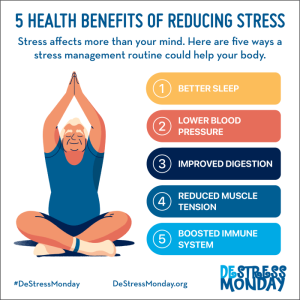
Regular screenings for chronic diseases play a crucial role in maintaining mental wellness. Detecting chronic conditions early can reduce the risk of complications, which in turn can alleviate stress and anxiety related to health concerns. By staying on top of screenings, individuals can have peace of mind knowing that they are taking proactive steps to manage their health.
Connection between Chronic Disease Detection and Mental Health
Regular screenings not only help in the early detection of chronic diseases but also contribute to mental health by promoting a sense of control and empowerment. When individuals are aware of their health status through screenings, they are more likely to make positive lifestyle changes and adhere to treatment plans, leading to improved overall well-being. Additionally, addressing chronic conditions promptly can prevent the development of mental health issues such as depression and anxiety that may arise from untreated or poorly managed illnesses.
Importance of Addressing Mental Wellness
Mental wellness is a vital component of holistic healthcare as it encompasses emotional, psychological, and social well-being. Neglecting mental health can have a detrimental impact on physical health and vice versa. Therefore, integrating mental wellness into regular screenings for chronic disease detection ensures a comprehensive approach to healthcare that considers the interconnectedness of mind and body. By prioritizing mental wellness, individuals can enhance their quality of life and achieve better health outcomes in the long run.
Physical Fitness
Regular screenings play a crucial role in motivating individuals to maintain physical fitness as they provide a snapshot of one’s current health status. Knowing the risks and potential health issues can serve as a wake-up call and drive individuals to prioritize their physical well-being.
The Role of Physical Activity in Preventing Chronic Diseases
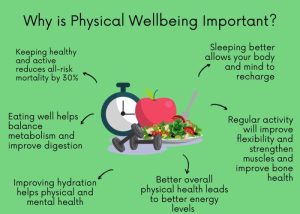
Physical activity is key in preventing chronic diseases such as heart disease, diabetes, and obesity. Regular exercise helps to maintain a healthy weight, reduce inflammation, improve cardiovascular health, and boost overall immunity. By incorporating physical activity into daily routines, individuals can significantly reduce their risk of developing chronic conditions.
- Engage in aerobic exercises such as brisk walking, jogging, swimming, or cycling for at least 150 minutes per week.
- Incorporate strength training exercises to build muscle mass and improve metabolism.
- Practice flexibility and balance exercises to enhance mobility and reduce the risk of falls, especially in older adults.
- Find activities that you enjoy to make exercise a fun and sustainable part of your lifestyle.
Healthy Eating
Importance of regular screenings for chronic disease detection – Regular screenings play a vital role in detecting chronic diseases early on, but maintaining a balanced diet is equally important in preventing and managing these conditions.
Impact of Dietary Choices on Chronic Disease Development
Our dietary choices have a significant impact on our overall health and can either increase or decrease the risk of developing chronic diseases. For example, a diet high in processed foods, sugar, and unhealthy fats can contribute to conditions like obesity, type 2 diabetes, and heart disease. On the other hand, a diet rich in fruits, vegetables, whole grains, and lean proteins can help lower the risk of these diseases and promote overall well-being.
Importance of Nutrition in Preventing and Managing Chronic Conditions
Nutrition plays a crucial role in both preventing and managing chronic conditions. For individuals with conditions like diabetes, hypertension, or high cholesterol, a healthy diet can help control blood sugar levels, blood pressure, and cholesterol levels. Additionally, certain nutrients like omega-3 fatty acids, antioxidants, and fiber can help reduce inflammation, improve heart health, and support overall wellness.
Preventive Care
Regular screenings play a crucial role in preventive care by allowing healthcare providers to detect any signs of chronic diseases early on. This proactive approach helps in preventing the progression of diseases and managing them effectively.
Benefits of Preventive Measures in Reducing Healthcare Costs
Regular screenings not only help in early detection but also lead to better management of chronic conditions, ultimately reducing the need for costly treatments and hospitalizations. By addressing health issues in their early stages, individuals can avoid more severe complications that may require extensive medical interventions.
- Preventive care through regular screenings can lead to overall cost savings in the healthcare system by reducing the burden of advanced disease management.
- Early detection allows for timely interventions and lifestyle modifications, which can help in preventing the development of chronic conditions.
- Encouraging individuals to prioritize preventive care can lead to a healthier population, reducing the strain on healthcare resources and improving overall quality of life.
Strategies for Promoting Preventive Care through Regular Screenings
Regular screenings can be promoted through various strategies aimed at raising awareness and encouraging individuals to take charge of their health proactively.
- Educational campaigns highlighting the importance of regular screenings and early detection of chronic diseases.
- Integration of preventive care services into primary healthcare settings for easy access to screenings.
- Incentivizing individuals to undergo regular screenings through insurance coverage or workplace wellness programs.
- Collaboration with community organizations and local health departments to increase outreach and access to screening services.
- Promotion of a culture of preventive healthcare through public health initiatives and policy advocacy.
Balanced Diet
Maintaining a balanced diet is essential for overall health and well-being. Regular screenings play a crucial role in helping individuals achieve and sustain a balanced diet by identifying any nutritional deficiencies or imbalances early on.
Role of Nutrition in Preventing Chronic Diseases
Nutrition plays a vital role in preventing chronic diseases such as heart disease, diabetes, and obesity. A balanced diet rich in fruits, vegetables, whole grains, lean proteins, and healthy fats can help reduce the risk of developing these conditions. Adequate intake of vitamins, minerals, and antioxidants through food sources can strengthen the immune system and protect against various illnesses.
- Consuming a variety of colorful fruits and vegetables provides essential vitamins, minerals, and antioxidants that support immune function and reduce inflammation in the body.
- Including whole grains in the diet can help regulate blood sugar levels, improve digestive health, and reduce the risk of heart disease.
- Choosing lean proteins such as poultry, fish, beans, and nuts can help build and repair tissues, maintain muscle mass, and support overall body functions.
- Incorporating healthy fats from sources like avocado, olive oil, and nuts can help improve cholesterol levels, brain function, and cardiovascular health.
Benefits of a Balanced Diet
A balanced diet not only supports physical health but also enhances mental well-being. By providing the necessary nutrients for optimal brain function, a balanced diet can improve mood, cognitive function, and overall mental clarity. Additionally, maintaining a balanced diet can boost energy levels, promote healthy weight management, and reduce the risk of chronic diseases.
- Improved energy levels and productivity throughout the day.
- Enhanced mood and mental well-being due to adequate nutrient intake.
- Healthy weight management and reduced risk of obesity-related conditions.
- Stronger immune system and better resilience against illnesses.
Regular Exercise
Regular exercise plays a crucial role in maintaining overall health and well-being. When combined with regular screenings for chronic disease detection, exercise can significantly reduce the risk of developing various chronic conditions. It is essential to understand how exercise impacts our health and how to incorporate it into our daily routine to complement screenings effectively.
Impact of Exercise on Chronic Disease Risk, Importance of regular screenings for chronic disease detection
Regular physical activity has been shown to reduce the risk of developing chronic diseases such as heart disease, diabetes, and certain types of cancer. Exercise helps improve cardiovascular health, regulate blood sugar levels, and boost the immune system. By staying active, individuals can lower their chances of developing these conditions and improve their overall quality of life.
- Engaging in aerobic exercises like running, cycling, or swimming can improve heart health and reduce the risk of cardiovascular diseases.
- Strength training exercises increase muscle mass and bone density, reducing the risk of osteoporosis and fractures.
- Regular exercise can help maintain a healthy weight, which is essential in preventing obesity-related conditions like diabetes and hypertension.
Remember, consistency is key when it comes to exercise. Aim for at least 150 minutes of moderate-intensity exercise per week, spread out over several days.
Creating an Exercise Routine
To develop an exercise routine that complements regular screenings, consider the following tips:
- Consult with a healthcare provider or fitness professional to determine the most suitable type and intensity of exercise based on your current health status.
- Set realistic goals and create a balanced workout plan that includes cardiovascular exercise, strength training, flexibility, and balance exercises.
- Find activities that you enjoy and mix up your routine to prevent boredom and reduce the risk of overuse injuries.
By incorporating regular exercise into your lifestyle and combining it with regular screenings, you can proactively manage your health and reduce the likelihood of developing chronic diseases in the future.
Mental Health
Regular screenings for chronic diseases play a crucial role not only in physical health but also in mental well-being. Detecting chronic diseases early can have a positive impact on mental health by reducing anxiety, stress, and uncertainty related to the disease’s progression.
Relationship between Chronic Disease Detection and Mental Health
Regular screenings for chronic diseases can help individuals feel more in control of their health, leading to reduced anxiety and stress levels. Knowing their health status can also empower individuals to take proactive steps towards managing their condition, which can contribute to better mental well-being.
- Early detection of chronic diseases can prevent complications that may cause emotional distress and impact mental health negatively.
- Individuals who are aware of their health status through regular screenings are more likely to adopt healthier lifestyle habits, which can improve their overall well-being, including mental health.
- Regular screenings can also provide peace of mind and reduce the fear of the unknown, allowing individuals to focus on maintaining their mental wellness.
Holistic Wellness
Regular screenings play a crucial role in promoting holistic wellness by addressing both physical and mental aspects of health. By detecting chronic diseases early on, individuals can receive timely treatment and prevent further complications, contributing to overall well-being.
Interconnectedness of Physical and Mental Health
Regular screenings help establish a connection between physical and mental health, highlighting the importance of addressing both aspects for holistic well-being. Mental health conditions can impact physical health and vice versa, emphasizing the need for a comprehensive approach to healthcare.
- Physical health screenings can identify underlying conditions that may affect mental well-being, such as cardiovascular issues impacting mood and cognitive function.
- Mental health screenings can uncover psychological distress that may manifest in physical symptoms, underscoring the mind-body connection.
- Addressing both physical and mental health through regular screenings promotes a balanced approach to wellness, enhancing overall quality of life.
Importance of Addressing All Aspects of Wellness
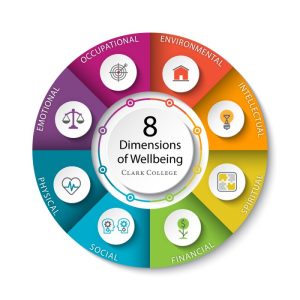
Comprehensive healthcare involves addressing all aspects of wellness, including physical, mental, emotional, and social well-being. Regular screenings serve as a proactive measure to evaluate and monitor various facets of health, ensuring a holistic approach to wellness.
By prioritizing holistic wellness through regular screenings, individuals can take proactive steps towards maintaining a healthy and balanced lifestyle.
Chronic Diseases
Chronic diseases are long-lasting conditions that often progress over time and require ongoing management. These diseases can significantly impact a person’s quality of life and overall health if not properly monitored and treated.
Overview of Common Chronic Diseases
- Heart Disease: Including conditions like hypertension, coronary artery disease, and heart failure.
- Diabetes: Both type 1 and type 2 diabetes can lead to serious complications if not managed effectively.
- Cancer: Various forms of cancer, such as lung, breast, and colon cancer, require early detection for better treatment outcomes.
- Chronic Respiratory Diseases: Conditions like asthma, chronic obstructive pulmonary disease (COPD), and bronchitis affect breathing and lung function.
- Stroke: A sudden interruption in blood flow to the brain can cause long-term disability and other complications.
Prevalence of Chronic Diseases
Chronic diseases are increasingly common in today’s society due to factors like sedentary lifestyles, poor dietary choices, and an aging population. According to the World Health Organization, chronic diseases account for approximately 60% of all deaths worldwide. These conditions place a significant burden on healthcare systems and individuals alike.
Importance of Early Detection and Management
Early detection of chronic diseases through regular screenings is crucial for effective management and improved outcomes. By identifying these conditions in their early stages, healthcare providers can implement interventions to slow disease progression, reduce complications, and enhance the quality of life for patients. Regular screenings can also help individuals make informed decisions about their health and adopt preventive measures to reduce their risk of developing chronic diseases.
Immunity Boosters

Regular screenings play a crucial role in identifying areas for improving immunity. By detecting any underlying health issues early on, individuals can take necessary steps to boost their immune system and prevent chronic diseases.
Role of Immunity Boosters in Preventing Chronic Diseases
Immunity boosters help strengthen the body’s defense mechanisms, making it more resilient against various illnesses, including chronic diseases. By incorporating immune-boosting foods and supplements into their daily routine, individuals can reduce their risk of developing long-term health conditions.
- Include foods rich in vitamin C, such as oranges, strawberries, and bell peppers, to support immune function.
- Get an adequate amount of sleep to allow the body to repair and regenerate cells, crucial for a strong immune system.
- Regular physical activity can also boost immunity by improving circulation and reducing inflammation in the body.
- Herbal remedies like echinacea and elderberry have been shown to enhance immune response and reduce the severity of infections.
Detailed FAQs
How often should I undergo regular screenings for chronic disease detection?
It is recommended to consult with your healthcare provider to determine the frequency based on your age, medical history, and risk factors.
Can regular screenings detect all types of chronic diseases?
While regular screenings can detect many chronic diseases, some conditions may require specific tests beyond routine screenings.
What are the benefits of early detection through regular screenings?
Early detection can lead to timely treatment, better management of chronic conditions, and improved overall health outcomes.

More Stories
Benefits of holistic approaches to chronic disease management: Improving Health Holistically
Importance of hydration for a healthy immune system: Key to a Strong Immunity
How to prevent chronic diseases through lifestyle changes: A guide to holistic health