Importance of Hydration for a Healthy Immune System
Importance of hydration for a healthy immune system – Hydration plays a crucial role in maintaining a healthy immune system. Proper water intake is essential for optimal immune function, as dehydration can weaken the body’s defense against illnesses and infections.
How Hydration Impacts the Immune System Function
Water is vital for the production of lymph, a fluid that carries white blood cells and other immune system cells throughout the body. Adequate hydration ensures that these immune cells can travel efficiently and effectively to combat pathogens and infections.
Relationship Between Water Intake and Immune Response
- Drinking enough water helps to flush out toxins and waste products from the body, reducing the burden on the immune system.
- Hydration supports the mucous membranes in the respiratory and digestive tracts, which act as a physical barrier against pathogens.
- Proper hydration is essential for the production of antibodies and cytokines, key components of the immune response.
Role of Hydration in Preventing Illnesses and Infections
- Staying hydrated can help prevent common illnesses like colds and flu by maintaining the body’s natural defenses.
- Dehydration can impair the function of immune cells, making the body more susceptible to infections.
Examples of How Staying Hydrated Can Boost Immunity
- Increasing water intake during flu season can help support the immune system’s ability to fight off viruses.
- Athletes who stay well-hydrated are less likely to experience immune suppression after intense workouts.
- Hydrating with electrolyte-rich fluids can replenish essential minerals lost during illness, aiding in a speedier recovery.
Mental Wellness
Maintaining proper hydration is not only crucial for physical health but also plays a significant role in mental wellness. Dehydration can have a profound impact on cognitive function, mood, and overall emotional well-being.
Connection between Hydration and Mental Well-being
- Our brain is made up of about 73% water, and dehydration can lead to cognitive impairment, difficulty focusing, and decreased alertness.
- Studies have shown that even mild dehydration can affect mood and lead to increased feelings of anxiety and irritability.
Effects of Dehydration on Cognitive Function and Mood
- Dehydration can impair short-term memory, decision-making abilities, and overall cognitive performance.
- It can also contribute to feelings of fatigue, lethargy, and a decrease in motivation.
Tips for Staying Hydrated to Support Mental Health
- Carry a reusable water bottle with you throughout the day to remind yourself to drink water regularly.
- Set reminders on your phone or computer to take water breaks and hydrate yourself at regular intervals.
- Incorporate hydrating foods such as fruits and vegetables with high water content into your diet.
- Avoid excessive consumption of caffeinated and alcoholic beverages, as they can contribute to dehydration.
Importance of Water Intake for Emotional Wellness
- Proper hydration is essential for regulating mood, reducing stress, and promoting a sense of well-being.
- Drinking an adequate amount of water can help prevent mood swings, anxiety, and feelings of depression.
Physical Fitness

The significance of hydration in physical performance cannot be emphasized enough. Proper hydration is essential for athletes and fitness enthusiasts to perform at their best and achieve their goals.
Impact on Athletic Abilities and Endurance
Dehydration can have a detrimental effect on athletic abilities and endurance. When the body is not properly hydrated, it can lead to decreased stamina, muscle cramps, and fatigue. This can significantly impact an individual’s performance during physical activities.
Role of Water in Muscle Function and Recovery
Water plays a crucial role in muscle function and recovery. It helps transport nutrients to the muscles, regulates body temperature, and removes waste products from the body. Adequate hydration is key to maintaining optimal muscle function and speeding up the recovery process after intense workouts.
Benefits of Proper Hydration in Fitness Goals
Proper hydration aids in achieving fitness goals by improving overall performance, increasing endurance, and reducing the risk of injuries. When the body is well-hydrated, it can function more efficiently, allowing individuals to push themselves harder during workouts and recover faster afterwards. Staying hydrated is essential for reaching peak physical fitness and maximizing workout results.
Healthy Eating: Importance Of Hydration For A Healthy Immune System
Maintaining proper hydration is essential for a healthy diet as it complements the nutrients we get from the foods we eat. Water plays a crucial role in various bodily functions, including digestion and nutrient absorption.
Importance of Water in Digestion and Nutrient Absorption
Water aids in breaking down food particles and helps in the absorption of nutrients in the digestive system. It also helps in the smooth movement of food through the digestive tract, preventing issues like constipation.
- Start your day with a glass of water to kickstart your metabolism and aid in digestion.
- Drink water before meals to help with the digestion process.
- Stay hydrated throughout the day to ensure optimal nutrient absorption.
Tips for Incorporating Hydrating Foods into Meals
Including hydrating foods in your diet is a great way to increase your overall fluid intake. Fruits and vegetables with high water content can help keep you hydrated and nourished.
Some hydrating foods to include are cucumbers, watermelon, oranges, and celery.
- Add fruits like berries or citrus fruits to your breakfast or snacks.
- Incorporate salads with lots of veggies as a side dish for lunch or dinner.
- Snack on hydrating fruits like watermelon or cantaloupe throughout the day.
Examples of Balanced Meals for Optimal Hydration
Creating balanced meals that include hydrating foods can help you stay hydrated and healthy. Here are a few examples of balanced meals that promote optimal hydration:
| Breakfast | Lunch | Dinner |
|---|---|---|
| Oatmeal with berries and a glass of water | Grilled chicken salad with cucumber and tomatoes | Grilled fish with quinoa and steamed asparagus |
Preventive Care
Staying hydrated is not only essential for overall health but also plays a crucial role in preventive care. By maintaining adequate hydration levels, you can significantly reduce the risk of various diseases and ensure your immune system functions optimally.
Benefits of Hydration in Preventing Diseases
- Hydration helps in flushing out toxins and waste products from the body, reducing the risk of kidney stones and urinary tract infections.
- Proper hydration supports cardiovascular health by maintaining blood volume and circulation, lowering the risk of heart diseases.
- It aids in digestion and prevents constipation, promoting gastrointestinal health and reducing the chances of gastrointestinal disorders.
- Hydration also plays a role in regulating body temperature, which is crucial for preventing heat-related illnesses.
Strategies for Maintaining Hydration Levels
- Carry a reusable water bottle with you throughout the day to remind yourself to drink water regularly.
- Set reminders on your phone or use apps to track your water intake and ensure you are meeting your daily hydration goals.
- Incorporate hydrating foods like fruits and vegetables into your diet, in addition to drinking water.
- Avoid excessive consumption of caffeinated or alcoholic beverages, as they can lead to dehydration.
Examples of Preventive Care Routines with Proper Hydration, Importance of hydration for a healthy immune system
- Start your day with a glass of water before consuming any other beverages or food to kickstart your hydration levels.
- Include herbal teas or infused water in your daily routine to add variety and increase your fluid intake.
- During physical activity or exercise, make sure to hydrate before, during, and after to maintain electrolyte balance and prevent dehydration.
- Incorporate hydrating skincare products to maintain skin health and hydration levels from the outside in.
Balanced Diet
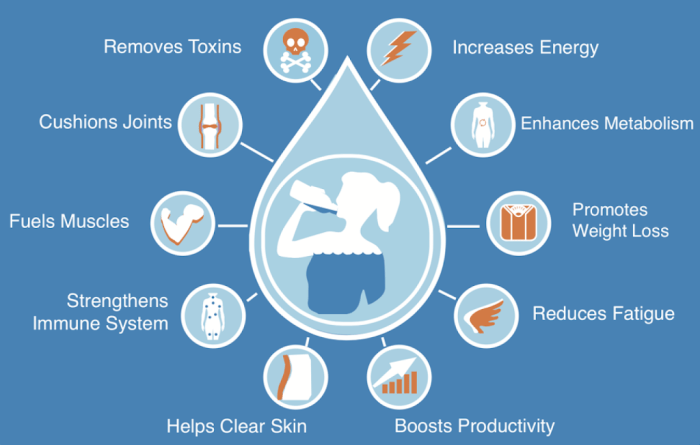
Water plays a crucial role in achieving a balanced diet as it is essential for various bodily functions. Hydration is closely linked to nutrient distribution in the body, impacting how effectively vitamins and minerals are transported to cells. The relationship between hydration and food choices is significant, as consuming water-rich foods can contribute to overall hydration levels and support a balanced diet.
Role of Water in Achieving a Balanced Diet
Water is vital for digestion, absorption, and transportation of nutrients throughout the body. It helps maintain proper electrolyte balance and metabolic functions, supporting the breakdown of food and absorption of essential vitamins and minerals.
Impact of Hydration on Nutrient Distribution
- Proper hydration ensures efficient nutrient delivery to cells, aiding in the absorption of essential nutrients like vitamins and minerals.
- Dehydration can hinder nutrient absorption and lead to nutrient deficiencies, affecting overall health and well-being.
Relationship between Hydration and Food Choices
- Choosing water-rich foods such as fruits, vegetables, and soups can contribute to hydration levels and support a balanced diet.
- Incorporating hydrating foods into meals can help meet daily fluid intake requirements and improve overall nutrient intake.
Hydration-Friendly Foods for a Balanced Diet
- Fruits: Watermelon, oranges, strawberries
- Vegetables: Cucumbers, tomatoes, lettuce
- Soups: Clear broths, vegetable-based soups
- Dairy: Low-fat milk, yogurt
- Smoothies: With hydrating ingredients like coconut water or water-rich fruits
Regular Exercise
Regular exercise is crucial for maintaining overall health and well-being. Staying hydrated before, during, and after physical activity is essential to optimize performance and ensure proper recovery.
Importance of Hydration Before, During, and After Exercise
Proper hydration is key to maximizing workout benefits. Before exercise, it is important to drink water to ensure adequate fluid levels for optimal performance. During exercise, especially intense or prolonged sessions, it is crucial to replenish fluids lost through sweat to prevent dehydration. After exercise, hydrating helps with muscle recovery and overall well-being.
How Dehydration Can Hinder Workout Performance
Dehydration can lead to decreased endurance, muscle cramps, fatigue, and impaired concentration during exercise. Without proper fluid intake, the body’s ability to regulate temperature and transport nutrients to muscles is compromised, resulting in subpar performance.
Tips on Fluid Intake for Various Types of Physical Activities
- For low to moderate-intensity activities, such as brisk walking or yoga, drinking water throughout the day and before exercise is usually sufficient.
- For high-intensity or endurance activities, like running or cycling, consider sports drinks with electrolytes to replace lost fluids and minerals.
- Monitor your urine color; pale yellow indicates proper hydration, while dark yellow may signal dehydration.
- Drink water before thirst sets in, as thirst is a sign of dehydration.
The Link Between Hydration and Exercise Recovery
Hydration plays a crucial role in exercise recovery by aiding muscle repair, reducing soreness, and replenishing glycogen stores. Proper fluid intake post-workout helps the body recover faster and perform better in subsequent sessions.
Mental Health
Maintaining proper hydration levels is not only crucial for physical health but also plays a significant role in supporting mental well-being. Dehydration can have a negative impact on cognitive function, mood, and overall mental health.
Experiencing dehydration can lead to difficulties in concentration, memory, and decision-making. In severe cases, it can even contribute to feelings of anxiety and irritability. By ensuring adequate water intake, individuals can support their brain function and emotional stability.
Impact of Hydration on Mental Health Conditions
- Dehydration can exacerbate symptoms of mental health conditions such as anxiety and depression.
- Proper hydration can help regulate neurotransmitter function, which is essential for mood regulation.
- Studies have shown that even mild dehydration can impair cognitive performance and mood.
Hydration Practices for Mental Health
- Carry a reusable water bottle with you throughout the day to remind yourself to drink water regularly.
- Set reminders on your phone or computer to take water breaks at intervals.
- Incorporate hydrating foods such as fruits and vegetables into your diet to boost overall hydration levels.
Examples of How Hydration Contributes to Mental Wellness
- Drinking water can help improve focus and concentration, leading to better productivity.
- Staying hydrated can enhance mood stability and reduce feelings of stress and anxiety.
- Proper hydration supports overall brain health and cognitive function, promoting mental clarity.
Holistic Wellness
Hydration is a key component of holistic wellness, impacting physical, mental, and emotional health in interconnected ways. Ensuring proper hydration levels is essential for overall well-being and balance in various aspects of life.
Interconnectedness of Hydration with Holistic Wellness
Staying hydrated is not just about drinking water; it involves a holistic approach that considers the mind, body, and emotions. Hydration impacts physical health by regulating body temperature, aiding digestion, and supporting organ function. Mentally, hydration plays a role in cognitive function, mood regulation, and concentration. Emotionally, staying hydrated can help maintain stability and reduce stress levels.
Holistic Hydration Practices for Overall Wellness
- Start your day with a glass of water to kickstart hydration levels.
- Carry a reusable water bottle with you throughout the day to ensure regular intake.
- Incorporate hydrating foods such as fruits, vegetables, and soups into your diet.
- Practice mindful drinking by sipping water slowly and paying attention to your body’s signals.
Examples of Holistic Wellness Practices Prioritizing Hydration
- Yoga and meditation sessions that emphasize hydration before and after practice.
- Wellness retreats that offer infused water stations and hydration-focused activities.
- Journaling about hydration goals and feelings related to water intake for self-awareness.
- Creating a holistic wellness plan that includes hydration as a central pillar for balance and vitality.
Chronic Diseases
Chronic diseases are long-lasting conditions that often require ongoing management to control symptoms and prevent complications. Hydration plays a crucial role in the overall well-being of individuals dealing with chronic illnesses.
Relationship Between Hydration and Chronic Disease Management
Adequate hydration is essential for managing chronic diseases as it helps support various bodily functions, including circulation, digestion, and temperature regulation. Proper hydration can also improve the effectiveness of medications used to treat chronic conditions.
Supporting Treatment Plans with Water Intake
Individuals with chronic diseases, such as diabetes or kidney disease, can benefit from staying hydrated as it helps regulate blood sugar levels and support kidney function. For patients undergoing cancer treatment, sufficient hydration can reduce side effects and improve recovery.
Impact of Hydration on Chronic Disease Progression
Dehydration can worsen symptoms and accelerate the progression of chronic diseases. By staying well-hydrated, individuals can potentially slow down the advancement of conditions like arthritis, heart disease, and respiratory disorders.
Managing Symptoms of Chronic Illnesses
- Hydration can alleviate common symptoms of chronic illnesses, such as fatigue, headaches, and muscle cramps.
- Proper water intake can help improve joint mobility and reduce pain for individuals with arthritis.
- For patients with gastrointestinal disorders, staying hydrated can aid in digestion and prevent complications.
- Individuals with chronic respiratory conditions may find relief from symptoms like coughing and shortness of breath by maintaining adequate hydration levels.
Immunity Boosters
Proper hydration plays a crucial role in boosting the immune system. By staying hydrated, you can enhance your body’s defense mechanisms and help ward off illnesses more effectively.
Incorporating Hydration for Immune Boosting
Ensuring you drink an adequate amount of water throughout the day is essential for maintaining optimal immune function. Here are some tips on how to incorporate hydration as part of your immune-boosting regimen:
- Start your day with a glass of water to kickstart your hydration levels.
- Carry a reusable water bottle with you to remind yourself to drink water regularly.
- Infuse your water with fruits or herbs for added flavor to make hydration more enjoyable.
- Set reminders on your phone or use hydration apps to track your water intake throughout the day.
Examples of Immune-Boosting Practices
Here are some immune-boosting practices that involve proper hydration:
- Drinking herbal teas rich in antioxidants to support immune function.
- Eating hydrating fruits and vegetables like watermelon, cucumbers, and oranges.
- Including electrolyte-rich beverages like coconut water to maintain hydration levels.
- Ensuring you stay hydrated before and after exercising to support immune health.
FAQ Overview
How does hydration impact the immune system function?
Proper hydration supports immune function by helping to transport important nutrients and oxygen to cells, as well as removing waste products efficiently.
What are some examples of how staying hydrated can boost immunity?
Staying hydrated can boost immunity by promoting the production of lymph, which carries white blood cells and other immune system cells throughout the body.
How does hydration relate to mental well-being?
Hydration plays a key role in maintaining cognitive function and mood stability, as dehydration can lead to cognitive decline and affect emotional well-being.
What is the importance of water intake in physical performance?
Proper hydration is crucial for physical performance as it helps maintain electrolyte balance, regulate body temperature, and prevent muscle fatigue during exercise.
How does staying hydrated contribute to preventive healthcare?
Staying hydrated is a simple yet effective way to prevent dehydration-related health issues, support immune function, and maintain overall health and well-being.

More Stories
Benefits of holistic approaches to chronic disease management: Improving Health Holistically
Importance of regular screenings for chronic disease detection: Early detection for better health outcomes
How to prevent chronic diseases through lifestyle changes: A guide to holistic health