Holistic wellness practices to reduce stress and anxiety offer a comprehensive approach to well-being, addressing the interconnectedness of mind, body, and spirit. This holistic perspective recognizes that stress and anxiety often stem from a combination of factors, including lifestyle choices, environmental influences, and emotional well-being.
By incorporating practices that promote physical health, mental clarity, and emotional resilience, individuals can effectively manage stress and anxiety, leading to a more balanced and fulfilling life. This guide explores various holistic wellness practices, providing practical tips and strategies for incorporating them into daily routines.
Holistic Wellness Practices for Stress and Anxiety Reduction
Holistic wellness goes beyond treating symptoms; it addresses the interconnectedness of mind, body, and spirit. This approach recognizes that stress and anxiety often stem from a combination of factors, including lifestyle choices, environmental stressors, and emotional well-being. By integrating various practices that nurture all aspects of your being, holistic wellness empowers you to create a more balanced and resilient state of mind.
Benefits of Holistic Wellness for Stress and Anxiety Management
Holistic wellness practices offer a multi-faceted approach to stress and anxiety reduction, promoting overall well-being. These practices are not a quick fix but rather a long-term investment in your mental and physical health. Here are some key benefits:
- Reduced Stress and Anxiety Levels:Holistic practices have been shown to lower cortisol levels, the stress hormone, and promote relaxation, leading to a calmer and more balanced state of mind.
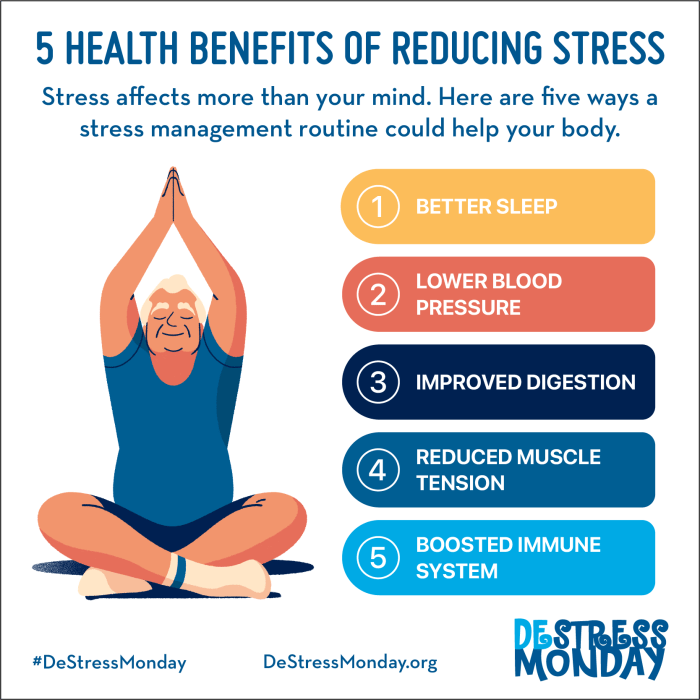
- Improved Sleep Quality:Stress and anxiety can disrupt sleep patterns. Holistic practices, such as mindfulness and yoga, can improve sleep quality by calming the mind and promoting relaxation.
- Enhanced Emotional Regulation:Holistic practices help develop self-awareness and emotional intelligence, enabling individuals to better understand and manage their emotions, reducing reactivity to stressors.
- Increased Resilience:By fostering a sense of well-being and inner strength, holistic practices equip individuals with the tools to cope with challenges and bounce back from adversity more effectively.
Mindfulness and Meditation
Mindfulness and meditation involve focusing on the present moment without judgment. These practices help to quiet the mind, reduce overthinking, and cultivate a sense of calm.
- Mindfulness Meditation:This practice involves paying attention to the present moment without judgment, focusing on sensations, thoughts, and emotions as they arise. Regular mindfulness meditation can help reduce stress and anxiety by promoting self-awareness and acceptance.
- Guided Meditation:Guided meditation involves following a recorded voice or instructions that lead you through a specific meditation experience. This can be helpful for beginners or those seeking a structured approach to meditation.
- Transcendental Meditation:This technique involves using a specific mantra or sound to quiet the mind and achieve a state of deep relaxation. Studies have shown that transcendental meditation can reduce stress, anxiety, and blood pressure.
Yoga and Movement
Yoga combines physical postures, breathing techniques, and meditation, promoting flexibility, strength, and stress reduction. Movement, in general, is beneficial for both physical and mental health.
- Hatha Yoga:This traditional form of yoga focuses on physical postures and breathwork, improving flexibility, strength, and balance. Hatha yoga can help release tension, reduce stress, and promote relaxation.
- Vinyasa Yoga:This dynamic form of yoga involves flowing from one pose to the next, creating a rhythmic and meditative experience. Vinyasa yoga can improve cardiovascular health, increase flexibility, and reduce stress.
- Gentle Yoga:This style of yoga is suitable for all levels, focusing on gentle stretches and relaxation techniques. Gentle yoga can help reduce stress, improve sleep, and promote a sense of well-being.
- Tai Chi:This ancient Chinese practice combines slow, flowing movements with deep breathing, promoting balance, coordination, and relaxation. Tai chi can reduce stress, improve sleep, and enhance mood.
- Qigong:This practice involves gentle movements, breathing exercises, and meditation, promoting energy flow and balance within the body. Qigong can help reduce stress, improve sleep, and enhance immune function.
Nutrition and Diet, Holistic wellness practices to reduce stress and anxiety
A healthy diet plays a crucial role in managing stress and anxiety. Consuming nutrient-rich foods can provide the body with the energy and support it needs to cope with stress.
- Eat a Balanced Diet:Focus on consuming whole, unprocessed foods such as fruits, vegetables, whole grains, and lean protein. These foods provide essential vitamins, minerals, and fiber, which are important for maintaining physical and mental health.
- Limit Processed Foods:Processed foods often contain high levels of sugar, unhealthy fats, and additives, which can contribute to inflammation and stress. Reducing your intake of processed foods can help improve your overall well-being.
- Stay Hydrated:Dehydration can exacerbate stress and anxiety. Make sure to drink plenty of water throughout the day to stay hydrated and support optimal brain function.
- Limit Caffeine and Alcohol:Caffeine and alcohol can have a stimulating effect on the nervous system, potentially exacerbating stress and anxiety. Moderating your intake of these substances can help promote relaxation and improve sleep quality.
Sleep Hygiene
Getting enough quality sleep is essential for managing stress and anxiety. Poor sleep can worsen symptoms, while adequate sleep can help improve mood and resilience.
- Establish a Regular Sleep Schedule:Go to bed and wake up at roughly the same time each day, even on weekends, to regulate your body’s natural sleep-wake cycle.
- Create a Relaxing Bedtime Routine:Engage in calming activities before bed, such as taking a warm bath, reading a book, or listening to soothing music. Avoid screen time for at least an hour before bed, as the blue light emitted from electronic devices can interfere with sleep.
- Optimize Your Sleep Environment:Make sure your bedroom is dark, quiet, and cool. Use blackout curtains, earplugs, or a white noise machine to minimize distractions.
- Avoid Heavy Meals and Alcohol Before Bed:Eating a large meal or consuming alcohol close to bedtime can disrupt sleep. Allow for at least two to three hours between your last meal and bedtime.
Social Connection and Support
Strong social connections and support systems can buffer against stress and anxiety.
- Spend Time with Loved Ones:Connect with friends and family members who provide emotional support and encouragement. Engaging in social activities can help reduce stress and promote a sense of belonging.
- Seek Support from Professionals:If you are struggling with stress or anxiety, consider seeking support from a therapist, counselor, or other mental health professional. They can provide guidance, coping strategies, and support.
- Join a Support Group:Connecting with others who share similar experiences can provide a sense of community and understanding. Support groups can offer a safe space to share feelings, learn coping mechanisms, and receive encouragement.
Nature and Outdoor Activities
Spending time in nature has been shown to reduce stress and anxiety.
- Go for a Walk in Nature:A walk in the park, a hike in the woods, or a stroll along the beach can help clear your mind, reduce stress, and boost your mood.
- Engage in Outdoor Activities:Activities such as gardening, cycling, or kayaking can provide a sense of accomplishment and relaxation. Engaging in these activities can help you connect with nature and reduce stress.
- Spend Time in Green Spaces:Studies have shown that spending time in green spaces, such as parks or forests, can reduce stress, improve mood, and promote relaxation.
Creative Expression
Engaging in creative activities can be a powerful outlet for stress and anxiety.
- Art Therapy:This therapeutic approach uses art-making as a means of expression and healing. Art therapy can help individuals process emotions, reduce stress, and improve self-esteem.
- Music Therapy:Listening to or playing music can have a calming effect on the mind and body. Music therapy can help reduce stress, improve mood, and promote relaxation.
- Writing:Journaling or creative writing can be a way to process thoughts and emotions, reducing stress and promoting self-awareness.
Other Holistic Practices
- Aromatherapy:Using essential oils can promote relaxation and reduce stress. Certain essential oils, such as lavender and chamomile, have calming effects.
- Massage Therapy:Massage can help relieve muscle tension, reduce stress, and promote relaxation. It can also improve circulation and reduce pain.
- Acupuncture:This traditional Chinese medicine practice involves inserting thin needles into specific points on the body to stimulate energy flow and promote healing. Acupuncture can help reduce stress, anxiety, and pain.
The Role of Physical Fitness
Physical activity plays a vital role in managing stress and anxiety. Engaging in regular exercise has a profound impact on both our physical and mental well-being, promoting a sense of calm and resilience in the face of life’s challenges.
The Connection Between Physical Activity and Stress Reduction
Exercise acts as a natural stress reliever by triggering the release of endorphins, which have mood-boosting effects. Endorphins are hormones that interact with receptors in the brain, reducing the perception of pain and producing feelings of euphoria and well-being.
Additionally, physical activity helps to regulate the body’s stress response system, reducing the production of cortisol, the primary stress hormone. By lowering cortisol levels, exercise helps to restore balance to the body’s stress response system, leading to a sense of calmness and improved mood.
Impact of Regular Exercise on Mental Health and Well-Being
Regular exercise has been proven to have a significant positive impact on mental health. It reduces symptoms of anxiety and depression, improves sleep quality, and enhances cognitive function. Exercise also helps to boost self-esteem and confidence, promoting a sense of accomplishment and self-efficacy.
The benefits of regular exercise extend beyond stress management, contributing to overall well-being and a healthier lifestyle.
Sample Workout Routine for Stress Management
Here’s a sample workout routine incorporating both cardiovascular and strength training exercises for stress management:
Warm-up:
- 5 minutes of light cardio, such as brisk walking or jogging in place.
- 5 minutes of dynamic stretching, such as arm circles, leg swings, and torso twists.
Cardiovascular Exercise:
20-30 minutes of moderate-intensity cardio, such as running, swimming, cycling, or dancing.
Strength Training:
- 2-3 sets of 8-12 repetitions for each exercise.
- Examples of strength training exercises include push-ups, squats, lunges, and planks.
Cool-down:
5 minutes of static stretching, holding each stretch for 30 seconds.
This routine can be adjusted based on individual fitness levels and preferences. It’s important to listen to your body and avoid overexertion. Consistency is key to experiencing the full benefits of exercise for stress management.
The Importance of Healthy Eating
A healthy diet is essential for both physical and mental well-being. The foods we consume directly impact our brain chemistry, influencing our mood, energy levels, and cognitive function. A diet rich in certain nutrients can significantly contribute to reducing stress and anxiety, promoting a sense of calm and balance.
The Relationship Between Diet and Mental Health
The link between diet and mental health is increasingly recognized. Our gut microbiome, the trillions of bacteria living in our digestive system, plays a crucial role in regulating our mood and emotions. A balanced diet rich in fiber and probiotics supports a healthy gut microbiome, contributing to improved mental well-being.
Key Nutrients for Stress Reduction and Anxiety Management
Several key nutrients play a vital role in supporting stress reduction and anxiety management:
Omega-3 Fatty Acids
Omega-3 fatty acids, found in fatty fish like salmon, tuna, and mackerel, as well as flaxseeds and walnuts, are essential for brain health. They help regulate mood, reduce inflammation, and promote a sense of calm.
B Vitamins
B vitamins, particularly B6, B9 (folate), and B12, are crucial for the production of neurotransmitters like serotonin and dopamine, which are associated with mood regulation and happiness. Good sources of B vitamins include leafy green vegetables, whole grains, beans, and poultry.
Magnesium
Magnesium is a vital mineral that helps relax muscles, reduce anxiety, and promote sleep. It also plays a role in regulating blood sugar levels, which can affect mood and energy levels. Good sources of magnesium include almonds, spinach, avocado, and dark chocolate.
Zinc
Zinc is essential for cognitive function and mood regulation. It helps the body produce serotonin and dopamine, and also plays a role in reducing inflammation. Good sources of zinc include oysters, beef, pumpkin seeds, and beans.
Sample Meal Plan for a Balanced Diet
Here’s a sample meal plan that incorporates these key nutrients for a balanced diet:
Breakfast
- Oatmeal with berries, nuts, and a drizzle of honey
- Scrambled eggs with spinach and whole-wheat toast
Lunch
- Salad with grilled salmon, avocado, and a light vinaigrette
- Lentil soup with whole-wheat bread
Dinner
- Chicken stir-fry with brown rice and mixed vegetables
- Baked tofu with roasted vegetables and quinoa
Snacks
- Handful of almonds or walnuts
- Greek yogurt with berries
- Fruit and vegetable sticks
This sample meal plan is a guideline and can be adjusted to fit individual preferences and dietary needs. It’s important to consult with a healthcare professional or registered dietitian for personalized advice.
The Power of Preventive Care
Preventive care is an essential component of holistic wellness, playing a significant role in stress and anxiety reduction. It empowers individuals to proactively manage their health, minimizing the likelihood of developing chronic conditions that can contribute to emotional distress.
Benefits of Early Detection and Intervention
Early detection and intervention for chronic diseases are crucial in mitigating their impact on mental health. By addressing health issues before they escalate, individuals can prevent the development of complications that can lead to stress and anxiety.
- Cardiovascular disease:Regular checkups can help identify early signs of cardiovascular disease, such as high blood pressure or cholesterol. Addressing these issues early can significantly reduce the risk of heart attacks and strokes, which are major contributors to stress and anxiety.
- Diabetes:Early diagnosis and management of diabetes can prevent complications such as nerve damage, kidney failure, and vision loss, which can contribute to stress and anxiety.
- Mental health conditions:Preventive care can also involve early screening for mental health conditions, such as depression and anxiety. Early intervention can significantly improve outcomes and reduce the long-term impact of these conditions.
Incorporating Preventive Care into a Healthy Lifestyle
Preventive care can be seamlessly integrated into a healthy lifestyle through various practices:
- Regular medical checkups:Scheduling regular medical checkups with a primary care physician is crucial for early detection of health issues.
- Immunizations:Staying up-to-date on vaccinations helps prevent infectious diseases that can lead to stress and anxiety.
- Healthy diet and exercise:Maintaining a balanced diet and engaging in regular physical activity are fundamental to overall health and well-being, reducing the risk of chronic diseases and promoting mental health.
- Stress management techniques:Incorporating stress management techniques into daily life, such as yoga, meditation, or deep breathing exercises, can significantly contribute to emotional well-being and reduce the risk of developing stress-related health problems.
Mental Health Practices: Holistic Wellness Practices To Reduce Stress And Anxiety
Mental health practices play a crucial role in stress and anxiety reduction by equipping individuals with tools to manage their thoughts, emotions, and reactions to challenging situations. These practices promote a sense of calm, clarity, and resilience, fostering overall well-being.
Mindfulness, Meditation, and Deep Breathing
Mindfulness, meditation, and deep breathing exercises are powerful techniques for stress reduction. These practices help individuals become more aware of their present moment experiences without judgment, fostering a sense of calm and reducing the impact of stress.
- Mindfulnessinvolves paying attention to the present moment without judgment. It can be practiced through activities like mindful walking, eating, or simply observing your breath.
- Meditationis a practice that involves focusing your attention on a single point, such as your breath or a mantra, to quiet the mind and promote relaxation.
- Deep breathingexercises, such as diaphragmatic breathing, involve taking slow, deep breaths that help to calm the nervous system and reduce feelings of anxiety.
Practical Tips for Effective Practice
To effectively practice mindfulness, meditation, and deep breathing, consider the following:
- Start Small: Begin with short sessions, gradually increasing the duration as you become more comfortable.
- Find a Quiet Space: Choose a peaceful environment where you can focus without distractions.
- Guided Meditations: Use guided meditations or apps to assist you in the process.
- Regular Practice: Make these practices a regular part of your routine, even for a few minutes each day.
Therapy and Counseling
Therapy and counseling offer a structured and supportive environment to address anxiety and stress. These approaches provide individuals with tools to understand their emotions, develop coping mechanisms, and make positive changes in their lives.
- Cognitive Behavioral Therapy (CBT): This type of therapy focuses on identifying and changing negative thought patterns and behaviors that contribute to stress and anxiety.
- Mindfulness-Based Cognitive Therapy (MBCT): This approach combines mindfulness techniques with cognitive therapy to help individuals manage stress and prevent relapse into anxiety.
- Psychotherapy: This broad term encompasses various therapeutic approaches, including psychodynamic therapy, interpersonal therapy, and humanistic therapy, each focusing on different aspects of mental health.
Boosting Immunity
Stress can have a significant impact on your immune system, making you more susceptible to illness. When you’re stressed, your body releases hormones like cortisol, which can suppress the immune system’s ability to fight off infections.
Lifestyle Changes to Strengthen Immunity
Making lifestyle changes can significantly boost your immune system.
- Prioritize Sleep:Adequate sleep is crucial for immune function. Aim for 7-9 hours of quality sleep each night.
- Manage Stress:Engage in stress-reducing activities like yoga, meditation, or spending time in nature.
- Stay Hydrated:Water is essential for immune cell function. Drink plenty of fluids throughout the day.
- Regular Exercise:Moderate physical activity can enhance immune function. Aim for at least 30 minutes of moderate-intensity exercise most days of the week.
- Maintain a Healthy Weight:Obesity can weaken the immune system. Maintaining a healthy weight through diet and exercise is essential.
Natural Immunity Boosters
Several natural remedies can support your immune system:
- Vitamin C:Found in citrus fruits, berries, and leafy greens, vitamin C is an antioxidant that helps boost immune function. It may help reduce the duration and severity of colds.
- Vitamin D:This vitamin is essential for immune cell function. Sunlight exposure is the primary source of vitamin D, but supplements can also be taken.
- Zinc:Zinc is a mineral that plays a crucial role in immune function. It can be found in foods like oysters, red meat, and nuts.
- Elderberry:Elderberry is a traditional remedy with antiviral properties. It may help shorten the duration of colds and flu.
- Garlic:Garlic contains compounds with antibacterial and antiviral properties. It can help boost the immune system and fight infections.
Conclusive Thoughts
Embracing holistic wellness practices is not a one-size-fits-all approach. It’s about finding what works best for you and creating a personalized plan that supports your overall well-being. By nurturing your physical, mental, and emotional health, you can cultivate a sense of inner peace and resilience, empowering you to navigate life’s challenges with greater ease and clarity.
FAQ Guide
What are some examples of holistic wellness practices?
Holistic wellness practices encompass a wide range of activities, including exercise, meditation, yoga, healthy eating, spending time in nature, connecting with loved ones, and engaging in creative pursuits.
How long does it take to see results from holistic wellness practices?
The time it takes to experience benefits varies depending on the practice and individual factors. Some people may notice improvements within a few weeks, while others may take longer. Consistency and dedication are key to achieving lasting results.
Can holistic wellness practices replace traditional therapy or medication?
Holistic wellness practices are complementary to traditional therapies and medications. They can be used alongside these treatments to enhance overall well-being and manage symptoms. It’s important to consult with a healthcare professional to determine the best course of action for your specific needs.

More Stories
Holistic Wellness: A Path to Spiritual Growth
Mental health benefits of meditation and mindfulness practices: A Holistic Approach
Benefits of drinking water for healthy eating: How hydration impacts overall wellness