Physical Fitness Tips for Marathon Training
Physical fitness tips for marathon training – Preparing for a marathon requires more than just running long distances. Here are some essential physical fitness tips to help you train effectively:
Proper Warm-Up Exercises
Before starting your marathon training session, it is crucial to perform proper warm-up exercises. This helps increase blood flow to your muscles, improve flexibility, and reduce the risk of injury during your run.
- Start with a light jog or brisk walk to gradually increase your heart rate.
- Incorporate dynamic stretches such as leg swings, arm circles, and high knees to loosen up your muscles.
- Include specific drills like butt kicks, lunges, and skipping to activate different muscle groups.
Cooling Down and Stretching
After completing your marathon training session, cooling down and stretching are essential to prevent muscle soreness and injuries. This helps your body recover and maintain flexibility for future runs.
- End your run with a slow jog or walk to gradually lower your heart rate.
- Perform static stretches targeting major muscle groups such as hamstrings, quadriceps, calves, and hip flexors.
- Use foam rollers or massage tools to release tension in tight muscles and promote faster recovery.
Mental Wellness During Marathon Training
Maintaining mental wellness is crucial during the rigorous training period for a marathon. It is essential to develop strategies to stay motivated, focused, and resilient throughout the preparation phase to ensure success on race day.
Role of Mental Resilience
Mental resilience plays a significant role in overcoming challenges that may arise during marathon training. It involves the ability to adapt to setbacks, stay positive, and persevere despite obstacles. Building mental toughness can help athletes push through tough workouts, handle fatigue, and maintain confidence in their abilities.
Strategies to Maintain Mental Wellness
- Set realistic goals: Break down your training plan into manageable milestones to track progress and stay motivated.
- Practice mindfulness: Incorporate techniques like deep breathing, visualization, or meditation to reduce stress and enhance focus.
- Stay positive: Surround yourself with a supportive network of friends, family, or fellow runners to boost morale and share experiences.
- Focus on self-care: Prioritize adequate sleep, nutrition, and rest to ensure your body and mind are well-prepared for the demands of training.
Tips for Staying Motivated
- Visualize success: Imagine crossing the finish line and achieving your goal to keep yourself motivated during tough training sessions.
- Reward yourself: Celebrate small victories along the way, whether it’s completing a long run or hitting a personal best time.
- Mix up your routine: Keep training exciting by trying new routes, workouts, or incorporating cross-training activities to prevent burnout.
- Stay connected: Join a running group, participate in virtual challenges, or share your progress on social media to stay engaged and motivated.
Healthy Eating Habits for Marathon Runners

Proper nutrition plays a crucial role in supporting the training and performance of marathon runners. A balanced diet plan is essential to fuel their workouts, support endurance, and promote recovery.
Balanced Diet Plan for Marathon Runners
Marathon runners should focus on consuming a well-rounded diet that includes a mix of carbohydrates, proteins, healthy fats, vitamins, and minerals. Here is a sample balanced diet plan:
- Carbohydrates: Whole grains, fruits, and vegetables for energy.
- Proteins: Lean meats, poultry, fish, beans, and legumes for muscle repair and growth.
- Healthy Fats: Nuts, seeds, avocados, and olive oil for heart health and energy.
- Vitamins and Minerals: Incorporate a variety of colorful fruits and vegetables to ensure you get a range of nutrients.
Importance of Hydration and Nutrient-Rich Foods
Staying hydrated is crucial for marathon runners to maintain performance and aid in recovery. Water, electrolyte-rich drinks, and hydrating foods like fruits and vegetables are essential. Nutrient-rich foods provide the necessary vitamins and minerals to support overall health and performance.
Pre-Workout Meal Options
Before a training session, marathon runners should consume a balanced meal that includes carbohydrates for energy and proteins for muscle support. Examples of pre-workout meals include:
- Oatmeal with berries and nuts
- Whole grain toast with avocado and eggs
- Greek yogurt with granola and fruit
Post-Workout Meal Options
After a workout, it’s important to refuel the body with nutrients to aid in recovery and muscle repair. Post-workout meal options for marathon runners include:
- Grilled chicken with quinoa and roasted vegetables
- Salmon with sweet potatoes and steamed greens
- Veggie stir-fry with tofu and brown rice
Preventive Care Measures for Marathon Participants: Physical Fitness Tips For Marathon Training

Proper preventive care is essential for marathon participants to ensure they stay healthy and injury-free throughout their training and race day.
Regular health check-ups and injury prevention techniques are crucial for marathon runners. By monitoring their physical condition and seeking professional advice, participants can address any potential issues early on and prevent them from escalating.
Proper Footwear Selection and Gear Maintenance, Physical fitness tips for marathon training
- Choose running shoes that provide adequate support and cushioning based on your running gait and foot type.
- Replace your shoes every 300-500 miles to prevent injuries from worn-out cushioning and support.
- Regularly inspect and maintain your running gear, such as compression garments and hydration packs, to ensure they function properly during training and on race day.
Importance of Listening to the Body’s Signals
- Pay attention to any signs of fatigue, pain, or discomfort during training sessions, and adjust your routine accordingly to avoid overtraining.
- Include rest days in your training schedule to allow your body to recover and prevent burnout.
- Consult with a coach or healthcare professional if you experience persistent pain or discomfort that may indicate an underlying issue.
Immunity Boosters for Marathon Training
Proper immune function is crucial for marathon runners to stay healthy and perform at their best. By incorporating immune-boosting foods, supplements, and activities into your training routine, you can support your overall health and well-being during marathon preparation.
Impact of Adequate Rest and Recovery
Adequate rest and recovery play a significant role in supporting a strong immune system for marathon runners. When your body is well-rested, it can effectively fight off infections and illnesses, allowing you to stay healthy and focused on your training goals.
- Ensure you prioritize quality sleep each night to allow your body to repair and regenerate.
- Listen to your body and give yourself rest days when needed to prevent burnout and support immune function.
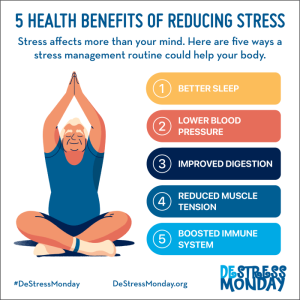
- Consider incorporating relaxation techniques such as yoga or meditation to reduce stress levels, which can negatively impact the immune system.
Immune-Boosting Foods and Supplements
Consuming a well-balanced diet rich in immune-boosting foods can provide your body with the necessary nutrients to support a strong immune system. Additionally, certain supplements can help fill any nutritional gaps and further enhance immune function.
- Include foods high in vitamin C, such as citrus fruits, bell peppers, and strawberries, to boost your immune system.
- Consider incorporating probiotic-rich foods like yogurt and kefir to support gut health, which is closely linked to immune function.
- Supplements like vitamin D, zinc, and echinacea have been shown to help strengthen the immune system when taken as directed.
Incorporating Immune-Boosting Activities
In addition to nourishing your body with immune-boosting foods and supplements, incorporating immune-boosting activities into your training routine can further support your overall health and well-being.
- Try practicing yoga or meditation to reduce stress levels, improve mental clarity, and support immune function.
- Engage in light stretching or mobility exercises to promote circulation and lymphatic drainage, which can help enhance immune response.
- Spend time outdoors in nature to boost your mood, reduce inflammation, and support overall immune health.
Questions Often Asked
How important are warm-up exercises before marathon training?
Warm-up exercises are crucial as they help prepare your muscles and joints for the intense workout ahead, reducing the risk of injuries.
What should marathon runners focus on in their diet plan?
Marathon runners should focus on consuming a balanced diet rich in carbohydrates, proteins, healthy fats, and hydrating fluids to fuel their training and performance.
How can runners prevent overtraining and burnout during marathon preparation?
Listening to your body’s signals, incorporating rest days in your training schedule, and varying your workouts can help prevent overtraining and burnout.

More Stories
Flexibility & Balance: Fitness Routines for Improved Health