Physical fitness routines for increasing flexibility and balance are not just about achieving a graceful pose or mastering a challenging yoga move. These routines are the cornerstone of a healthy and vibrant life, offering a range of benefits that extend far beyond the physical realm.
From preventing injuries and improving posture to enhancing mental clarity and reducing stress, incorporating flexibility and balance exercises into your daily routine can be a game-changer for your overall well-being.
This comprehensive guide delves into the importance of flexibility and balance, exploring various types of exercises, creating personalized routines, and addressing safety considerations. We’ll also discuss how these exercises can seamlessly integrate into a holistic wellness plan, encompassing aspects like nutrition, sleep, and stress management.
Understanding Flexibility and Balance
Flexibility and balance are essential components of overall health and well-being. They are crucial for maintaining mobility, preventing injuries, and enhancing quality of life.
Importance of Flexibility and Balance
Flexibility refers to the range of motion in your joints. It allows you to move freely and easily without limitations. Good flexibility helps improve posture, reduce muscle stiffness, and prevent injuries. Balance, on the other hand, is the ability to control your body’s position and maintain stability.
It’s essential for everyday activities like walking, standing, and reaching. Good balance reduces the risk of falls, especially as we age.
Benefits of Flexibility and Balance Exercises
Incorporating flexibility and balance exercises into your fitness routine offers numerous benefits, including:
- Improved range of motion and mobility
- Reduced muscle stiffness and soreness
- Enhanced coordination and agility
- Improved posture and alignment
- Increased blood flow and circulation
- Reduced risk of falls and injuries
- Enhanced athletic performance
- Improved mental well-being and stress reduction
Factors Affecting Flexibility and Balance
Several factors can contribute to poor flexibility and balance. These include:
- Age: As we age, our muscles and joints naturally become less flexible and our balance may decline.
- Sedentary Lifestyle: A lack of physical activity can lead to muscle stiffness and reduced range of motion.
- Injuries: Past injuries, particularly those affecting the joints or muscles, can significantly impact flexibility and balance.
- Certain Medical Conditions: Some medical conditions, such as arthritis, can also affect flexibility and balance.
Types of Flexibility and Balance Exercises
Flexibility and balance exercises are crucial for overall well-being and can help improve your range of motion, reduce injury risk, and enhance your coordination. These exercises target different muscle groups and joints, allowing you to move with greater ease and stability.
Static Stretching
Static stretching involves holding a stretch for a prolonged period, typically 15 to 30 seconds. This type of stretching allows muscles to relax and lengthen, improving flexibility. Examples include:
- Hamstring stretch:Sit on the floor with your legs extended. Reach towards your toes, feeling the stretch in the back of your thighs.
- Quadriceps stretch:Stand with your feet hip-width apart. Grab one foot and pull it towards your buttocks, feeling the stretch in the front of your thigh.
- Calf stretch:Stand facing a wall with your feet shoulder-width apart. Lean forward, keeping your back straight, until you feel the stretch in your calves.
Dynamic Stretching
Dynamic stretching involves controlled movements through a range of motion, warming up muscles and improving flexibility. Examples include:
- Arm circles:Stand with your feet shoulder-width apart and swing your arms in a circular motion, forward and backward.
- Leg swings:Stand with your feet shoulder-width apart and swing one leg forward and backward, keeping your back straight.
- Torso twists:Stand with your feet shoulder-width apart and twist your upper body from side to side, keeping your hips stable.
Proprioceptive Neuromuscular Facilitation (PNF)
PNF stretching involves contracting and relaxing muscles in a specific sequence to increase flexibility. This technique is often used by physical therapists and trainers. Here are some examples:
- Contract-relax:This technique involves contracting a muscle against resistance, then relaxing it while stretching it further. For example, you might contract your hamstring muscles by pushing your heel towards your buttocks, then relax and stretch your leg further.
- Hold-relax:This technique involves holding a stretch for a period of time, then contracting the muscle being stretched. For example, you might hold a hamstring stretch, then contract your hamstring muscles for a few seconds.
Balance Exercises
Balance exercises help improve your ability to maintain your center of gravity over your base of support. Examples include:
- Single-leg stances:Stand on one leg, keeping your other leg slightly off the ground. Hold this position for as long as you can comfortably maintain your balance.
- Tandem stance:Stand with one foot directly in front of the other, keeping your heels aligned. Hold this position for as long as you can comfortably maintain your balance.
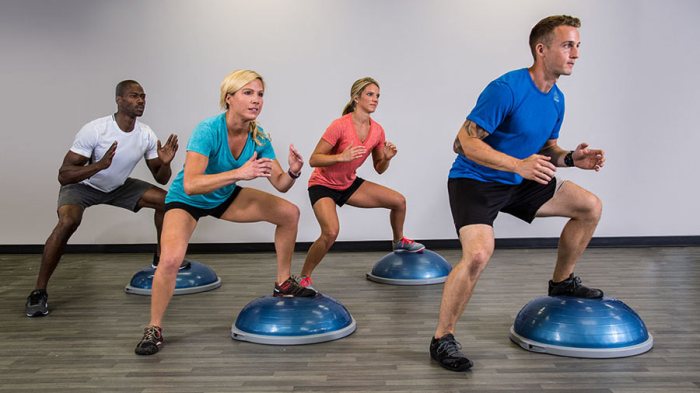
- Balance board exercises:Stand on a balance board and perform various exercises, such as squats, lunges, and reaches, while maintaining your balance.
Sample Flexibility and Balance Routine
This routine incorporates various exercises for different muscle groups:
- Warm-up (5 minutes):
- Arm circles (forward and backward)
- Leg swings (forward and backward)
- Torso twists
- Flexibility exercises (10 minutes):
- Hamstring stretch (hold for 30 seconds)
- Quadriceps stretch (hold for 30 seconds)
- Calf stretch (hold for 30 seconds)
- Shoulder stretch (hold for 30 seconds)
- Chest stretch (hold for 30 seconds)
- Balance exercises (5 minutes):
- Single-leg stance (hold for 30 seconds on each leg)
- Tandem stance (hold for 30 seconds)
- Balance board exercises (perform for 2 minutes)
- Cool-down (5 minutes):
- Light walking or gentle stretching
Creating a Personalized Routine: Physical Fitness Routines For Increasing Flexibility And Balance
A personalized flexibility and balance routine is essential for achieving optimal results and minimizing the risk of injury. It should cater to your individual needs, fitness level, and goals.
Factors to Consider When Creating a Personalized Routine
Creating a personalized routine involves considering various factors to ensure it aligns with your unique needs and goals.
- Fitness Level:Start with exercises that match your current fitness level. If you are a beginner, start with simpler stretches and hold them for shorter durations. Gradually increase the intensity and duration as you progress.
- Goals:Determine your goals for flexibility and balance. Are you aiming to improve your range of motion, enhance your posture, or reduce the risk of falls? Tailor your routine to achieve these specific objectives.
- Limitations:Consider any physical limitations you may have, such as injuries, chronic conditions, or age-related factors. Consult with a healthcare professional before starting any new exercise program.
Importance of Proper Warm-up and Cool-down Routines
Warming up prepares your body for exercise, while cooling down helps it recover.
- Warm-up:A warm-up routine should increase your heart rate and blood flow, preparing your muscles for stretching. This can include light cardio, such as walking or jogging, followed by dynamic stretches, which involve moving your joints through their full range of motion.
- Cool-down:A cool-down routine should help your body gradually return to a resting state. This can include static stretches, which involve holding a stretch for a longer duration, and light cardio, such as walking.
Incorporating Flexibility and Balance Exercises into Daily Activities
You can seamlessly integrate flexibility and balance exercises into your daily routine.
- Work Breaks:Take short breaks during your workday to stretch your muscles and improve your posture. You can perform simple stretches like neck rolls, shoulder shrugs, and hamstring stretches.
- While Watching Television:Use commercial breaks to engage in balance exercises. Stand on one leg for a few seconds, then switch legs. You can also practice single-leg squats or heel raises.
Safety Considerations
Flexibility and balance exercises are beneficial for overall health and well-being. However, it’s crucial to prioritize safety to prevent injuries and maximize the benefits of these exercises. This section delves into essential safety precautions, common mistakes to avoid, and the importance of seeking guidance from qualified professionals.
Proper Form
Maintaining proper form during flexibility and balance exercises is crucial for maximizing benefits and minimizing the risk of injury. Incorrect form can strain muscles, ligaments, and joints, leading to pain and discomfort. Here are some key points to remember:
- Engage the core:Activating your core muscles helps stabilize your body and protect your spine during stretching and balancing exercises.
- Controlled movements:Avoid sudden, jerky movements, especially when stretching. Gradual and controlled movements allow muscles to lengthen and contract safely.
- Maintain a neutral spine:Avoid excessive arching or rounding of the back during stretches and balance exercises.
- Listen to your body:Pay attention to any discomfort or pain. Stop the exercise immediately if you experience any sharp or intense pain.
Gradual Progression, Physical fitness routines for increasing flexibility and balance
Starting with a gradual progression is crucial for avoiding injuries and allowing your body to adapt to the demands of flexibility and balance exercises.
- Start slowly:Begin with shorter durations and fewer repetitions, gradually increasing the intensity and duration as your body adapts.
- Listen to your body:Pay attention to any signs of fatigue or discomfort. If you feel overwhelmed, reduce the intensity or take a break.
- Regular practice:Consistent practice helps improve flexibility and balance over time. Aim for regular sessions, even if they are short, to maintain progress.
Common Mistakes to Avoid
Common mistakes during flexibility and balance exercises can increase the risk of injury. It’s essential to be aware of these mistakes and avoid them to ensure a safe and effective workout.
- Pushing beyond your limits:Stretching too far or holding stretches for too long can lead to muscle tears or other injuries. Listen to your body and stop if you feel any sharp pain.
- Bouncing:Bouncing during stretches can strain muscles and ligaments. Instead, focus on slow, controlled movements.
- Ignoring your body:Ignoring any signs of pain or discomfort can lead to more serious injuries. Stop the exercise immediately if you feel any sharp or intense pain.
- Overstretching:Stretching beyond your natural range of motion can lead to muscle tears or other injuries. Aim for a gentle stretch that feels comfortable.
- Holding your breath:Holding your breath during stretches can increase blood pressure and limit oxygen flow to muscles. Breathe deeply and evenly throughout the exercise.
Importance of Professional Guidance
Seeking guidance from a qualified fitness professional or healthcare provider is essential for maximizing the benefits of flexibility and balance exercises and minimizing the risk of injury.
- Personalized guidance:A qualified professional can create a personalized routine that meets your individual needs and goals, taking into account any existing injuries or limitations.
- Proper form correction:A professional can observe your form and provide feedback to ensure you are performing exercises correctly, minimizing the risk of injury.
- Safe progression:A professional can guide you through a gradual progression, ensuring you are challenging yourself appropriately without overdoing it.
Integrating Flexibility and Balance into a Holistic Wellness Plan
Flexibility and balance exercises are not just about physical fitness; they are integral components of a holistic wellness plan, contributing to your overall health and well-being. By incorporating these exercises into your routine, you can enhance various aspects of your life, including physical, mental, and emotional health.
Benefits of Flexibility and Balance Exercises
Flexibility and balance exercises offer a wide range of benefits for your physical, mental, and emotional well-being. Here’s a table illustrating how these exercises can contribute to your overall health:
| Area | Benefits |
|---|---|
| Physical Health | Increased range of motion, improved posture, reduced risk of injuries, enhanced muscle strength and endurance, improved cardiovascular health, and better coordination. |
| Mental Health | Reduced stress and anxiety, improved mood, enhanced cognitive function, and better sleep quality. |
| Emotional Health | Increased self-confidence, improved body image, and a greater sense of well-being. |
The Connection to Other Aspects of Holistic Wellness
Flexibility and balance exercises are interconnected with other aspects of holistic wellness, such as nutrition, sleep, and stress management. * Nutrition:A balanced diet provides the necessary nutrients for muscle recovery and growth, which are essential for flexibility and balance exercises.
Sleep
Adequate sleep allows your body to repair and rebuild muscles, enhancing flexibility and balance.
Stress Management
Flexibility and balance exercises can help reduce stress and anxiety, leading to better sleep and improved overall well-being.
Resources for Further Information
Here are some resources for further information on flexibility, balance, and holistic wellness:* Websites:
The National Institute of Health (NIH)
The American College of Sports Medicine (ACSM)
The National Center for Complementary and Integrative Health (NCCIH)
Books
“The Complete Guide to Flexibility and Balance” by Carol Krucoff
“Holistic Health
A Practical Guide” by Andrew Weil
Apps
“Yoga Studio”
“Balance Trainer”
“Headspace”
The Importance of Physical Fitness
Regular physical activity is a cornerstone of a healthy lifestyle. Engaging in exercise regularly brings numerous benefits to both our physical and mental well-being. It is an investment in our overall health that pays dividends throughout our lives.
Benefits of Regular Exercise
Regular exercise plays a vital role in maintaining optimal physical health. It strengthens our muscles, improves cardiovascular health, and helps manage weight.
- Cardiovascular Health:Exercise strengthens the heart and lungs, improving blood circulation and lowering blood pressure. It reduces the risk of heart disease, stroke, and other cardiovascular problems.
- Weight Management:Exercise burns calories and helps maintain a healthy weight. It also boosts metabolism, making it easier to manage weight over time.
- Muscle Strength and Endurance:Exercise builds muscle mass and improves muscle strength and endurance. This makes everyday activities easier and reduces the risk of falls and injuries.
- Bone Health:Weight-bearing exercises, such as walking, running, and weightlifting, help increase bone density and reduce the risk of osteoporosis.
- Flexibility and Balance:Regular exercise, particularly activities that focus on stretching and balance, can improve flexibility and balance, reducing the risk of falls and injuries.
- Mental Health:Exercise has a positive impact on mental health. It releases endorphins, which have mood-boosting effects. Exercise can also reduce stress, anxiety, and depression.
Types of Physical Activities
A balanced fitness routine includes a variety of physical activities that target different aspects of health.
- Aerobic Exercise:Aerobic exercise, also known as cardio, is any activity that raises your heart rate and breathing. Examples include running, swimming, cycling, and dancing.
- Strength Training:Strength training involves using resistance to build muscle mass and strength. Examples include weightlifting, bodyweight exercises, and resistance bands.
- Flexibility Exercises:Flexibility exercises, such as stretching and yoga, improve range of motion and flexibility.
- Balance Exercises:Balance exercises, such as tai chi and yoga, improve balance and coordination.
Preventing Chronic Diseases
Regular exercise plays a crucial role in preventing chronic diseases.
- Heart Disease:Exercise helps lower blood pressure, improve cholesterol levels, and reduce the risk of heart disease.
- Type 2 Diabetes:Exercise helps regulate blood sugar levels and reduces the risk of developing type 2 diabetes.
- Some Cancers:Exercise has been linked to a lower risk of developing certain types of cancer, such as colon cancer and breast cancer.
- Osteoporosis:Weight-bearing exercises help increase bone density and reduce the risk of osteoporosis.
Improving Mental Health
Exercise has a significant impact on mental health.
- Stress Reduction:Exercise releases endorphins, which have mood-boosting effects and help reduce stress levels.
- Anxiety Relief:Regular exercise can help manage anxiety symptoms and improve overall mood.
- Depression Management:Exercise can be an effective treatment for mild to moderate depression.
- Improved Sleep:Exercise can improve sleep quality and reduce insomnia.
Healthy Eating Habits
A balanced diet is crucial for maintaining good health and enhancing your flexibility and balance. It provides your body with the necessary nutrients to fuel your workouts, repair muscle tissue, and support overall well-being.
The Importance of a Balanced Diet
A balanced diet encompasses consuming a variety of foods from all food groups in appropriate proportions. This ensures that your body receives all the essential nutrients it needs to function optimally. These nutrients include:
- Carbohydrates: Provide energy for your body’s activities, including exercise.
- Proteins: Essential for building and repairing tissues, including muscles.
- Fats: Support hormone production, protect organs, and provide energy.
- Vitamins: Crucial for various bodily functions, such as immunity, vision, and bone health.
- Minerals: Play vital roles in maintaining fluid balance, nerve function, and muscle contraction.
The Role of Nutrients in the Body
Each nutrient plays a specific role in supporting your body’s functions:
- Carbohydrates: Primarily provide energy for your muscles and brain. Complex carbohydrates, found in whole grains, fruits, and vegetables, are digested slowly and provide sustained energy.
- Proteins: Essential for building and repairing tissues, including muscles, bones, and skin. They also play a role in hormone production and immune function.
- Fats: Provide energy and support hormone production. They also help insulate organs and protect them from damage.
- Vitamins: Act as coenzymes, assisting in various metabolic processes. For instance, Vitamin D is essential for calcium absorption, supporting bone health, while Vitamin C supports collagen production, important for joint health.
- Minerals: Play vital roles in regulating bodily functions. For example, calcium is crucial for bone health and muscle contraction, while iron is essential for oxygen transport in the blood.
Creating a Healthy Meal Plan
Here are some tips for creating a healthy meal plan that includes a variety of foods from all food groups:
- Focus on whole, unprocessed foods: Choose fruits, vegetables, whole grains, lean protein sources, and healthy fats over processed foods, sugary drinks, and unhealthy fats.
- Eat a variety of foods: Incorporate a wide range of colors, textures, and flavors into your diet to ensure you are getting all the necessary nutrients.
- Cook at home more often: This gives you control over the ingredients and portion sizes.
- Plan your meals in advance: This can help you avoid unhealthy choices when you’re short on time.
- Stay hydrated: Drink plenty of water throughout the day, especially before, during, and after exercise.
- Limit processed foods, sugary drinks, and unhealthy fats: These foods can contribute to weight gain, inflammation, and other health problems.
Preventive Care and Regular Checkups
Preventive care is an essential aspect of maintaining optimal health and well-being. It involves proactive measures taken to prevent illness and disease before they develop. Regular checkups are crucial for early detection and intervention, which can significantly improve health outcomes and prevent serious complications.
Importance of Preventive Care and Regular Checkups
Preventive care and regular checkups play a vital role in promoting health and longevity. They help identify potential health risks early on, allowing for timely intervention and reducing the likelihood of developing chronic conditions. Regular checkups also provide an opportunity for individuals to receive essential preventive services, such as vaccinations and screenings.
Common Preventive Screenings and Vaccinations
Preventive screenings and vaccinations are essential components of a comprehensive preventive care strategy. These services help identify potential health risks and protect individuals from preventable diseases.
Preventive Screenings
- Blood Pressure Screening:Regular blood pressure checks can detect hypertension, a major risk factor for heart disease and stroke.
- Cholesterol Screening:High cholesterol levels increase the risk of heart disease. Regular screenings can help identify and manage this risk.
- Diabetes Screening:Early detection of diabetes is crucial for managing blood sugar levels and preventing complications.
- Cancer Screenings:Regular screenings for various cancers, such as breast cancer, cervical cancer, and colorectal cancer, can increase the chances of early detection and successful treatment.
Vaccinations
- Flu Vaccine:The flu vaccine helps protect against seasonal influenza, a respiratory illness that can be serious, especially for older adults and individuals with underlying health conditions.
- Pneumonia Vaccine:The pneumonia vaccine helps protect against pneumococcal disease, a serious bacterial infection that can cause pneumonia, meningitis, and other illnesses.
- Hepatitis B Vaccine:The hepatitis B vaccine protects against hepatitis B, a viral infection that can cause liver damage.
- HPV Vaccine:The HPV vaccine protects against human papillomavirus (HPV), a common sexually transmitted infection that can cause cervical cancer and other cancers.
Early Detection and Intervention
Early detection and intervention are crucial for improving health outcomes and preventing serious illnesses. When health problems are identified early, they are often easier to treat and manage, reducing the risk of complications and long-term health consequences.
“Early detection and intervention are key to preventing serious health problems and improving overall health outcomes.”
For example, early detection of high blood pressure allows for lifestyle modifications and medication to control blood pressure, reducing the risk of heart disease and stroke. Similarly, early detection of diabetes allows for blood sugar management and lifestyle changes, preventing complications such as nerve damage, kidney disease, and blindness.
Outcome Summary
By understanding the fundamentals of flexibility and balance, and implementing these practices into your life, you can unlock a world of possibilities for a healthier, happier, and more fulfilling life. Remember, consistency is key, and even small steps towards improving your flexibility and balance can lead to significant improvements in your overall health and well-being.
Embrace the journey, and let your body and mind reap the rewards of a balanced and flexible life.
Expert Answers
What are the best exercises for improving flexibility?
Stretching exercises, including static stretching, dynamic stretching, and PNF (Proprioceptive Neuromuscular Facilitation), are highly effective for improving flexibility.
How often should I practice flexibility and balance exercises?
Aim for at least 30 minutes of flexibility and balance exercises most days of the week. You can break it down into shorter sessions throughout the day.
Can I improve flexibility and balance at home?
Absolutely! There are many effective exercises you can do at home using minimal equipment. You can even incorporate these exercises into your daily activities.
What are some common mistakes to avoid when practicing flexibility and balance?
Common mistakes include pushing yourself too hard, not warming up properly, and ignoring pain signals. It’s important to listen to your body and progress gradually.

More Stories
Physical fitness tips for marathon training: Essential advice for runners