Mental Wellness
Maintaining good mental health is crucial in preventing chronic diseases. Mental wellness not only impacts our overall well-being but also plays a significant role in our physical health. Stress, anxiety, and other mental health issues can contribute to the development of chronic illnesses if left unaddressed.
Importance of Mental Wellness
- Reduced risk of heart disease and hypertension
- Improved immune system function
- Better management of chronic conditions like diabetes
Mental Health Practices for Well-being
- Regular exercise to boost mood and reduce stress
- Practicing mindfulness and meditation for relaxation
- Maintaining social connections for emotional support
Stress Management Techniques
- Deep breathing exercises to calm the mind
- Engaging in hobbies or activities that bring joy
- Seeking professional help through therapy or counseling
Physical Fitness
Regular physical activity plays a crucial role in maintaining good health and preventing chronic diseases. Engaging in various types of physical activities can improve overall fitness levels, boost immunity, and reduce the risk of chronic illnesses.
Types of Physical Activities
- Aerobic exercises: Activities like running, swimming, or cycling help improve cardiovascular health and increase endurance.
- Strength training: Lifting weights or using resistance bands can build muscle strength, improve bone density, and enhance metabolism.
- Flexibility exercises: Stretching and yoga help maintain joint flexibility, prevent injuries, and reduce muscle tension.
- Balance exercises: Tai Chi or Pilates can improve balance, stability, and reduce the risk of falls, especially in older adults.
Benefits of Regular Exercise
Regular exercise not only helps in maintaining a healthy weight but also improves overall well-being. It can boost the immune system, reduce inflammation, lower blood pressure, and improve mental health. By incorporating physical fitness into your daily routine, you can significantly lower the risk of developing chronic diseases such as heart disease, diabetes, and obesity.
Healthy Eating
Eating a healthy and balanced diet plays a crucial role in preventing chronic diseases by providing essential nutrients that support overall health and well-being. A diet rich in fruits, vegetables, whole grains, lean proteins, and healthy fats can help reduce the risk of developing various conditions such as heart disease, diabetes, and certain cancers.
Examples of a Balanced Diet
- Include a variety of colorful fruits and vegetables to ensure a good intake of vitamins, minerals, and antioxidants.
- Incorporate whole grains like brown rice, quinoa, and oats for fiber and sustained energy.
- Choose lean protein sources such as poultry, fish, beans, and legumes to support muscle growth and repair.
- Opt for healthy fats from sources like avocados, nuts, seeds, and olive oil to promote heart health.
- Aim to drink plenty of water and limit sugary beverages to stay hydrated and maintain overall health.
Impact of Nutrition on Immunity and Disease Prevention
Proper nutrition is essential for maintaining a strong immune system and reducing the risk of infections and chronic diseases. Nutrients like vitamin C, vitamin D, zinc, and antioxidants play key roles in supporting immune function and protecting the body from harmful pathogens. By consuming a well-balanced diet rich in essential nutrients, individuals can boost their immunity and enhance their body’s ability to fight off illnesses and diseases effectively.
Preventive Care
How to prevent chronic diseases through lifestyle changes – Preventive care plays a crucial role in managing chronic diseases by focusing on early detection and intervention to reduce the risk of developing such conditions.
Regular Health Check-ups and Screenings, How to prevent chronic diseases through lifestyle changes
Regular health check-ups and screenings are essential for early disease detection as they help identify any potential health issues before they progress into chronic illnesses. These screenings can include blood tests, imaging scans, and other diagnostic procedures that can detect abnormalities or risk factors.
Importance of Preventive Measures
- Engaging in regular physical activity can help prevent obesity, diabetes, and heart disease.
- Following a balanced diet rich in fruits, vegetables, and whole grains can lower the risk of developing chronic conditions.
- Avoiding tobacco and excessive alcohol consumption can significantly reduce the chances of developing respiratory and liver diseases.
- Managing stress through relaxation techniques and seeking mental health support can improve overall well-being and prevent mental health disorders.
Balanced Diet
Maintaining a balanced diet is crucial in preventing chronic diseases as it provides the necessary nutrients to support overall health and well-being. By incorporating a variety of foods from different food groups, individuals can ensure they are meeting their nutritional needs and reducing the risk of developing conditions such as heart disease, diabetes, and obesity.
Benefits of a Balanced Diet
- Provides essential vitamins and minerals that support immune function and overall health.
- Helps regulate blood sugar levels and reduce the risk of developing type 2 diabetes.
- Supports a healthy weight by promoting satiety and reducing the likelihood of overeating.
- Reduces inflammation in the body, which is linked to chronic diseases such as arthritis and heart disease.
Creating a Well-Rounded Meal Plan
- Include a variety of fruits, vegetables, whole grains, lean proteins, and healthy fats in your meals.
- Plan ahead and prepare meals in advance to ensure you have nutritious options readily available.
- Limit processed foods, sugary beverages, and high-fat snacks to reduce the intake of empty calories.
- Stay hydrated by drinking plenty of water throughout the day to support digestion and overall health.
Nutrition, Metabolism, and Disease Prevention
- Nutrition plays a key role in supporting metabolic processes that convert food into energy for the body.
- A balanced diet can help regulate metabolism and prevent metabolic disorders such as obesity and metabolic syndrome.
- By consuming nutrient-dense foods, individuals can support their metabolism and reduce the risk of developing chronic diseases related to metabolic dysfunction.
Regular Exercise

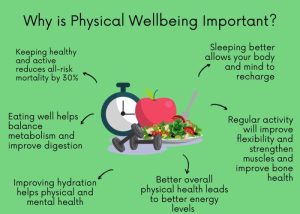
Regular exercise plays a crucial role in preventing chronic diseases and promoting overall health. By incorporating physical activity into daily routines, individuals can experience a wide range of benefits that contribute to disease prevention and improved well-being.
Benefits of Regular Exercise
- Improves cardiovascular health: Regular exercise helps strengthen the heart and improve circulation, reducing the risk of heart disease and stroke.
- Enhances mental well-being: Physical activity releases endorphins, which can reduce feelings of stress, anxiety, and depression.
- Boosts immune function: Exercise can help support a healthy immune system, reducing the risk of infections and illnesses.
- Manages weight: Regular physical activity can help individuals maintain a healthy weight or lose excess body fat, reducing the risk of obesity-related conditions.
Low-Impact and High-Impact Exercises
- Low-impact exercises: Examples include walking, swimming, cycling, and yoga. These exercises are gentle on the joints and are suitable for individuals of all fitness levels.
- High-impact exercises: Examples include running, jumping rope, and aerobic dance. These exercises are more intense and can help improve cardiovascular fitness and strength.
Improving Overall Health
Regular physical activity can significantly improve overall health by:
- Increasing energy levels and stamina.
- Strengthening muscles and bones.
- Improving flexibility and balance.
- Enhancing sleep quality.
- Reducing the risk of chronic conditions such as diabetes, hypertension, and certain types of cancer.
Mental Health
Maintaining good mental health is crucial for preventing chronic diseases as it plays a significant role in influencing overall well-being. The connection between mental health and chronic disease prevention lies in the impact of stress, anxiety, and depression on the body’s immune system and physical health.
Strategies for Maintaining Good Mental Health
- Adequate Sleep: Getting enough quality sleep is essential for mental health and overall well-being.
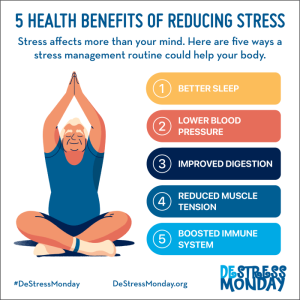
- Stress Management: Engage in activities like meditation, yoga, or deep breathing exercises to reduce stress levels.
- Healthy Relationships: Surround yourself with supportive and positive relationships to improve mental health.
- Physical Activity: Regular exercise releases endorphins that help boost mood and alleviate symptoms of anxiety and depression.
- Seeking Help: Don’t hesitate to seek professional help if needed through therapy or counseling.
Influence of Mental Health on Physical Health and the Immune System
Maintaining good mental health positively impacts physical health and the immune system. Chronic stress, anxiety, and depression weaken the immune system, making individuals more susceptible to various illnesses and chronic diseases. By prioritizing mental well-being, individuals can enhance their overall health and reduce the risk of developing long-term health conditions.
Holistic Wellness
Holistic wellness is a comprehensive approach to health that considers the individual as a whole, integrating physical, mental, and emotional well-being. By addressing all aspects of wellness, holistic practices aim to prevent chronic diseases by promoting balance and harmony within the body and mind.
Practices for Holistic Health
- Regular exercise: Engaging in physical activity not only boosts physical health but also has positive effects on mental and emotional well-being.
- Mindfulness and meditation: Practices like mindfulness and meditation help reduce stress, improve focus, and enhance overall mental wellness.
- Healthy eating habits: Consuming a balanced diet rich in nutrients supports physical health and contributes to mental clarity and emotional stability.
- Connecting with nature: Spending time outdoors and connecting with nature can have a calming effect on the mind and body, promoting overall wellness.
Benefits of Holistic Approach to Wellness
- Preventative care: By addressing all aspects of wellness, a holistic approach can help identify and address potential health issues before they escalate into chronic diseases.
- Improved quality of life: Holistic practices promote overall well-being, leading to a higher quality of life and increased resilience against illnesses.
- Enhanced self-awareness: Engaging in holistic practices encourages self-reflection and awareness, empowering individuals to take control of their health and make informed choices.
Chronic Diseases: How To Prevent Chronic Diseases Through Lifestyle Changes
Chronic diseases are long-term health conditions that persist over an extended period, often for a year or more. These conditions typically progress slowly and may require ongoing management to control symptoms and prevent complications. Unlike acute illnesses, which have a sudden onset and usually resolve relatively quickly, chronic diseases can impact a person’s quality of life for an extended period.
Common Chronic Conditions and Risk Factors
- Heart Disease: Risk factors include high blood pressure, high cholesterol, smoking, and obesity.
- Diabetes: Risk factors include obesity, physical inactivity, and poor diet.
- Cancer: Risk factors can vary depending on the type of cancer but may include smoking, excessive sun exposure, and genetic factors.
- Stroke: Risk factors include high blood pressure, smoking, and diabetes.
Lifestyle choices such as smoking, poor diet, physical inactivity, and excessive alcohol consumption can significantly increase the risk of developing chronic diseases.
Impact of Lifestyle Choices on Chronic Diseases
Our daily habits and behaviors play a crucial role in the development and progression of chronic diseases. Making positive lifestyle changes can help reduce the risk of these conditions and improve overall health and well-being.
- Regular exercise can lower the risk of heart disease, diabetes, and stroke.
- A balanced diet rich in fruits, vegetables, whole grains, and lean proteins can help prevent obesity and reduce the risk of chronic conditions.
- Managing stress through relaxation techniques and seeking support for mental health can also contribute to overall well-being and reduce the risk of chronic diseases.
Immunity Boosters
Boosting immunity naturally is essential for preventing diseases and maintaining overall health. By incorporating certain vitamins, minerals, and antioxidants into your diet, along with adopting healthy lifestyle habits, you can strengthen your immune system and reduce the risk of chronic illnesses.
Role of Vitamins, Minerals, and Antioxidants
Essential vitamins, such as Vitamin C, Vitamin D, and Vitamin E, play a crucial role in supporting immune function. Minerals like Zinc and Selenium also help in boosting immunity. Antioxidants, found in fruits and vegetables, protect cells from damage and strengthen the immune system.
Lifestyle Habits for Immunity Enhancement
- Adequate Sleep: Aim for 7-9 hours of quality sleep each night to support immune function.
- Regular Exercise: Engage in physical activity to boost circulation and enhance immune response.
- Healthy Diet: Eat a balanced diet rich in fruits, vegetables, whole grains, lean proteins, and healthy fats to provide essential nutrients for immune health.
- Stress Management: Practice relaxation techniques such as meditation, yoga, or deep breathing to reduce stress levels and support immunity.
- Hydration: Drink plenty of water throughout the day to help flush out toxins and keep your immune system functioning optimally.
User Queries
Can lifestyle changes really prevent chronic diseases effectively?
Yes, adopting healthy lifestyle habits can significantly lower the risk of developing chronic conditions.
How important is mental wellness in preventing chronic diseases?
Mental wellness plays a crucial role in overall health and can help prevent chronic illnesses through stress management and emotional well-being.
What are some examples of preventive care measures for chronic diseases?
Regular health check-ups, screenings, vaccinations, and early detection strategies are vital for preventing chronic illnesses.
How does a balanced diet contribute to disease prevention?
A balanced diet rich in nutrients can boost immunity, support overall health, and reduce the risk of chronic diseases.
Is regular exercise necessary for preventing chronic conditions?
Regular physical activity is essential for maintaining good health, improving immunity, and reducing the risk of chronic diseases.


More Stories
Benefits of holistic approaches to chronic disease management: Improving Health Holistically
Importance of hydration for a healthy immune system: Key to a Strong Immunity
Importance of regular screenings for chronic disease detection: Early detection for better health outcomes