Mental Wellness
Importance of mental wellness in daily life – Mental wellness plays a crucial role in our daily lives, impacting how we think, feel, and act. It involves finding a balance in all aspects of life, including emotional, psychological, and social well-being.
Importance of Mental Wellness
Prioritizing mental wellness can lead to a range of benefits that contribute to overall well-being and quality of life. Here are some examples of how mental wellness impacts daily routines:
- Improved Productivity: When our mental health is in check, we are better able to focus, make decisions, and perform tasks efficiently.
- Enhanced Relationships: Mental wellness allows us to communicate effectively, empathize with others, and maintain healthy connections with friends and family.
- Reduced Stress: Taking care of our mental health can help lower stress levels, leading to better physical health and a higher sense of well-being.
- Increased Resilience: A strong foundation of mental wellness can help us cope with challenges, setbacks, and uncertainties more effectively.
Physical Fitness
Regular physical activity plays a crucial role in maintaining both physical health and mental well-being. The relationship between physical fitness and mental wellness is undeniable, as engaging in exercise releases endorphins in the brain, which are known as “feel-good” hormones. This chemical reaction can help reduce feelings of stress, anxiety, and depression, leading to an overall improvement in mood and mental health.
Benefits of Physical Activity for Mental Health
- Reduces stress and anxiety levels: Exercise can act as a natural stress reliever by decreasing the body’s stress hormones and increasing the production of endorphins.
- Improves mood: Physical activity can enhance mood by promoting the release of neurotransmitters like serotonin and dopamine, which are associated with feelings of happiness and well-being.
- Boosts self-esteem: Regular exercise can help boost self-confidence and self-esteem by achieving fitness goals and feeling a sense of accomplishment.
- Enhances cognitive function: Physical fitness is linked to improved cognitive function, memory, and focus, which can contribute to better mental clarity and overall well-being.
Incorporating Exercise into Daily Routines
It is essential to make physical activity a priority in our daily routines to support mental well-being. Whether it’s a brisk walk, a yoga session, or a workout at the gym, finding activities that we enjoy and can commit to regularly is key. Setting realistic goals, creating a schedule, and staying consistent can help make exercise a habit that positively impacts our mental health.
Healthy Eating
Healthy eating habits play a crucial role in influencing our mental wellness. The foods we consume can impact our mood, energy levels, and overall brain function.
Foods that Promote Good Mental Health
- Eating foods rich in omega-3 fatty acids such as salmon, walnuts, and flaxseeds can help improve brain health and reduce symptoms of depression.
- Dark leafy greens like spinach and kale contain folate, which is essential for proper brain function and can help reduce the risk of cognitive decline.
- Whole grains like oatmeal, quinoa, and brown rice provide a steady supply of energy to the brain, helping to improve focus and concentration.
- Berries, especially blueberries, are packed with antioxidants that can help protect the brain from oxidative stress and improve memory.
The Connection Between a Balanced Diet and Overall Well-being
A balanced diet that includes a variety of nutrient-dense foods is essential for maintaining overall well-being, both physically and mentally. Nutrients like vitamins, minerals, and antioxidants play a key role in supporting brain health and cognitive function. By fueling our bodies with the right nutrients, we can improve our mood, reduce stress, and boost our mental clarity. In contrast, a diet high in processed foods, sugar, and unhealthy fats can lead to inflammation in the body and negatively impact our mental health.
Preventive Care
Maintaining mental wellness through preventive care is crucial in promoting overall well-being. By focusing on proactive measures, individuals can reduce the risk of developing mental health issues and improve their quality of life.
Role of Preventive Care
Preventive care plays a vital role in mental wellness by identifying potential risk factors early on and implementing strategies to mitigate them. This can include regular mental health check-ups, stress management techniques, and lifestyle modifications to promote emotional resilience.
Strategies for Preventing Mental Health Issues
- Engage in regular physical activity to boost mood and reduce stress levels.
- Practice mindfulness and relaxation techniques to calm the mind and promote mental clarity.
- Maintain a healthy and balanced diet to support brain function and overall well-being.
- Establish a strong support system of friends and family members to provide emotional support during challenging times.
- Seek professional help or counseling when experiencing persistent negative thoughts or emotions.
Importance of Early Intervention
Early intervention is key in preventing mental health issues from escalating and impacting daily life. By addressing symptoms or risk factors at the onset, individuals can receive timely support and guidance to manage their mental well-being effectively.
Balanced Diet
Eating a balanced diet is crucial for maintaining good mental health. The nutrients we consume play a significant role in supporting our brain function and emotional well-being.
Essential Nutrients for Mental Well-being
A balanced diet should include a variety of nutrients that are essential for mental well-being. Some key nutrients that support brain health and emotional stability include:
- Omega-3 fatty acids: Found in fatty fish, flaxseeds, and walnuts, omega-3 fatty acids are important for brain function and reducing inflammation in the brain, which can improve mood and cognition.
- Vitamin B complex: B vitamins like B12 and folate are crucial for neurotransmitter function and the production of serotonin, a key neurotransmitter involved in regulating mood.
- Antioxidants: Found in fruits, vegetables, and nuts, antioxidants help protect brain cells from damage caused by free radicals and oxidative stress, which can improve cognitive function and lower the risk of mental health disorders.
- Protein: Amino acids from protein sources like lean meats, eggs, and legumes are important for the production of neurotransmitters that regulate mood, stress response, and cognitive function.
Supporting Cognitive Function and Emotional Stability
A balanced diet rich in essential nutrients can support cognitive function and emotional stability in several ways. By providing the necessary building blocks for neurotransmitters and promoting overall brain health, a balanced diet can:
- Enhance memory and concentration
- Improve mood and reduce symptoms of depression and anxiety
- Boost energy levels and reduce fatigue
- Enhance stress resilience and improve coping mechanisms
Regular Exercise
Regular exercise plays a crucial role in maintaining mental wellness. The benefits of incorporating physical activity into your daily routine go beyond just physical health. Exercise has been proven to have a positive impact on mental well-being by reducing stress, improving mood, and boosting overall cognitive function.
Types of Exercises for Mental Health
- Aerobic Exercise: Activities like running, swimming, or cycling can help reduce anxiety and depression while promoting the release of endorphins, also known as the “feel-good” hormones.
- Strength Training: Lifting weights or doing bodyweight exercises can increase self-esteem and improve cognitive function, leading to better mental clarity.
- Yoga and Pilates: These mind-body exercises focus on breathing and mindfulness, reducing stress levels and enhancing relaxation.
- Dance or Zumba: Moving to music can be a fun way to release tension, boost mood, and improve self-confidence.
Role of Physical Activity in Stress Reduction, Importance of mental wellness in daily life
Regular physical activity helps in reducing the levels of cortisol, the stress hormone, in the body. Exercise also promotes the production of endorphins, which act as natural painkillers and mood elevators. By engaging in regular exercise, individuals can effectively manage stress, anxiety, and other mental health conditions, leading to a more balanced and positive outlook on life.
Holistic Wellness
When we talk about holistic wellness, we are referring to the idea of treating the whole person – mind, body, and spirit – rather than just focusing on individual parts. This approach recognizes the interconnectedness of various aspects of health and well-being, including mental health.
Addressing Various Aspects of Wellness
By addressing various aspects of wellness such as mental wellness, physical fitness, healthy eating, preventive care, and balanced diet, we contribute to our overall well-being. Each of these components plays a vital role in maintaining a healthy and balanced lifestyle.
Holistic Approaches to Promoting Mental Wellness
- Practice mindfulness and meditation to reduce stress and improve mental clarity.
- Engage in regular physical exercise to boost mood and energy levels.
- Connect with nature to enhance mental well-being and reduce anxiety.
- Cultivate positive relationships and social connections for emotional support.
- Get enough quality sleep to support cognitive function and emotional regulation.
- Engage in creative activities to stimulate the mind and promote relaxation.
- Seek professional help or therapy when needed to address mental health concerns.
Chronic Diseases
Mental wellness plays a crucial role in managing chronic diseases, as it can significantly impact the overall quality of life for individuals dealing with such conditions. The relationship between mental health and the progression of chronic illnesses is undeniable, as emotional well-being can influence how well a person copes with their condition and adheres to treatment plans. Here are some strategies for maintaining mental well-being while dealing with chronic conditions:
Self-care and Stress Management
- Practice relaxation techniques such as deep breathing, meditation, or yoga to reduce stress levels.
- Engage in activities that bring joy and relaxation, such as hobbies, spending time in nature, or socializing with loved ones.
- Ensure adequate sleep and rest to support overall mental and physical health.
Seeking Support
- Connect with a therapist or counselor to address emotional challenges and develop coping strategies.
- Join support groups or online communities to share experiences and receive encouragement from others facing similar health concerns.
- Communicate openly with healthcare providers about any mental health concerns or struggles related to the chronic illness.
Healthy Lifestyle Choices
- Follow a balanced diet rich in nutrients to support both physical and mental well-being.
- Stay physically active within the limits of the chronic condition, as exercise can boost mood and reduce symptoms of anxiety and depression.
- Avoid harmful coping mechanisms such as excessive alcohol consumption or substance abuse, as they can worsen mental health and overall well-being.
Immunity Boosters
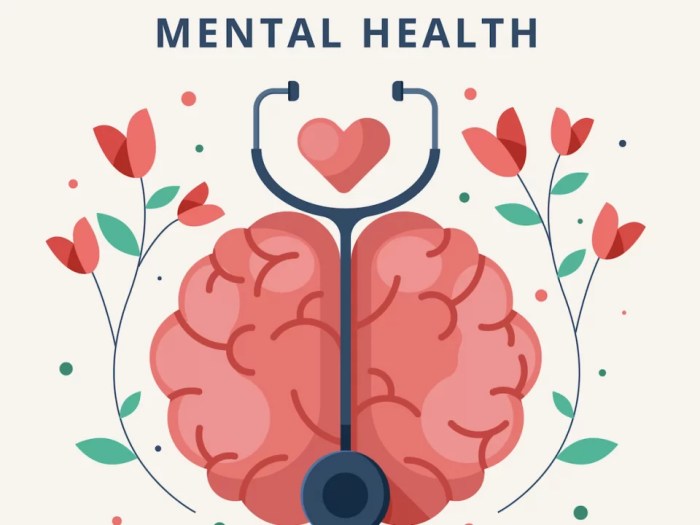
Maintaining mental wellness is closely linked to the functioning of our immune system. When we are stressed or anxious, our immune system can become weakened, making us more susceptible to illnesses. On the other hand, when we prioritize our mental health and manage stress effectively, it can have a positive impact on our immune system, helping to boost our overall health and well-being.
Immune-Boosting Practices for Mental Health
- Practice mindfulness and meditation to reduce stress levels and promote a sense of calm.
- Engage in regular physical activity, which can help improve mood and strengthen the immune system.
- Eat a balanced diet rich in fruits, vegetables, and whole grains to provide essential nutrients for overall health.
- Get enough quality sleep to support immune function and mental clarity.
- Stay connected with loved ones and maintain a strong support system for emotional well-being.
Contribution of a Strong Immune System to Mental Well-being
Maintaining a strong immune system is crucial for overall mental well-being. When our immune system is functioning optimally, it helps protect us from infections and diseases, reducing the physical burden on our bodies. This, in turn, can lead to lower stress levels and improved mental health. By taking care of our immune system through healthy lifestyle practices, we can enhance our resilience to stress and maintain a positive outlook on life.
Query Resolution: Importance Of Mental Wellness In Daily Life
How does mental wellness impact overall well-being?
Mental wellness significantly influences our overall well-being by affecting our emotional, psychological, and physical health. It plays a crucial role in how we cope with stress, relate to others, and make choices in our daily lives.
What are some examples of foods that promote good mental health?
Foods rich in omega-3 fatty acids, such as salmon and walnuts, are known to support brain health and improve mood. Dark leafy greens, berries, and whole grains are also beneficial for mental well-being.
How can preventive care help in maintaining mental wellness?
Preventive care involves taking proactive steps to address mental health issues before they escalate. Regular check-ups, stress management techniques, and seeking professional help when needed are essential in maintaining mental wellness.
What is the significance of a balanced diet for mental health?
A balanced diet provides essential nutrients that support brain function and emotional well-being. Nutrients like B vitamins, zinc, and magnesium play a key role in promoting mental health and cognitive function.
How does regular exercise benefit mental wellness?
Regular exercise releases endorphins, improves mood, reduces stress, and enhances cognitive function. Physical activity also promotes better sleep, which is vital for mental well-being.


More Stories
Benefits of holistic approaches to chronic disease management: Improving Health Holistically
Importance of hydration for a healthy immune system: Key to a Strong Immunity
Importance of regular screenings for chronic disease detection: Early detection for better health outcomes