Preventive care tips for maintaining heart health are essential for a long and fulfilling life. Your heart is the engine that drives your body, and taking care of it is crucial for overall well-being. Heart disease is a leading cause of death globally, but many risk factors are preventable through lifestyle modifications and proactive medical care.
This guide will delve into practical steps you can take to protect your heart, from adopting a heart-healthy diet and incorporating regular exercise into your routine to understanding the importance of regular medical checkups and screenings. We’ll explore how mental health and stress management play a vital role in cardiovascular health, and we’ll discuss the impact of chronic diseases on heart health and how to manage them effectively.
By understanding the principles of preventive care and embracing a holistic approach to wellness, you can significantly reduce your risk of heart disease and live a longer, healthier life.
Understanding Heart Health
Preventive care is crucial for maintaining a healthy heart and reducing the risk of heart disease. Taking proactive steps to protect your heart can significantly improve your overall well-being and longevity.
Common Risk Factors for Heart Disease
Heart disease is a complex condition influenced by a combination of factors, including genetics, lifestyle choices, and environmental exposures. Understanding these risk factors is essential for implementing preventive measures.
- Genetics:Family history of heart disease is a significant risk factor. Individuals with a genetic predisposition are more likely to develop heart problems.
- Lifestyle Choices:Unhealthy lifestyle choices contribute significantly to heart disease. These include:
- Smoking:Smoking damages blood vessels, increases blood pressure, and raises cholesterol levels, significantly increasing the risk of heart disease.
- Unhealthy Diet:A diet high in saturated and trans fats, cholesterol, and sodium can lead to high blood pressure, high cholesterol, and obesity, all of which increase the risk of heart disease.
- Lack of Physical Activity:Physical inactivity increases the risk of obesity, high blood pressure, and high cholesterol, all contributing to heart disease.
- Excessive Alcohol Consumption:Excessive alcohol consumption can lead to high blood pressure, irregular heartbeat, and heart muscle damage.
- Stress:Chronic stress can contribute to high blood pressure, unhealthy eating habits, and lack of physical activity, increasing the risk of heart disease.
- Environmental Factors:Environmental factors can also play a role in heart health. Air pollution, exposure to heavy metals, and other environmental toxins can contribute to cardiovascular disease.
Prevalence and Impact of Heart Disease
Heart disease is a leading cause of death worldwide. According to the World Health Organization, an estimated 17.9 million people died from heart disease in 2019.
- Prevalence:Heart disease affects millions of people globally. The prevalence varies across different regions and populations, but it remains a significant public health concern.
- Impact:Heart disease can have a devastating impact on individuals and society. It can lead to disability, reduced quality of life, and premature death. The financial burden associated with heart disease is also substantial, including medical expenses, lost productivity, and social costs.
Physical Fitness: Preventive Care Tips For Maintaining Heart Health
Getting regular exercise is crucial for maintaining a healthy heart. It helps strengthen your heart muscle, improve blood flow, and lower your risk of heart disease. Aim for at least 150 minutes of moderate-intensity aerobic activity or 75 minutes of vigorous-intensity aerobic activity per week.
Types of Exercise for Heart Health, Preventive care tips for maintaining heart health
Regular physical activity is a cornerstone of heart health. There are different types of exercise that can benefit your heart in various ways.
- Aerobic activity: Aerobic exercise, also known as cardio, gets your heart rate up and improves your cardiovascular system. Examples include brisk walking, running, swimming, cycling, and dancing. Aerobic activity helps strengthen your heart muscle, improve blood flow, and lower blood pressure.
- Resistance training: Resistance training, or strength training, involves using weights or your own body weight to build muscle. Examples include lifting weights, using resistance bands, and doing bodyweight exercises like push-ups and squats. Resistance training helps improve muscle mass, increase bone density, and lower blood pressure.
- Yoga: Yoga is a practice that combines physical postures, breathing techniques, and meditation. It can improve flexibility, balance, and strength. Yoga also helps reduce stress, which is a risk factor for heart disease.
Sample Workout Routine
Here’s a sample workout routine that incorporates cardiovascular exercises, strength training, and flexibility exercises:
Warm-up (5-10 minutes)
Start with a light warm-up to prepare your body for exercise. This could include:
- Light cardio, such as walking or jogging in place.
- Dynamic stretching, such as arm circles, leg swings, and torso twists.
Cardiovascular Exercise (20-30 minutes)
Choose an activity you enjoy and can sustain for the duration. This could be:
- Brisk walking
- Running
- Cycling
- Swimming
- Dancing
Strength Training (20-30 minutes)
Focus on major muscle groups, including legs, arms, chest, back, and shoulders. This could include:
- Squats
- Lunges
- Push-ups
- Pull-ups
- Dumbbell rows
- Bicep curls
- Triceps extensions
Cool-down (5-10 minutes)
End your workout with a cool-down to help your body recover. This could include:
- Light cardio, such as walking or jogging in place.
- Static stretching, such as holding each stretch for 30 seconds.
Benefits of Regular Exercise
Regular physical activity offers numerous benefits for heart health. These include:
- Improved cardiovascular function: Exercise strengthens your heart muscle, allowing it to pump blood more efficiently.
- Lowered blood pressure: Regular exercise can help lower both systolic and diastolic blood pressure.
- Reduced cholesterol levels: Exercise can help lower LDL (“bad”) cholesterol and raise HDL (“good”) cholesterol.
- Improved blood sugar control: Exercise helps your body use glucose more efficiently, which can lower your risk of developing type 2 diabetes.
- Weight management: Exercise can help you burn calories and maintain a healthy weight, which is important for heart health.
- Reduced stress: Exercise can help reduce stress hormones, which can lower your risk of heart disease.
Tips for Incorporating Exercise into Your Routine
- Start gradually: If you’re new to exercise, start slowly and gradually increase the intensity and duration of your workouts.
- Find an activity you enjoy: This will make it more likely that you’ll stick with it.
- Make it a habit: Schedule time for exercise each week and treat it like any other important appointment.
- Find a workout buddy: Having a workout partner can help you stay motivated and accountable.
- Listen to your body: Don’t push yourself too hard, especially when you’re first starting out.
Healthy Eating
A heart-healthy diet is crucial for maintaining good cardiovascular health. It involves consuming foods rich in essential nutrients and limiting those that can increase the risk of heart disease.
Dietary Guidelines for Heart Health
A heart-healthy diet emphasizes consuming a variety of fruits, vegetables, whole grains, lean protein sources, and healthy fats. This approach helps lower cholesterol levels, control blood pressure, and reduce the risk of heart disease.
- Fruits and Vegetables: Aim for at least five servings of fruits and vegetables daily. They are packed with vitamins, minerals, antioxidants, and fiber, which contribute to heart health.
- Whole Grains: Choose whole grains over refined grains. Whole grains are a good source of fiber, which helps lower cholesterol and regulate blood sugar levels. Look for foods labeled “100% whole grain” on the ingredient list.
- Lean Protein: Include lean protein sources in your diet, such as fish, poultry, beans, lentils, tofu, and nuts. These options are lower in saturated fat and cholesterol.
- Healthy Fats: Incorporate healthy fats, such as those found in olive oil, avocados, nuts, and fatty fish. These fats help lower LDL (bad) cholesterol and raise HDL (good) cholesterol.
- Limit Saturated and Trans Fats: Reduce your intake of saturated and trans fats found in red meat, butter, and processed foods. These fats can raise LDL cholesterol levels and increase the risk of heart disease.
- Limit Added Sugars: Minimize your consumption of added sugars found in sugary drinks, desserts, and processed foods. High sugar intake can contribute to weight gain, which can increase the risk of heart disease.
Role of Specific Nutrients in Heart Health
Several nutrients play a vital role in maintaining heart health.
- Fiber: Dietary fiber, found in fruits, vegetables, and whole grains, helps lower cholesterol levels and regulate blood sugar. It also promotes satiety, which can aid in weight management.
- Potassium: Potassium helps regulate blood pressure by counteracting the effects of sodium. Good sources of potassium include bananas, potatoes, and leafy green vegetables.
- Magnesium: Magnesium is involved in various bodily functions, including blood pressure regulation and muscle function. It can be found in almonds, spinach, and black beans.
- Omega-3 Fatty Acids: Omega-3 fatty acids, found in fatty fish like salmon, tuna, and mackerel, help lower triglycerides, reduce inflammation, and improve blood vessel function.
Heart-Healthy Meal Plans and Recipes
Here are examples of heart-healthy meal plans and recipes:
- Breakfast: Oatmeal with berries and nuts, whole-grain toast with avocado and a poached egg, Greek yogurt with fruit and granola.
- Lunch: Salad with grilled chicken or fish, lentil soup, whole-grain wrap with hummus and vegetables.
- Dinner: Baked salmon with roasted vegetables, chicken stir-fry with brown rice, vegetarian chili.
Sample Recipe: Grilled Salmon with Roasted VegetablesIngredients:* 1 pound salmon fillet
- 1 cup broccoli florets
- 1 cup Brussels sprouts, halved
- 1 red bell pepper, chopped
- 1 yellow bell pepper, chopped
- 2 tablespoons olive oil
- Salt and pepper to taste
Instructions:
- Preheat oven to 400°F (200°C).
- Toss broccoli, Brussels sprouts, and bell peppers with olive oil, salt, and pepper.
- Spread vegetables on a baking sheet and roast for 20-25 minutes, or until tender.
- While vegetables are roasting, season salmon with salt and pepper.
- Grill salmon for 4-6 minutes per side, or until cooked through.
- Serve salmon over roasted vegetables.
Preventive Care
Proactive measures play a crucial role in safeguarding your heart health. Regular medical checkups and screenings are essential for early detection and management of potential heart problems.
Importance of Regular Medical Checkups and Screenings
Regular medical checkups and screenings are crucial for maintaining heart health. They allow healthcare professionals to identify potential heart problems early on, when they are often easier to treat.
Key Tests and Procedures for Heart Health
Several tests and procedures are commonly used to assess heart health and detect early signs of heart disease:
Blood Pressure Checks
Blood pressure checks measure the force of blood pushing against the walls of your arteries. High blood pressure, also known as hypertension, is a major risk factor for heart disease. Regular blood pressure monitoring is essential for identifying and managing this condition.
Cholesterol Tests
Cholesterol tests measure the levels of different types of cholesterol in your blood. High levels of low-density lipoprotein (LDL) cholesterol, often referred to as “bad” cholesterol, can increase your risk of heart disease. Conversely, high levels of high-density lipoprotein (HDL) cholesterol, known as “good” cholesterol, can help protect your heart.
Electrocardiograms (EKGs)
An electrocardiogram (EKG) is a test that measures the electrical activity of your heart. It can detect abnormalities in your heart rhythm and identify signs of heart damage.
Other Tests and Procedures
Other tests and procedures that may be used to assess heart health include:
- Stress tests: These tests evaluate how your heart functions during physical exertion.
- Echocardiograms: These use sound waves to create images of your heart, allowing healthcare professionals to assess its structure and function.
- Cardiac Magnetic Resonance Imaging (CMRI): This advanced imaging technique provides detailed images of your heart, helping diagnose various heart conditions.
Role of Vaccinations and Preventive Medications
Vaccinations and preventive medications can play a significant role in maintaining heart health:
Vaccinations
Some vaccinations, such as the influenza (flu) vaccine, can help reduce the risk of heart complications. Flu can trigger inflammation and stress on the heart, particularly in individuals with pre-existing heart conditions.
Preventive Medications
Certain medications can help prevent heart disease and reduce the risk of complications. These medications may include:
- Statins: These medications lower cholesterol levels, reducing the risk of heart disease.
- Aspirin: Low-dose aspirin can help prevent blood clots, reducing the risk of heart attack and stroke.
- Blood pressure medications: These medications lower blood pressure, reducing the strain on your heart.
Balanced Diet
A balanced diet is a cornerstone of heart health. It provides your body with the essential nutrients it needs to function optimally, while minimizing the intake of substances that can harm your heart. By focusing on nutrient-rich foods and limiting processed foods, saturated fats, and added sugars, you can significantly reduce your risk of heart disease.
Recommended Daily Intake
A heart-healthy diet emphasizes fruits, vegetables, whole grains, lean protein, and healthy fats. Here’s a table outlining the recommended daily intake of different food groups:
| Food Group | Recommended Daily Intake |
|---|---|
| Fruits | 2 cups |
| Vegetables | 2.5 cups |
| Grains | 6 ounces |
| Protein Foods | 5.5 ounces |
| Dairy | 3 cups |
Healthy Snack and Meal Substitutions
Incorporating healthy snacks and meal substitutions can help maintain a balanced diet and reduce the temptation to reach for unhealthy options.
Healthy Snacks
Here are some examples of healthy snacks that can satisfy your cravings without compromising your heart health:
- A handful of almonds or walnuts
- A piece of fruit, such as an apple, banana, or orange
- A small container of Greek yogurt with berries
- A whole-wheat pita with hummus
- A handful of air-popped popcorn
Meal Substitutions
Here are some ideas for healthy meal substitutions that can help you stick to a balanced diet:
- Replace a burger with a grilled chicken or fish sandwich on a whole-wheat bun.
- Swap fried chicken for baked or roasted chicken.
- Choose brown rice or quinoa instead of white rice.
- Opt for baked sweet potato fries instead of regular fries.
- Substitute a smoothie for a milkshake.
Portion Control and Mindful Eating
Portion control and mindful eating are crucial for promoting heart health.
“Portion control involves consuming the appropriate amount of food, while mindful eating encourages paying attention to your body’s hunger and fullness cues.”
By practicing portion control and mindful eating, you can prevent overeating and reduce your intake of unhealthy foods.
Regular Exercise
Regular exercise is an essential pillar of heart health. It strengthens your heart muscle, improves blood flow, and helps control cholesterol levels. By engaging in a variety of exercises, you can significantly reduce your risk of heart disease and improve your overall well-being.
Types of Exercise for Heart Health, Preventive care tips for maintaining heart health
Different types of exercise offer unique benefits for heart health.
Aerobic Activity
Aerobic exercise, also known as cardio, is any activity that increases your heart rate and breathing. It helps improve cardiovascular fitness, strengthens your heart muscle, and lowers blood pressure. Examples include:
- Brisk walking
- Running
- Cycling
- Swimming
- Dancing
Resistance Training
Resistance training, also known as strength training, involves working against resistance to build muscle mass and strength. It helps improve blood sugar control, lower blood pressure, and increase bone density. Examples include:
- Weightlifting
- Bodyweight exercises (push-ups, squats, lunges)
- Resistance bands
Yoga
Yoga combines physical postures, breathing techniques, and meditation, offering numerous benefits for heart health. It improves flexibility, reduces stress, and lowers blood pressure.
Exercise Recommendations
The recommended duration and intensity of exercise vary based on age and fitness level. Here’s a table summarizing general guidelines:
| Age Group | Fitness Level | Duration | Intensity |
|---|---|---|---|
| 18-64 years | Sedentary | 150 minutes of moderate-intensity aerobic activity or 75 minutes of vigorous-intensity aerobic activity per week | Moderate: 50-70% of maximum heart rate. Vigorous: 70-85% of maximum heart rate |
| 18-64 years | Active | 300 minutes of moderate-intensity aerobic activity or 150 minutes of vigorous-intensity aerobic activity per week | Moderate: 50-70% of maximum heart rate. Vigorous: 70-85% of maximum heart rate |
| 65 years and older | Sedentary | 150 minutes of moderate-intensity aerobic activity or 75 minutes of vigorous-intensity aerobic activity per week | Moderate: 50-70% of maximum heart rate. Vigorous: 70-85% of maximum heart rate |
| 65 years and older | Active | 300 minutes of moderate-intensity aerobic activity or 150 minutes of vigorous-intensity aerobic activity per week | Moderate: 50-70% of maximum heart rate. Vigorous: 70-85% of maximum heart rate |
Finding Enjoyable Forms of Exercise
The key to long-term adherence to an exercise program is finding activities you enjoy. If you don’t enjoy your workouts, you’re less likely to stick with them. Experiment with different activities, try group fitness classes, or find a workout buddy to keep you motivated.
“Make exercise a habit, not a chore.”
Mental Health
Your mental well-being is inextricably linked to your heart health. Chronic stress, anxiety, and depression can significantly impact your cardiovascular system, increasing your risk of heart disease.
Impact of Stress, Anxiety, and Depression on Heart Health
Stress, anxiety, and depression can have a profound impact on your cardiovascular health. When you experience stress, your body releases hormones like adrenaline and cortisol, which can temporarily increase your heart rate and blood pressure. Chronic stress can lead to:
- Increased risk of heart disease:Prolonged exposure to stress hormones can damage blood vessels, increase inflammation, and contribute to the buildup of plaque in arteries, all of which increase the risk of heart attack, stroke, and other cardiovascular problems.
- Irregular heartbeat:Stress can trigger episodes of irregular heartbeat, also known as arrhythmias, which can be dangerous if they become frequent or severe.
- High blood pressure:Stress can cause a spike in blood pressure, and if it persists, it can lead to chronic high blood pressure, which is a major risk factor for heart disease.
Anxiety and depression can also contribute to heart health problems. Studies have shown that people with anxiety disorders are more likely to develop heart disease, and depression has been linked to an increased risk of heart attack and stroke.
Managing Stress and Improving Mental Well-being
Taking proactive steps to manage stress and improve your mental well-being is essential for maintaining good heart health. Here are some effective strategies:
- Relaxation techniques:Deep breathing exercises, meditation, yoga, and progressive muscle relaxation can help calm your mind and body, reducing stress hormone levels.
- Mindfulness practices:Mindfulness involves focusing on the present moment without judgment. It can help you become more aware of your thoughts and feelings, allowing you to manage stress more effectively.
- Social support:Strong social connections provide a buffer against stress and promote overall well-being. Connect with loved ones, join social groups, or volunteer to build a supportive network.
- Regular exercise:Physical activity releases endorphins, which have mood-boosting effects. Aim for at least 30 minutes of moderate-intensity exercise most days of the week.
- Healthy diet:Eating a balanced diet rich in fruits, vegetables, and whole grains can improve your mood and energy levels, reducing stress and anxiety.
- Adequate sleep:Sleep deprivation can increase stress levels and negatively impact your heart health. Aim for 7-8 hours of quality sleep each night.
Role of Mental Health Professionals
Mental health professionals, such as psychologists, psychiatrists, and therapists, can play a vital role in supporting your heart health. They can help you:
- Identify and manage stress, anxiety, and depression:Mental health professionals can provide therapy, medication, or a combination of both to address underlying mental health conditions that may be contributing to your heart health problems.
- Develop coping mechanisms:They can teach you effective strategies for managing stress, anxiety, and depression, helping you develop healthy coping mechanisms that can improve your overall well-being.
- Promote healthy lifestyle changes:Mental health professionals can help you make lifestyle changes that support your heart health, such as adopting a balanced diet, engaging in regular exercise, and getting enough sleep.
Holistic Wellness
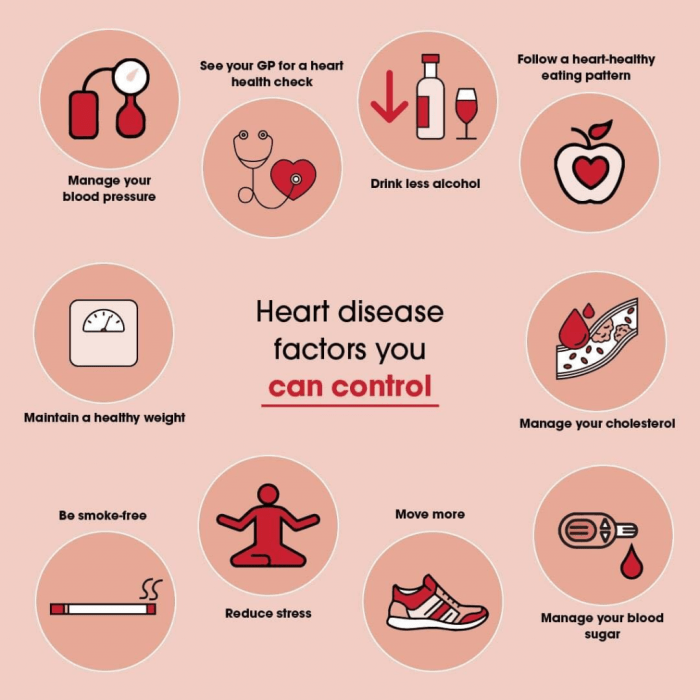
Holistic wellness encompasses a comprehensive approach to health, recognizing that physical, mental, and emotional well-being are interconnected. This approach emphasizes the importance of addressing all aspects of a person’s life to achieve optimal health and well-being. By incorporating holistic practices into daily life, individuals can significantly enhance their heart health and overall quality of life.
Mindfulness, Meditation, and Gratitude
Mindfulness, meditation, and gratitude are powerful tools for promoting heart health. Mindfulness involves paying attention to the present moment without judgment, fostering a sense of awareness and acceptance. Meditation, a practice rooted in mindfulness, involves focusing the mind on a single point, such as breath or a mantra, to cultivate calmness and reduce stress.
Practicing gratitude involves focusing on the positive aspects of life, fostering appreciation and contentment. These practices can help reduce stress, lower blood pressure, and improve overall well-being, all of which contribute to heart health.
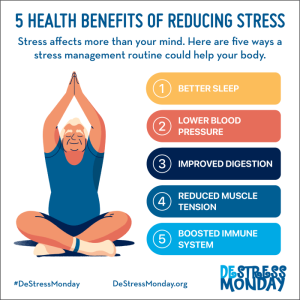
Benefits of Sleep, Hydration, and Stress Management
Adequate sleep is crucial for heart health. During sleep, the body repairs and rejuvenates itself, regulating blood pressure and heart rate. Chronic sleep deprivation, on the other hand, can lead to increased stress, inflammation, and an elevated risk of heart disease.
Staying hydrated is equally important for heart health. Water helps regulate blood pressure, transport nutrients, and remove waste products from the body. Dehydration can lead to increased blood viscosity, making it harder for the heart to pump blood efficiently. Effective stress management is essential for maintaining heart health.
Chronic stress can trigger the release of hormones that increase blood pressure, heart rate, and inflammation. Techniques such as deep breathing exercises, yoga, and meditation can help reduce stress levels and promote relaxation.
Chronic Diseases
Chronic diseases, such as diabetes, obesity, and high blood pressure, are often linked to heart disease. These conditions can put extra strain on your heart, increasing your risk of developing heart problems. Understanding the relationship between these chronic diseases and heart health is crucial for taking proactive steps to protect your cardiovascular well-being.
Managing Chronic Diseases
Managing chronic diseases effectively is essential for reducing the risk of heart disease. This involves working closely with your healthcare provider to create a personalized management plan that addresses your specific needs.
Lifestyle Modifications
Lifestyle modifications play a vital role in managing chronic diseases and reducing heart disease risk. These changes can include:
- Maintaining a healthy weight: Losing even a small amount of weight can significantly improve your heart health, especially if you have obesity.
- Eating a balanced diet: Focus on consuming fruits, vegetables, whole grains, and lean protein while limiting processed foods, sugary drinks, and unhealthy fats.
- Engaging in regular physical activity: Aim for at least 150 minutes of moderate-intensity aerobic activity or 75 minutes of vigorous-intensity aerobic activity per week.
- Quitting smoking: Smoking damages blood vessels and increases the risk of heart disease, stroke, and other health problems.
- Managing stress: Chronic stress can contribute to high blood pressure and other cardiovascular issues. Finding healthy ways to manage stress, such as exercise, meditation, or spending time in nature, can be beneficial.
Medication
In some cases, medication may be necessary to manage chronic diseases and reduce heart disease risk. Your healthcare provider will determine the appropriate medications based on your individual needs and health conditions.
- Diabetes: Medications can help regulate blood sugar levels and reduce the risk of complications, including heart disease.
- High Blood Pressure: Medications can lower blood pressure and reduce the strain on your heart.
- High Cholesterol: Medications can lower cholesterol levels and reduce the risk of plaque buildup in your arteries.
Immunity Boosters
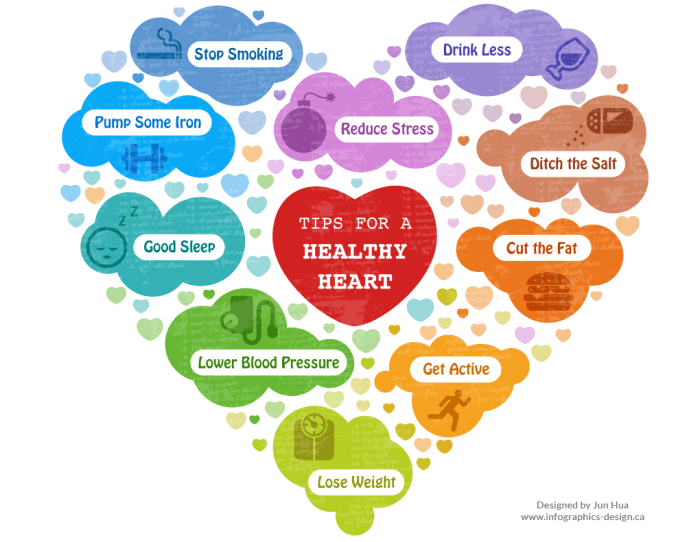
A robust immune system is crucial for overall health, including protecting your heart. When your immune system is strong, it can effectively fight off infections and inflammation, which are both risk factors for heart disease.
Boosting Your Immune System
A strong immune system is essential for protecting your heart. By incorporating these foods and habits into your lifestyle, you can help strengthen your body’s natural defenses against heart disease.
Foods to Boost Immunity
- Fruits and Vegetables:Fruits and vegetables are packed with antioxidants and vitamins that support a healthy immune system. Aim for a variety of colorful fruits and vegetables, such as berries, leafy greens, citrus fruits, and bell peppers.
- Garlic and Onions:These pungent vegetables contain compounds that have antimicrobial and anti-inflammatory properties. Regular consumption can help boost your immune response.
- Yogurt and Kefir:These fermented dairy products are rich in probiotics, which are beneficial bacteria that support gut health. A healthy gut microbiome plays a vital role in immune function.
- Nuts and Seeds:Nuts and seeds are excellent sources of vitamins, minerals, and healthy fats that contribute to a strong immune system. Include almonds, walnuts, chia seeds, and flaxseeds in your diet.
- Lean Protein:Lean protein sources, such as chicken, fish, and beans, provide essential amino acids that are building blocks for immune cells.
Lifestyle Habits for a Strong Immune System
- Regular Exercise:Physical activity helps improve circulation, boosts the immune system, and reduces stress, all of which contribute to heart health.
- Adequate Sleep:Getting enough sleep is crucial for immune function. When you’re sleep-deprived, your body produces fewer immune cells, making you more susceptible to illness.
- Hydration:Staying hydrated is essential for maintaining a healthy immune system. Water helps flush out toxins and supports the proper functioning of immune cells.
- Stress Management:Chronic stress weakens the immune system. Practice stress-reducing techniques like yoga, meditation, or deep breathing exercises to support your immune health.
Conclusive Thoughts
Taking charge of your heart health is a journey, not a destination. It involves making conscious choices that contribute to a healthier lifestyle. By incorporating these preventive care tips into your daily routine, you’re investing in your future and setting the stage for a healthier, happier you.
Remember, every step you take towards a heart-healthy lifestyle is a step towards a longer, more fulfilling life.
FAQ Guide
What are some common signs of heart disease?
Common signs of heart disease can include chest pain, shortness of breath, fatigue, dizziness, and swelling in the legs or ankles. If you experience any of these symptoms, it’s important to seek medical attention promptly.
How often should I get my blood pressure checked?
It’s recommended to have your blood pressure checked at least once a year, or more frequently if you have high blood pressure or other risk factors for heart disease.
Can stress really affect my heart health?
Yes, chronic stress can contribute to heart disease. Stress hormones can raise blood pressure, increase heart rate, and contribute to inflammation, all of which can put strain on the heart.
Is there a specific type of exercise that’s best for heart health?
A combination of aerobic exercises, like brisk walking or swimming, and strength training is ideal for heart health. Aim for at least 30 minutes of moderate-intensity exercise most days of the week.

More Stories
Herbal Remedies for Boosting Immunity During Flu Season
Holistic Wellness: Key to Long-Term Health
Preventive Care: Tips for a Healthy Life & Longevity