The Importance of regular exercise for muscle strength and endurance is a cornerstone of a healthy and active lifestyle. Regular physical activity plays a crucial role in building and maintaining muscle mass, enhancing endurance, and improving overall physical function.
From the microscopic level of muscle fiber adaptation to the macroscopic benefits of increased power and reduced injury risk, exercise offers a comprehensive approach to optimizing physical well-being.
Understanding the science behind muscle growth and endurance is essential for designing effective exercise programs. Resistance training, cardiovascular exercise, and high-intensity interval training (HIIT) each contribute unique benefits to muscle development. Progressive overload, a gradual increase in exercise intensity or volume, is key to stimulating muscle growth and adaptation.
Proper exercise technique is also crucial for maximizing gains and minimizing the risk of injury.
The Science Behind Muscle Strength and Endurance
Regular exercise is crucial for building muscle strength and endurance, but understanding the underlying science can further illuminate its benefits. This section will delve into the physiological processes that drive muscle growth and adaptation, explaining how different types of muscle fibers contribute to strength and endurance, and highlighting how exercise triggers muscle protein synthesis.
Muscle Growth and Strength Development
Muscle growth, known as hypertrophy, is a complex process involving a series of physiological events. It’s not simply about making muscles bigger; it’s about enhancing their ability to generate force. Here’s a breakdown of the key processes:
- Muscle Fiber Damage:When you lift weights or engage in resistance training, you cause microscopic tears in your muscle fibers. This damage triggers a repair process, leading to muscle growth.
- Inflammation and Satellite Cell Activation:The damage also triggers inflammation, which is a natural response to injury. This inflammation signals the activation of satellite cells, which are stem cells residing near muscle fibers.
- Protein Synthesis:Satellite cells differentiate into muscle cells and begin synthesizing new proteins, including myosin and actin, which are the building blocks of muscle fibers. This process, called muscle protein synthesis, is crucial for muscle growth and repair.
- Muscle Fiber Hypertrophy:As the muscle fibers repair and synthesize new proteins, they become larger and stronger. This increase in size and strength is known as hypertrophy.
Muscle Fiber Types and Their Roles
Not all muscle fibers are created equal. They differ in their structure and function, contributing to different aspects of strength and endurance.
- Fast-Twitch Muscle Fibers (Type II):These fibers are powerful and contract quickly, but they fatigue rapidly. They are primarily responsible for explosive movements, like sprinting or jumping.
- Slow-Twitch Muscle Fibers (Type I):These fibers are smaller and contract more slowly, but they are highly resistant to fatigue. They are essential for sustained activities, like endurance running or swimming.
Exercise and Muscle Protein Synthesis
Regular exercise, particularly resistance training, is a powerful stimulus for muscle protein synthesis. Here’s how it works:
- Mechanical Tension:Resistance training creates mechanical tension on muscle fibers, triggering the signaling pathways that initiate muscle protein synthesis.
- Muscle Damage:As mentioned earlier, the microscopic tears in muscle fibers during exercise activate satellite cells and promote protein synthesis.
- Metabolic Stress:Resistance training also leads to metabolic stress, which further stimulates muscle protein synthesis. This stress can be seen in the form of increased lactate production and reduced muscle glycogen levels.
“Regular exercise, particularly resistance training, is a powerful stimulus for muscle protein synthesis.”
Benefits of Regular Exercise for Muscle Strength and Endurance
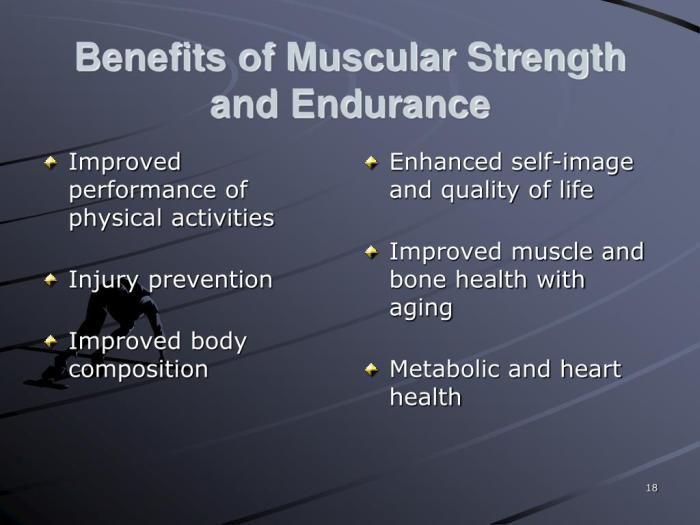
Regular exercise, particularly a combination of resistance training and cardiovascular activities, significantly enhances muscle strength and endurance, leading to numerous physical and mental benefits. These benefits extend beyond just improved athletic performance and contribute to overall well-being.
Increased Power and Functional Capacity
Regular exercise, particularly resistance training, directly increases muscle mass and strength. This translates to enhanced power, allowing individuals to perform daily activities with greater ease and efficiency. For example, carrying groceries, climbing stairs, and lifting heavy objects become less strenuous.
Increased muscle mass also improves functional capacity, allowing individuals to engage in physical activities for longer durations without experiencing fatigue.
Improved Functional Capacity
Enhanced muscle strength and endurance contribute to improved functional capacity, making everyday tasks easier and more enjoyable. This translates to increased mobility, reduced risk of falls, and improved balance. The ability to perform daily activities with greater ease and less effort contributes to a sense of independence and improved quality of life.
Reduced Risk of Injuries
Stronger muscles act as natural shock absorbers, protecting joints from excessive stress and strain. This reduces the risk of injuries, especially during physical activities or falls. For example, stronger core muscles help stabilize the spine, reducing the risk of back injuries.
Additionally, increased muscle mass improves balance and coordination, further reducing the risk of falls.
Different Types of Exercise for Building Muscle Strength and Endurance
Various types of exercise contribute to muscle strength and endurance, each with unique benefits.
Resistance Training
Resistance training, such as weightlifting, bodyweight exercises, and resistance bands, directly targets muscle fibers, stimulating growth and strength. It is crucial for building muscle mass and increasing strength. Resistance training also improves bone density, reducing the risk of osteoporosis.
Examples of resistance training exercises include squats, deadlifts, bench presses, and pull-ups.
Cardiovascular Exercise
Cardiovascular exercise, like running, swimming, cycling, and dancing, enhances cardiovascular health and endurance. While not directly targeting muscle growth, cardiovascular exercise increases muscle efficiency and improves oxygen delivery to the muscles, enhancing endurance. It also contributes to overall fitness and improves mood.
High-Intensity Interval Training (HIIT)
HIIT involves short bursts of intense exercise followed by brief recovery periods. This type of training is highly effective for improving both strength and endurance, as it challenges the body in a short time. HIIT can be incorporated into both resistance training and cardiovascular exercise routines.
Progressive Overload and Proper Exercise Technique
Progressive overload is a fundamental principle of exercise, involving gradually increasing the intensity, duration, or frequency of workouts to challenge the muscles and stimulate further growth. This could involve increasing the weight lifted, the number of repetitions, or the duration of exercise.
Proper exercise technique is equally crucial for maximizing muscle gains and minimizing the risk of injury. Focus on using correct form and engaging the target muscle groups effectively.
“Progressive overload is the key to muscle growth and strength development. It ensures that muscles are constantly challenged and adapt to the demands placed upon them.”
Importance of Regular Exercise for Overall Health: Importance Of Regular Exercise For Muscle Strength And Endurance
Regular exercise, especially focused on building muscle strength and endurance, offers a multitude of benefits that extend far beyond just physical appearance. It acts as a cornerstone for a healthy and fulfilling life, impacting various aspects of our well-being.
Impact on Chronic Diseases
Regular exercise plays a vital role in reducing the risk of developing chronic diseases. By strengthening muscles and improving cardiovascular health, exercise helps control blood sugar levels, lowers blood pressure, and improves cholesterol levels. This significantly reduces the risk of developing conditions like type 2 diabetes, heart disease, and stroke.
Enhanced Bone Density
Weight-bearing exercises, such as walking, running, and weightlifting, are particularly effective in increasing bone density. As we age, bone density naturally decreases, increasing the risk of osteoporosis and fractures. Regular exercise helps counteract this decline, making bones stronger and more resistant to injury.
Improved Metabolic Function
Regular exercise enhances metabolic function, improving the body’s ability to use energy and regulate blood sugar levels. It helps increase insulin sensitivity, making it easier for the body to utilize glucose for energy. This improved metabolic function is crucial for maintaining a healthy weight, preventing metabolic disorders, and boosting overall energy levels.
Positive Impact on Mental Health
Beyond physical benefits, regular exercise has a profound impact on mental health. Exercise releases endorphins, which have mood-boosting effects, reducing stress, anxiety, and depression. It also improves sleep quality, promotes relaxation, and enhances cognitive function.
Improved Mood and Cognitive Function
Regular exercise can significantly improve mood and cognitive function. The release of endorphins during exercise has a positive impact on mood, reducing feelings of stress and anxiety. Additionally, exercise improves blood flow to the brain, enhancing cognitive function, memory, and concentration.
Recommended Exercise Guidelines
The following table Artikels the recommended exercise guidelines for different age groups and fitness levels, based on the American College of Sports Medicine (ACSM) guidelines:
| Age Group | Fitness Level | Recommended Exercise |
|---|---|---|
| 18-64 | Sedentary | At least 150 minutes of moderate-intensity aerobic activity or 75 minutes of vigorous-intensity aerobic activity per week. |
| 18-64 | Active | At least 300 minutes of moderate-intensity aerobic activity or 150 minutes of vigorous-intensity aerobic activity per week. |
| 65+ | Sedentary | At least 150 minutes of moderate-intensity aerobic activity or 75 minutes of vigorous-intensity aerobic activity per week. |
| 65+ | Active | At least 300 minutes of moderate-intensity aerobic activity or 150 minutes of vigorous-intensity aerobic activity per week. |
Note: It is important to consult with a healthcare professional before starting any new exercise program, especially if you have any underlying health conditions.
Practical Tips for Incorporating Regular Exercise
Integrating regular exercise into your daily routine can seem daunting, but it’s achievable with a structured approach and practical strategies. Starting slow, setting realistic goals, and finding enjoyable activities are key to building sustainable exercise habits.
Starting an Exercise Program Safely and Effectively
Before embarking on any exercise program, it’s crucial to consult your doctor, especially if you have underlying health conditions. A gradual approach is key to minimizing injury risk and maximizing progress.
- Start Slow and Gradually Increase Intensity: Begin with short exercise sessions (10-15 minutes) and gradually increase the duration and intensity as your fitness level improves. This helps your body adapt to the demands of exercise.
- Focus on Proper Form: Proper form is essential to prevent injuries and maximize results. If you’re unsure about proper technique, seek guidance from a certified personal trainer or fitness professional.
- Listen to Your Body: Pay attention to your body’s signals. If you experience pain, stop the exercise and consult a healthcare professional. Rest and recovery are crucial for muscle repair and growth.
- Include Variety: Engaging in different types of exercise helps prevent boredom and challenges different muscle groups. Mix cardio (running, swimming, cycling) with strength training (weightlifting, bodyweight exercises) for a well-rounded routine.
Incorporating Regular Exercise into a Busy Lifestyle
Finding time for exercise amidst a busy schedule can be challenging, but with some planning and creativity, it’s possible.
- Schedule Exercise Like Important Appointments: Block out specific times in your calendar for exercise, treating it with the same priority as work meetings or other commitments.
- Break Down Exercise into Smaller Chunks: Instead of aiming for a single long workout, break it down into shorter sessions throughout the day. A 10-minute walk during your lunch break or a quick workout during commercial breaks can make a difference.
- Find Activities You Enjoy: If you find exercise enjoyable, you’re more likely to stick with it. Experiment with different activities until you find ones you genuinely enjoy, such as dancing, hiking, or playing a sport.
- Incorporate Exercise into Daily Routines: Walk or bike to work or errands, take the stairs instead of the elevator, and stand up and move around every hour while working at a desk.
Resources and Tools for Fitness Success
Numerous resources and tools can support you on your fitness journey, providing guidance, motivation, and accountability.
- Fitness Apps: Many fitness apps offer personalized workout plans, track progress, and provide motivation. Some popular options include Nike Training Club, Peloton, and MyFitnessPal.
- Online Fitness Communities: Joining online fitness communities can provide support, inspiration, and accountability from others with similar goals. These communities often offer challenges, tips, and encouragement.
- Personal Trainers: A certified personal trainer can provide personalized guidance, create a tailored workout plan, and help you achieve your fitness goals. They can also teach proper form and provide motivation.
The Role of Nutrition in Supporting Muscle Strength and Endurance
A balanced diet is essential for building and maintaining muscle strength and endurance. Proper nutrition fuels your workouts, supports muscle growth and recovery, and enhances overall athletic performance.
The Importance of a Balanced Diet for Muscle Growth and Recovery, Importance of regular exercise for muscle strength and endurance
A balanced diet provides your body with the essential nutrients needed for muscle growth and repair. When you engage in strenuous exercise, your muscles experience microscopic tears. These tears are a natural part of the muscle-building process. However, adequate nutrition is crucial for repairing these tears and promoting muscle growth.
The Role of Protein, Carbohydrates, and Healthy Fats in Supporting Exercise Performance
- Protein: Protein is the building block of muscle tissue. It plays a vital role in muscle repair and growth. Consuming adequate protein after exercise helps to replenish muscle protein stores and stimulate muscle protein synthesis. Recommended daily protein intake for active individuals ranges from 1.2 to 1.7 grams per kilogram of body weight.
- Carbohydrates: Carbohydrates are your body’s primary source of energy. They provide the fuel your muscles need to perform during exercise. After exercise, carbohydrates help replenish glycogen stores, which are essential for muscle recovery and future workouts.
- Healthy Fats: Healthy fats are important for hormone production, cell function, and energy storage. They also play a role in reducing inflammation, which can be beneficial for muscle recovery. Good sources of healthy fats include avocados, nuts, seeds, and olive oil.
Examples of Nutrient-Rich Foods that Can Contribute to Muscle Strength and Endurance
- Lean protein sources: Chicken breast, fish, tofu, beans, lentils
- Complex carbohydrates: Brown rice, quinoa, sweet potatoes, whole-grain bread
- Fruits and vegetables: Bananas, berries, spinach, broccoli
- Healthy fats: Avocados, nuts, seeds, olive oil
The Importance of Rest and Recovery
Rest and recovery are as essential as exercise itself when it comes to building muscle strength and endurance. Just like your muscles need time to grow after a workout, they also need time to repair and rebuild themselves. This is when the magic of adaptation happens.
The Role of Rest and Recovery in Muscle Adaptation and Growth
Rest and recovery play a crucial role in muscle adaptation and growth. During exercise, muscle fibers experience microscopic tears. These tears trigger a repair process that leads to muscle growth and adaptation. When you rest, your body uses the nutrients you consume to rebuild muscle tissue, making it stronger and more resistant to future stress.
The Importance of Sleep, Hydration, and Stress Management for Optimal Muscle Recovery
- Sleep:Sleep is vital for muscle recovery. During deep sleep, your body releases growth hormone, which is essential for muscle repair and growth. Aim for 7-9 hours of quality sleep each night to optimize your recovery process.
- Hydration:Staying hydrated is crucial for muscle recovery. Water helps to transport nutrients to your muscles and remove waste products, aiding in the repair process. Aim to drink plenty of water throughout the day, especially after a workout.
- Stress Management:Chronic stress can hinder muscle recovery. Stress hormones like cortisol can suppress muscle growth and increase inflammation. Finding healthy ways to manage stress, such as yoga, meditation, or spending time in nature, can promote optimal muscle recovery.
Practical Tips for Incorporating Rest Days into an Exercise Routine and Identifying Signs of Overtraining
- Rest Days:Incorporate at least one or two rest days into your weekly exercise routine. This allows your muscles to recover and rebuild, preventing overtraining and injury.
- Listen to Your Body:Pay attention to your body’s signals. If you feel overly sore, fatigued, or experience decreased performance, it might be a sign of overtraining. Take a rest day or reduce the intensity of your workouts.
- Active Recovery:On rest days, consider engaging in light activities like walking, stretching, or gentle yoga. This can help promote blood flow and reduce muscle stiffness without putting excessive strain on your muscles.
Addressing Common Barriers to Regular Exercise
We all know that regular exercise is crucial for our physical and mental well-being, but sometimes life throws us curveballs that make it difficult to stick to our fitness goals. Let’s explore some common barriers to regular exercise and discuss strategies to overcome them.
Lack of Time
A common barrier to regular exercise is a perceived lack of time. Many people feel they are too busy with work, family, and other commitments to dedicate time to exercise.
- Prioritize and Schedule:Treat exercise as an essential appointment and schedule it into your day, just like you would a meeting or doctor’s visit. Even 15-20 minutes of exercise is better than nothing.
- Multitask:Incorporate exercise into your daily routine. Walk or bike to work, take the stairs instead of the elevator, or do some bodyweight exercises while watching TV.
- Find Time-Efficient Workouts:High-intensity interval training (HIIT) workouts are a great option for those short on time. These workouts involve short bursts of intense exercise followed by brief recovery periods.
Lack of Motivation
It’s easy to lose motivation when you’re not seeing results immediately or when you’re feeling tired or uninspired.
- Set Realistic Goals:Don’t try to do too much too soon. Start with small, achievable goals and gradually increase the intensity and duration of your workouts.
- Find an Activity You Enjoy:Choose an activity that you find enjoyable and that you’re more likely to stick with. This could be anything from running to swimming to dancing.
- Find a Workout Buddy:Having a workout partner can help you stay motivated and accountable.
Lack of Access to Facilities
Not everyone has access to a gym or fitness center.
- Outdoor Exercise:Utilize parks, trails, or your own backyard for workouts. You can run, walk, hike, bike, or do bodyweight exercises outdoors.
- Home Workouts:There are countless free workout videos and apps available online that can guide you through effective workouts at home.
- Community Resources:Check with your local community center or YMCA for affordable fitness classes and programs.
Fear of Injury
Some people avoid exercise because they are afraid of getting injured.
- Start Slowly:Begin with low-impact activities and gradually increase the intensity and duration of your workouts.
- Proper Form:Focus on proper form to reduce the risk of injury. If you’re unsure about proper form, consult with a certified personal trainer or fitness professional.
- Listen to Your Body:Pay attention to your body and don’t push yourself beyond your limits.
Financial Constraints
Exercise can be expensive, especially if you join a gym or purchase workout equipment.
- Free Resources:Take advantage of free resources like parks, trails, and online workout videos.
- Budget-Friendly Options:Consider joining a community center or YMCA, which often offer more affordable membership options.
- Secondhand Equipment:Look for used workout equipment online or at local thrift stores.
The Importance of Personalized Exercise Plans
One-size-fits-all exercise plans are not effective for everyone. To maximize results and prevent injuries, it’s crucial to tailor exercise programs to individual needs, goals, and fitness levels.
The Role of a Qualified Fitness Professional
A qualified fitness professional plays a vital role in designing personalized exercise programs. They can assess your current fitness level, identify any limitations or injuries, and understand your goals. Based on this information, they can create a safe and effective program that challenges you without overwhelming you.
- Fitness Assessment:A comprehensive assessment is essential to determine your starting point. This might include evaluating your cardiovascular fitness, muscle strength, flexibility, and body composition.
- Goal Setting:A clear understanding of your goals is crucial. Are you looking to improve your overall fitness, build muscle, lose weight, or prepare for a specific event?
- Program Design:A qualified fitness professional will design a program that includes a variety of exercises targeting different muscle groups, taking into account your preferences and limitations.
- Progress Monitoring:Regular monitoring is vital to track your progress and make adjustments as needed. This might involve measuring your strength, endurance, and body composition over time.
- Injury Prevention:A personalized program can help minimize the risk of injuries by ensuring you’re training safely and effectively.
The Importance of Regular Monitoring and Adjustments
Regular monitoring is crucial to ensure your exercise plan is working effectively and to prevent injuries. As you get stronger and more fit, your program needs to be adjusted to keep challenging you.
- Tracking Progress:Track your progress regularly, noting any improvements in your strength, endurance, or flexibility. You can also track your weight, body fat percentage, and other relevant metrics.
- Adjusting the Program:If you’re not seeing progress, or if you experience pain or discomfort, adjust your program. This might involve increasing the intensity, duration, or frequency of your workouts, or modifying the exercises themselves.
- Seeking Professional Guidance:It’s always a good idea to consult with a qualified fitness professional for guidance on making adjustments to your program. They can help you ensure you’re making changes that are safe and effective.
Last Point
Incorporating regular exercise into your life is a rewarding journey that yields numerous benefits for your physical and mental health. By understanding the principles of muscle growth and endurance, tailoring exercise plans to individual needs, and embracing a healthy lifestyle, you can unlock the full potential of your body and experience the transformative power of regular physical activity.
FAQ Corner
What are the best exercises for building muscle strength?
Exercises that target multiple muscle groups, such as squats, deadlifts, bench presses, and rows, are highly effective for building muscle strength.
How often should I exercise to build muscle?
Aim for 2-3 resistance training sessions per week, allowing for at least one day of rest between workouts.
What are some tips for staying motivated to exercise regularly?
Find activities you enjoy, set realistic goals, track your progress, and consider working out with a friend or joining a fitness group.
Can I build muscle without lifting weights?
Yes, bodyweight exercises like push-ups, pull-ups, squats, and lunges can effectively build muscle strength and endurance.
What are some signs of overtraining?
Signs of overtraining include fatigue, muscle soreness, decreased performance, and difficulty recovering from workouts.


More Stories