Mental Wellness
Maintaining good mental wellness is crucial when it comes to managing food cravings. Our mental state can significantly impact our eating habits and cravings, so it’s essential to focus on strategies that promote overall well-being.
Strategies for Improving Mental Wellness
- Practice mindfulness and meditation to reduce stress and increase self-awareness.
- Engage in regular physical exercise to release endorphins and improve mood.
- Ensure an adequate amount of quality sleep to support cognitive function and emotional regulation.
- Seek support from friends, family, or a therapist to address any underlying emotional issues.
Impact of Stress on Food Cravings and Coping Strategies
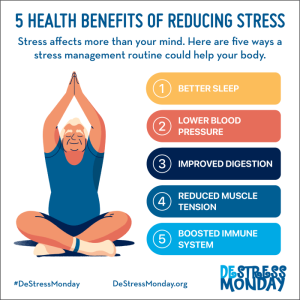
Stress can lead to increased food cravings, especially for high-sugar and high-fat foods. To cope effectively with stress-induced cravings, it’s important to:
- Identify triggers and find healthy ways to manage stress, such as deep breathing or journaling.
- Engage in relaxation techniques like yoga or taking a warm bath to reduce stress levels.
- Practice mindful eating to savor each bite and be more in tune with hunger cues.
- Replace unhealthy snacks with nutritious options like fruits, vegetables, or nuts to satisfy cravings in a healthier way.
Physical Fitness
Regular physical activity plays a crucial role in managing cravings by helping to regulate hormones and neurotransmitters that influence appetite and cravings. Exercise also helps reduce stress, improve mood, and increase overall well-being, which can all contribute to healthier eating habits.
Examples of Exercises
- Cardiovascular exercises such as running, cycling, or swimming can help reduce cravings by increasing the release of endorphins, which are known as “feel-good” hormones that can help curb cravings.
- Strength training exercises like weight lifting or bodyweight exercises can help build muscle mass, which can increase metabolism and reduce the likelihood of succumbing to unhealthy food cravings.
- Yoga and Pilates are effective exercises for reducing stress and promoting mindfulness, which can help decrease emotional eating and cravings triggered by stress or anxiety.
Positive Impact of Regular Exercise
Regular exercise can positively impact food choices and cravings by:
- Increasing awareness of hunger cues and satiety signals, making it easier to distinguish between true hunger and cravings triggered by emotions or external cues.
- Improving mood and reducing stress, which can decrease the likelihood of turning to food for comfort during times of emotional distress.
- Boosting self-confidence and self-esteem, leading to a more positive relationship with food and a decreased reliance on unhealthy cravings for temporary satisfaction.
Healthy Eating
Eating a nutritious diet is essential for managing cravings and promoting overall well-being. When you fuel your body with the right nutrients, you are less likely to experience intense cravings for unhealthy foods.
Importance of Healthy Eating in Controlling Cravings
Eating a balanced diet rich in vitamins, minerals, and fiber can help stabilize blood sugar levels and prevent sudden spikes and crashes that often lead to cravings. Nutrient-dense foods provide sustained energy, keeping you satisfied for longer periods and reducing the urge to reach for sugary or processed snacks.
Tips for Incorporating Nutrient-Dense Foods to Curb Cravings
- Include a variety of colorful fruits and vegetables in your meals to ensure you are getting a range of vitamins and minerals.
- Opt for whole grains like quinoa, brown rice, and oats, which are rich in fiber and promote feelings of fullness.
- Incorporate lean proteins such as chicken, fish, tofu, and legumes to support muscle health and keep hunger at bay.
- Choose healthy fats like avocado, nuts, and olive oil to help regulate appetite and improve satiety.
- Avoid highly processed foods and sugary snacks, as they can trigger cravings and disrupt your body’s natural hunger cues.
Meal Planning to Support Healthy Eating Habits and Reduce Cravings
Meal planning can be a valuable tool in promoting healthy eating habits and preventing impulsive food choices. By preparing nutritious meals in advance, you are more likely to stick to a balanced diet and avoid succumbing to cravings for unhealthy options. Planning your meals also helps you ensure you are getting all the necessary nutrients your body needs to function optimally, reducing the likelihood of experiencing intense cravings.
Preventive Care
Preventive care plays a crucial role in managing cravings by addressing underlying factors that trigger them. By taking proactive measures, individuals can reduce the likelihood of succumbing to unhealthy cravings and maintain better control over their eating habits.
Healthy Lifestyle Habits
- Regular Exercise: Engaging in physical activity not only helps improve overall health but also reduces stress levels, which can be a common trigger for cravings.
- Healthy Meal Planning: Planning nutritious meals in advance can help prevent impulsive decisions and promote healthier food choices.
- Adequate Sleep: Getting enough rest is essential for regulating hormones that control appetite and cravings.
Mindful Eating Practices
- Practice Mindfulness: Paying attention to hunger cues and eating slowly can help prevent overeating and reduce the likelihood of unhealthy cravings.
- Avoid Restrictive Dieting: Extreme dieting can lead to nutrient deficiencies and cravings for forbidden foods. Focus on balance and moderation instead.
- Stay Hydrated: Dehydration can often be mistaken for hunger, leading to unnecessary food cravings. Drinking enough water throughout the day is essential.
Balanced Diet
Eating a balanced diet is crucial for managing cravings as it provides the body with essential nutrients to function optimally. A balanced diet typically includes a variety of foods from different food groups in appropriate portions.
Examples of a well-balanced meal:
- Grilled chicken breast with quinoa and steamed broccoli
- Salmon with sweet potato and a side salad
- Vegetable stir-fry with tofu and brown rice
Importance of variety and moderation:
How to manage cravings with healthy eating – A balanced diet that includes a variety of foods helps prevent monotony and reduces the likelihood of cravings for specific unhealthy foods. Moderation is key in maintaining a balanced diet as it allows for the occasional indulgence without derailing overall health goals.
Regular Exercise
Regular exercise plays a crucial role in managing cravings and promoting overall well-being. When combined with healthy eating habits, physical activity can significantly reduce the intensity and frequency of cravings.
Relationship between Exercise and Reducing Cravings
Regular exercise helps regulate blood sugar levels and improve insulin sensitivity, which can help reduce cravings for high-sugar and high-fat foods. Physical activity also releases endorphins, the feel-good hormones, which can decrease stress and emotional eating triggers.
Benefits of Physical Activity in Managing Cravings
- Increases metabolism and energy expenditure, making it easier to maintain a healthy weight.
- Improves mood and mental clarity, reducing the likelihood of turning to comfort foods.
- Strengthens self-control and discipline, making it easier to resist unhealthy food temptations.
- Enhances overall physical health, leading to a reduced risk of chronic diseases associated with poor dietary choices.
Exercise for Improved Self-Control in Food Choices
Regular exercise not only strengthens the body but also the mind. By incorporating physical activity into your routine, you can enhance self-control and discipline when faced with food cravings. This mental resilience can empower you to make healthier choices and resist the temptation of unhealthy snacks or overeating.
Mental Health
When it comes to managing cravings with healthy eating, mental health plays a crucial role in influencing our food choices and cravings. Our emotional state, stress levels, and overall mental well-being can all impact the types of foods we crave and how we respond to those cravings.
Influence of Mental Health on Food Cravings
Our mental health can significantly influence the types of foods we crave. For example, during times of stress or emotional turmoil, many individuals tend to crave high-sugar or high-fat foods as a way to cope with their feelings. These unhealthy choices can lead to a cycle of emotional eating and further impact our mental health.
Strategies for Improving Mental Health to Manage Cravings
- Engage in regular exercise: Physical activity can help reduce stress levels and improve mood, which in turn can help reduce cravings for unhealthy foods.
- Practice mindfulness and meditation: Mindfulness techniques can help increase awareness of our thoughts and emotions, allowing us to better understand the root causes of our cravings.
- Seek professional help if needed: If you are struggling with your mental health and find that it is impacting your eating habits, don’t hesitate to seek support from a therapist or counselor.
Role of Mindfulness and Emotional Awareness in Managing Cravings
Mindfulness and emotional awareness are powerful tools in managing cravings. By being present in the moment and tuning into our emotions, we can better understand the reasons behind our cravings and make more conscious choices about the foods we consume. Developing a practice of mindfulness can help us break free from unhealthy eating patterns and create a healthier relationship with food.
Holistic Wellness

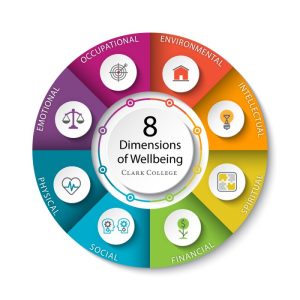
When it comes to managing cravings, taking a holistic approach to wellness is key. This means looking at all aspects of well-being, including physical, mental, and emotional health, to control cravings effectively.
Addressing Physical Wellness
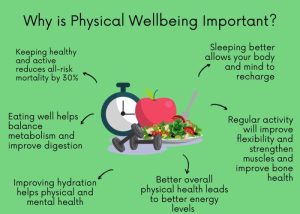
Physical wellness plays a crucial role in managing food cravings. Eating a balanced diet, staying hydrated, and getting regular exercise can help regulate blood sugar levels and reduce the intensity of cravings.
Emphasizing Mental Wellness, How to manage cravings with healthy eating
Mental wellness is equally important in controlling cravings. Stress, anxiety, and other emotional factors can trigger unhealthy food cravings. Practicing mindfulness, meditation, or seeking professional help can help address these underlying issues.
Understanding Emotional Wellness
Emotional wellness is closely linked to food cravings. Emotional eating often stems from unmet emotional needs or unresolved issues. Building healthy coping mechanisms, such as engaging in hobbies, spending time with loved ones, or seeking therapy, can help manage emotional eating triggers.
Chronic Diseases: How To Manage Cravings With Healthy Eating

Chronic diseases are long-term health conditions that often require ongoing management and treatment. These diseases, such as heart disease, diabetes, and hypertension, are often linked to lifestyle factors, including diet.
Link Between Chronic Diseases and Food Cravings
Food cravings can play a significant role in the development and progression of chronic diseases. Cravings for unhealthy foods high in sugar, salt, and unhealthy fats can contribute to weight gain, inflammation, and overall poor health. Consuming these foods regularly can increase the risk of developing chronic conditions like obesity, type 2 diabetes, and cardiovascular diseases.
Managing Cravings for Preventing Chronic Diseases
By effectively managing food cravings, individuals can reduce the consumption of unhealthy foods and lower their risk of developing chronic diseases. Strategies such as mindful eating, keeping healthy snacks on hand, and staying hydrated can help curb cravings and promote better food choices. Engaging in regular physical activity and getting adequate sleep can also help regulate appetite and reduce the likelihood of giving in to unhealthy cravings.
Dietary Considerations for Individuals with Chronic Conditions
- Avoid processed foods and opt for whole, nutrient-dense foods to support overall health and well-being.
- Include plenty of fruits, vegetables, whole grains, lean proteins, and healthy fats in your diet to provide essential nutrients and reduce inflammation.
- Limit foods high in added sugars, saturated fats, and sodium, as these can exacerbate symptoms of chronic diseases.
- Work with a healthcare provider or dietitian to create a personalized meal plan that meets your nutritional needs while managing cravings effectively.
Immunity Boosters
Immunity boosters play a crucial role in supporting healthy eating and managing cravings. By strengthening the immune system, these boosters help the body fight off illnesses and maintain overall well-being. Additionally, a strong immune system can positively impact food choices and cravings by promoting a desire for nutrient-dense foods that support optimal health.
Foods that Boost Immunity and Reduce Cravings
- Citrus fruits: Rich in vitamin C, citrus fruits like oranges, lemons, and grapefruits can help boost immunity and reduce cravings for sugary snacks.
- Leafy greens: Vegetables like spinach, kale, and Swiss chard are packed with vitamins, minerals, and antioxidants that support a strong immune system and help curb cravings.
- Yogurt: Probiotic-rich foods like yogurt can improve gut health, which is linked to a stronger immune system and better control over cravings.
- Garlic: Known for its immune-boosting properties, garlic also has appetite-suppressing effects that can help manage cravings.
Impact of a Strong Immune System on Food Choices and Cravings
A strong immune system can positively impact food choices and cravings by encouraging the consumption of nutrient-dense foods that support overall health. When the body is well-nourished and the immune system is functioning optimally, cravings for unhealthy, processed foods tend to decrease. By prioritizing foods that boost immunity, individuals can establish healthier eating habits and reduce the likelihood of succumbing to cravings for sugary or high-fat snacks.
FAQ Overview
How can I deal with late-night cravings?
Avoid keeping unhealthy snacks at home and opt for nutritious alternatives like fruits or nuts. Engage in a relaxing activity to distract yourself from cravings.
Is it okay to indulge in cravings occasionally?
Occasional indulgence is fine, but moderation is key. Listen to your body’s signals and choose healthier options whenever possible.
Can stress affect food cravings?
Yes, stress can trigger cravings for comfort foods. Practice stress-relief techniques like meditation or yoga to combat this effect.

More Stories
How to plan a balanced diet for healthy eating by incorporating essential nutrients and meal variety