Mental Wellness
Maintaining mental wellness is a crucial aspect of a preventive care routine as it directly impacts overall health and well-being. Taking care of your mental health can help reduce stress, anxiety, and depression, leading to a more balanced and fulfilling life.
Strategies for Incorporating Mental Wellness Practices
- Practice mindfulness and meditation daily to help calm the mind and reduce stress.
- Engage in regular physical exercise as it can boost mood and improve mental clarity.
- Establish a healthy sleep routine to ensure proper rest and rejuvenation for the mind.
- Connect with others through social activities or support groups to foster a sense of belonging and reduce feelings of isolation.
- Seek professional help if needed through therapy or counseling to address any mental health concerns.
Importance of Mental Wellness for Overall Health
How to create a preventive care routine – Maintaining mental wellness not only enhances your emotional and psychological well-being but also has a significant impact on physical health. Chronic stress and anxiety can weaken the immune system, increase the risk of heart disease, and contribute to various health conditions.
Physical Fitness
Regular physical activity is a crucial component of a preventive care routine. By incorporating simple exercises into your daily regimen, you can significantly reduce the risk of various health issues and improve overall well-being.
Benefits of Regular Physical Activity
- Improves cardiovascular health and reduces the risk of heart disease
- Helps in maintaining a healthy weight and prevents obesity-related conditions
- Strengthens muscles and bones, reducing the risk of osteoporosis
- Boosts mood and mental health by releasing endorphins
- Enhances flexibility, balance, and coordination, reducing the risk of falls
Simple Exercises for Preventive Care
- Walking or brisk walking for at least 30 minutes a day
- Bodyweight exercises like squats, lunges, and push-ups
- Yoga or Pilates for flexibility and core strength
- Swimming or cycling for cardiovascular fitness
- Stretching exercises to improve flexibility and prevent injuries
Healthy Eating
Eating a balanced and nutritious diet plays a crucial role in maintaining preventive care. A healthy diet not only supports physical health but also has a significant impact on mental well-being.
Creating a Balanced Diet
When it comes to creating a balanced diet for overall health, it is essential to include a variety of nutrients from different food groups. Here are some guidelines to help you achieve a well-rounded diet:
- Include a variety of fruits and vegetables in your meals to ensure you get a wide range of vitamins and minerals.
- Incorporate whole grains such as brown rice, quinoa, and oats into your diet for fiber and energy.
- Choose lean sources of protein like poultry, fish, beans, and legumes to support muscle health.
- Include healthy fats from sources like avocados, nuts, seeds, and olive oil for heart health.
- Avoid excessive consumption of processed foods, sugary drinks, and high-fat snacks to reduce the intake of empty calories.
Incorporating More Fruits, Vegetables, and Whole Grains
Here are some tips to help you incorporate more fruits, vegetables, and whole grains into your daily meals:
- Start your day with a fruit smoothie or add berries to your breakfast cereal for a nutritious boost.
- Snack on raw vegetables with hummus or nut butter for a satisfying and healthy option.
- Replace refined grains with whole grains in dishes like salads, stir-fries, and soups for added fiber and nutrients.
- Experiment with different fruits and vegetables in your cooking to add variety and color to your meals.
- Plan your meals ahead of time to ensure you have a good mix of fruits, vegetables, and whole grains throughout the day.
Preventive Care
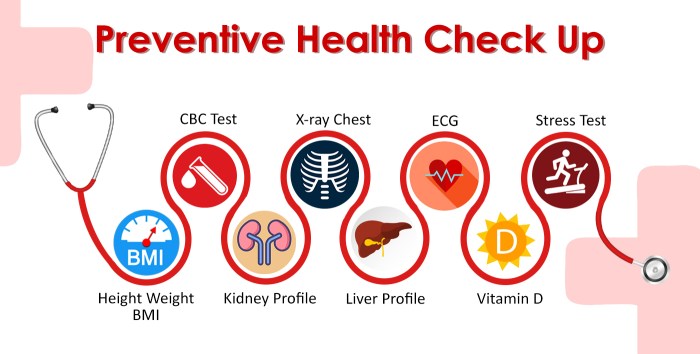
Preventive care refers to healthcare measures taken to prevent illnesses or diseases before they occur, focusing on maintaining overall health and well-being. It plays a crucial role in identifying and addressing health issues early on, allowing for timely interventions and reducing the risk of developing more serious conditions.
Importance of Regular Check-ups and Screenings
Regular check-ups and screenings are essential components of preventive care as they help detect any potential health problems at an early stage. These proactive measures enable healthcare providers to offer timely interventions, treatment, or lifestyle modifications to prevent the progression of diseases. By staying up-to-date with check-ups and screenings, individuals can actively monitor their health and make informed decisions to maintain their well-being.
Examples of Preventive Care Measures at Home
- Adopting a healthy lifestyle by eating a balanced diet, exercising regularly, and maintaining a healthy weight.
- Practicing good hygiene habits such as washing hands frequently, getting enough sleep, and managing stress effectively.
- Regularly monitoring blood pressure, blood sugar levels, and cholesterol at home with appropriate devices or kits.
- Following vaccination schedules to protect against preventable diseases.
- Being aware of family medical history and discussing it with healthcare providers for personalized preventive care recommendations.
Balanced Diet
A balanced diet is essential for overall wellness as it provides the body with the necessary nutrients, vitamins, and minerals to function optimally. It involves consuming a variety of foods in appropriate portions to maintain good health and prevent diseases.
Food Groups in a Balanced Diet
- Fruits and Vegetables: Rich in vitamins, minerals, and fiber, these should make up a significant portion of your daily intake.
- Proteins: Sources include lean meats, poultry, fish, eggs, beans, and nuts, which are essential for muscle repair and growth.
- Whole Grains: Foods like brown rice, whole wheat bread, and oats provide fiber and energy to keep you feeling full and satisfied.
- Dairy or Alternatives: Calcium-rich foods like milk, yogurt, and cheese help maintain bone health.
- Healthy Fats: Avocados, nuts, seeds, and olive oil are sources of healthy fats that are crucial for brain function and overall health.
Tips for Meal Planning
- Include a variety of colors in your meals to ensure you are getting a range of nutrients.
- Plan your meals in advance to avoid making unhealthy choices when you’re hungry.
- Aim for moderation and balance, incorporating all food groups in appropriate proportions.
- Stay hydrated by drinking plenty of water throughout the day.
Regular Exercise: How To Create A Preventive Care Routine
Regular exercise plays a crucial role in preventive care by improving overall health and reducing the risk of various chronic diseases. It helps maintain a healthy weight, strengthens the immune system, and boosts mental well-being.
Impact of Regular Exercise, How to create a preventive care routine
Regular exercise can lower the risk of heart disease, stroke, type 2 diabetes, and certain types of cancer. It also helps improve cardiovascular health, bone density, and muscle strength. Additionally, exercise enhances mood, reduces stress, and promotes better sleep patterns.
- Cardiovascular exercises like running, swimming, or cycling help improve heart health and stamina.
- Strength training exercises such as weightlifting or bodyweight exercises build muscle mass and increase metabolism.
- Flexibility and balance exercises like yoga or Pilates improve range of motion and prevent injuries.
Mental Health
Maintaining good mental health is a crucial aspect of preventive care as it impacts overall well-being and quality of life. Our mental state can influence our physical health and immune system, highlighting the interconnectedness of mind and body.
Effects of Stress on Overall Health
Stress can have detrimental effects on our health, leading to various physical and mental issues. Chronic stress can weaken the immune system, increase the risk of heart disease, and exacerbate mental health conditions like anxiety and depression.
- High levels of stress hormones like cortisol can disrupt the body’s natural balance, affecting sleep patterns and appetite.
- Long-term stress can contribute to the development of chronic conditions such as hypertension, diabetes, and obesity.
- Emotional distress from stress can impact relationships, work performance, and overall quality of life.
Strategies for Improving Mental Health
Taking proactive steps to enhance mental well-being can be a vital part of a preventive care routine, promoting resilience and emotional stability.
- Practice mindfulness and relaxation techniques, such as meditation or deep breathing exercises, to reduce stress levels and promote mental clarity.
- Engage in regular physical activity, as exercise releases endorphins that help improve mood and alleviate symptoms of anxiety and depression.
- Establish a support system of friends, family, or mental health professionals to provide encouragement and guidance during challenging times.
- Set boundaries and prioritize self-care to prevent burnout and maintain a healthy work-life balance.
- Seek professional help if needed, as therapy or counseling can offer valuable tools and strategies for managing mental health concerns.
Holistic Wellness
Holistic wellness is a concept in preventive care that focuses on addressing physical, mental, and emotional well-being to achieve overall health.
Practices for Holistic Wellness
Practices that promote holistic wellness include:
- Regular meditation to reduce stress and improve mental clarity.
- Engaging in mindfulness activities to stay present and aware of your thoughts and emotions.
- Practicing gratitude to cultivate a positive mindset and enhance emotional well-being.
- Connecting with nature to rejuvenate your senses and promote overall well-being.
Chronic Diseases
Chronic diseases are long-term conditions that typically progress slowly over time, such as heart disease, diabetes, and cancer. Preventive care plays a crucial role in managing chronic diseases by focusing on early detection, lifestyle modifications, and regular monitoring to prevent complications.
Role of Preventive Care
Preventive care is essential in managing chronic diseases as it helps in identifying risk factors early on, allowing for timely interventions to prevent the progression of the condition. Regular screenings, vaccinations, and lifestyle changes recommended by healthcare providers can help reduce the impact of chronic diseases on individuals.
Importance of Early Detection
Early detection of chronic conditions is key to effective management and treatment. By identifying symptoms and risk factors at an early stage, healthcare professionals can develop personalized care plans to address the specific needs of patients, potentially improving outcomes and quality of life.
Tips for Reducing Risk
- Follow a balanced diet rich in fruits, vegetables, whole grains, and lean proteins to maintain a healthy weight and reduce the risk of obesity-related chronic diseases.
- Engage in regular physical activity to improve cardiovascular health, strengthen muscles, and enhance overall well-being.
- Avoid tobacco use and limit alcohol consumption to lower the risk of developing conditions like heart disease, cancer, and respiratory disorders.
- Attend regular check-ups and screenings as recommended by healthcare providers to monitor health status and detect any potential issues early on.
- Manage stress through relaxation techniques, mindfulness practices, and seeking support from mental health professionals to promote emotional well-being and reduce the risk of stress-related chronic diseases.
Immunity Boosters
Boosting immunity is crucial for preventive care as it helps the body fight off illnesses and stay healthy. By incorporating certain foods and lifestyle habits, you can strengthen your immune system and reduce the risk of falling ill.
Examples of Immunity Boosters
- Eating a variety of fruits and vegetables rich in vitamins and antioxidants.
- Consuming probiotic foods like yogurt to support gut health.
- Including garlic, ginger, and turmeric in your diet for their immune-boosting properties.
- Staying hydrated by drinking plenty of water throughout the day.
Tips for Maintaining a Strong Immune System
- Getting an adequate amount of sleep each night to allow your body to rest and repair.
- Engaging in regular exercise to improve circulation and overall health.
- Managing stress through relaxation techniques like meditation or deep breathing exercises.
- Avoiding smoking and excessive alcohol consumption, which can weaken the immune system.
FAQ
What is the role of preventive care in managing chronic diseases?
Preventive care plays a crucial role in managing chronic diseases by focusing on early detection, regular screenings, and lifestyle modifications to reduce risks.
How can I boost my immunity through preventive care?
Boosting immunity involves consuming a balanced diet rich in nutrients, maintaining regular physical activity, managing stress levels, and getting adequate sleep.
Why is mental wellness important in a preventive care routine?
Prioritizing mental wellness is vital in a preventive care routine as it contributes to overall health, reduces stress, and improves quality of life.

More Stories
Herbal Remedies for Boosting Immunity During Flu Season
Holistic Wellness: Key to Long-Term Health
Preventive Care: Tips for a Healthy Life & Longevity