How to create a balanced healthy eating meal plan – Creating a balanced healthy eating meal plan is essential for overall well-being. It involves understanding the importance of different food groups, their essential nutrients, and how to incorporate them into your daily diet. This plan should be personalized based on factors such as age, activity level, and dietary restrictions.
By following a balanced meal plan, you can provide your body with the necessary nutrients for optimal health. This includes consuming a variety of fruits, vegetables, whole grains, lean proteins, and healthy fats. You can also learn about meal planning and preparation strategies, including grocery shopping, recipe selection, and time management, to make it easier to stick to your plan.
Understanding Balanced Eating
A balanced diet is the cornerstone of good health and well-being. It provides your body with the essential nutrients it needs to function optimally, boosting your energy levels, strengthening your immune system, and reducing your risk of chronic diseases.
Food Groups and Essential Nutrients
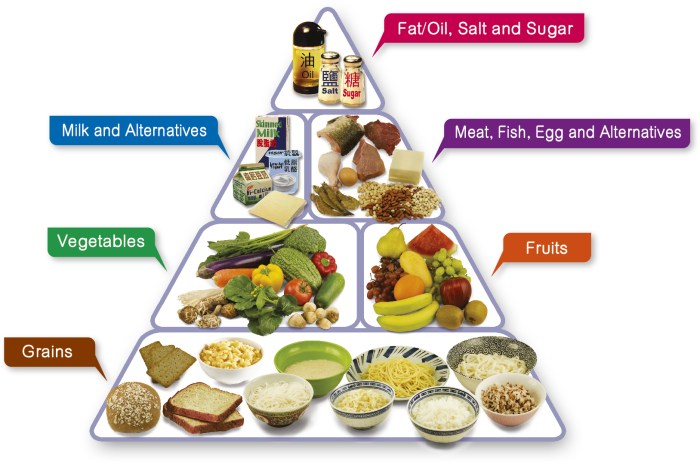
A balanced diet encompasses a variety of food groups, each offering unique nutrients vital for your body’s functions. Here’s a breakdown of the key food groups and their essential nutrients:
- Fruits:Rich in vitamins, minerals, and fiber, fruits provide antioxidants that protect against cell damage and support overall health. Examples include apples, bananas, berries, citrus fruits, and melons.
- Vegetables:Packed with vitamins, minerals, and fiber, vegetables contribute to a healthy digestive system, support immune function, and reduce the risk of chronic diseases. Examples include leafy greens, broccoli, carrots, peppers, and tomatoes.
- Grains:A primary source of carbohydrates, grains provide energy for your body. Whole grains, like brown rice, quinoa, and oats, are rich in fiber and essential nutrients. Refined grains, like white bread and white rice, are lower in fiber and nutrients.
- Protein:Essential for building and repairing tissues, protein is found in various sources like meat, poultry, fish, beans, lentils, nuts, and seeds.
- Dairy:Provides calcium and vitamin D, crucial for bone health and overall well-being. Examples include milk, yogurt, cheese, and fortified plant-based milk alternatives.
- Healthy Fats:Found in sources like olive oil, avocados, nuts, and seeds, healthy fats are vital for hormone production, cell function, and brain health.
Identifying Healthy Food Choices, How to create a balanced healthy eating meal plan
Choosing healthy foods within each food group is crucial for a balanced diet. Here are some tips to help you make informed choices:
- Focus on Whole Foods:Prioritize whole, unprocessed foods over processed or packaged options. These foods are naturally rich in nutrients and lower in added sugars, unhealthy fats, and sodium.
- Read Food Labels:Pay attention to serving sizes, calories, and nutrient content listed on food labels. Choose options lower in added sugars, saturated fats, and sodium, and higher in fiber, vitamins, and minerals.
- Choose Lean Protein Sources:Opt for lean protein sources like poultry without skin, fish, beans, lentils, and tofu. These options are lower in saturated fat and calories.
- Limit Processed Foods:Minimize consumption of processed foods, which are often high in added sugars, unhealthy fats, and sodium. These foods can contribute to weight gain, chronic diseases, and poor overall health.
- Hydrate Regularly:Drink plenty of water throughout the day. Water is essential for various bodily functions, including digestion, temperature regulation, and nutrient transport.
Creating a Personalized Meal Plan
A personalized meal plan is a roadmap to a healthier lifestyle. It’s tailored to your individual needs and preferences, helping you achieve your health goals. To create a plan that works for you, it’s essential to consider several factors.
Factors to Consider
To create a personalized meal plan, it’s crucial to consider your unique needs and preferences. These include:
- Age:Nutritional requirements vary throughout life. For instance, growing children and adolescents need more calories and specific nutrients like calcium for bone development. Adults need to focus on maintaining healthy weight and preventing chronic diseases. Older adults might need to adjust their diet to address age-related changes in digestion and metabolism.
- Activity Level:Your activity level significantly influences your caloric needs. If you’re highly active, you’ll need more calories to fuel your workouts and recover. Conversely, a sedentary lifestyle requires fewer calories.
- Dietary Restrictions:Dietary restrictions, such as allergies, intolerances, or religious beliefs, play a crucial role in meal planning. For example, a vegan diet eliminates all animal products, while a gluten-free diet avoids wheat, barley, and rye.
- Health Goals:Your health goals, whether weight loss, muscle gain, or disease management, will shape your meal plan. For instance, a weight loss plan might emphasize calorie restriction and portion control, while a muscle-building plan will prioritize protein intake.
- Lifestyle:Your lifestyle, including your work schedule, social activities, and access to food, impacts your meal planning choices. For example, someone with a busy work schedule might prefer quick and easy meal options, while someone with more time might enjoy preparing elaborate meals.
- Food Preferences:Your personal food preferences are essential. A plan you enjoy is more likely to be sustainable. Consider foods you like and dislike, your cultural background, and your willingness to try new things.
Sample Meal Plan for a Day
Here’s a sample meal plan for a day, incorporating various food groups and providing portion sizes:
| Meal | Food | Portion Size |
|---|---|---|
| Breakfast | Oatmeal with berries and nuts | 1 cup cooked oatmeal, 1/2 cup berries, 1/4 cup nuts |
| Lunch | Grilled chicken salad with mixed greens, vegetables, and a light dressing | 4 oz grilled chicken, 1 cup mixed greens, 1/2 cup vegetables, 2 tablespoons dressing |
| Dinner | Baked salmon with roasted vegetables and brown rice | 4 oz baked salmon, 1 cup roasted vegetables, 1/2 cup brown rice |
| Snacks | Fruit, yogurt, or a handful of nuts | 1 piece fruit, 1 cup yogurt, 1/4 cup nuts |
Meal Planning and Preparation Strategies
- Grocery Shopping:Plan your meals for the week and create a grocery list. This helps you avoid impulse purchases and ensures you have all the necessary ingredients. Consider buying in bulk for frequently used items, and prioritize fresh, whole foods.
- Recipe Selection:Choose recipes that align with your dietary needs and preferences. Experiment with different cuisines and flavors to keep your meals interesting. Look for recipes that are quick and easy to prepare, especially if you have a busy schedule.
- Time Management:Dedicate time for meal preparation, whether it’s a few hours on the weekend to cook in bulk or 15 minutes each night to prepare a quick dinner. Batch cooking, where you prepare multiple portions of a meal at once, can save time and effort.
Consider meal prepping on weekends to have ready-to-eat meals for busy weekdays.
- Portion Control:Pay attention to portion sizes. Use measuring cups and spoons to ensure you’re eating appropriate amounts. Consider using smaller plates and bowls to visually reduce portion sizes.
- Hydration:Drink plenty of water throughout the day. Aim for at least eight glasses of water daily. Water helps you feel full, supports digestion, and keeps you energized.
Nutritional Needs for Different Lifestyles
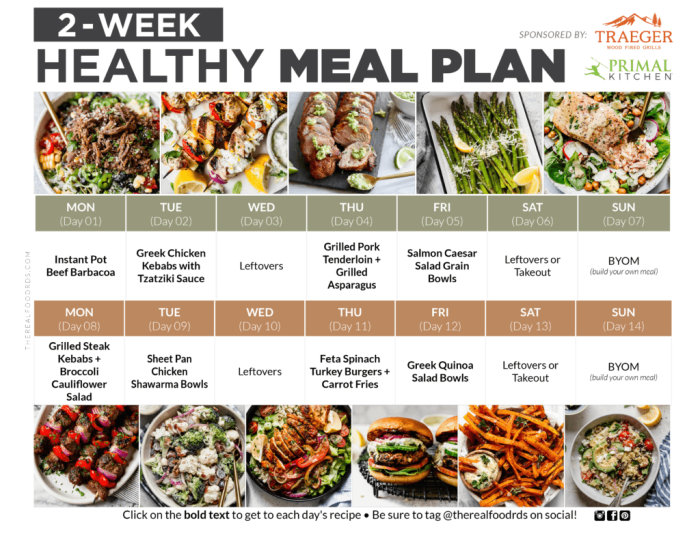
It is important to consider your lifestyle when creating a balanced meal plan. Your nutritional needs will vary depending on your age, activity level, and overall health.
Nutritional Needs of Athletes
Athletes require more calories and nutrients than sedentary individuals to support their increased energy expenditure and muscle growth. They need to consume a balanced diet that includes adequate protein, carbohydrates, and healthy fats.
- Protein:Athletes need more protein than sedentary individuals to repair and build muscle tissue. Recommended protein intake for athletes ranges from 1.2 to 1.7 grams per kilogram of body weight per day.
- Carbohydrates:Carbohydrates are the primary source of energy for athletes. They should consume carbohydrates that are easily digestible and provide sustained energy, such as whole grains, fruits, and vegetables. The recommended carbohydrate intake for athletes ranges from 5 to 10 grams per kilogram of body weight per day.
- Healthy Fats:Healthy fats are important for hormone production, cell function, and energy. Athletes should include sources of healthy fats in their diet, such as avocados, nuts, and olive oil.
Nutritional Needs of Pregnant Women
Pregnant women have increased nutritional needs to support the growth and development of their baby. They need to consume a balanced diet that includes adequate protein, iron, folic acid, and calcium.
- Protein:Protein is essential for the growth and development of the baby, as well as the mother’s own tissues. The recommended protein intake for pregnant women is 71 grams per day.
- Iron:Iron is essential for the production of red blood cells, which carry oxygen to the baby. The recommended iron intake for pregnant women is 27 milligrams per day.
- Folic Acid:Folic acid is essential for the development of the baby’s brain and spinal cord. The recommended folic acid intake for pregnant women is 600 micrograms per day.
- Calcium:Calcium is essential for the development of the baby’s bones and teeth. The recommended calcium intake for pregnant women is 1,000 milligrams per day.
Nutritional Needs of Seniors
Seniors have different nutritional needs than younger adults. They may have decreased appetite and digestive function, and they may be at risk for certain nutrient deficiencies.
- Protein:Seniors need adequate protein to maintain muscle mass and strength. The recommended protein intake for seniors is 0.8 grams per kilogram of body weight per day.
- Vitamin D:Vitamin D is essential for bone health and can help prevent falls. The recommended vitamin D intake for seniors is 600 IU per day.
- Calcium:Calcium is essential for bone health and can help prevent osteoporosis. The recommended calcium intake for seniors is 1,200 milligrams per day.
- Vitamin B12:Vitamin B12 is essential for nerve function and can be difficult to absorb as we age. The recommended vitamin B12 intake for seniors is 2.4 micrograms per day.
Outcome Summary
Creating a balanced healthy eating meal plan is a journey that requires dedication and consistency. By understanding your nutritional needs, incorporating healthy habits, and addressing common nutritional concerns, you can achieve optimal health and well-being. Remember to consult with a healthcare professional or registered dietitian for personalized guidance and support.
FAQ Section: How To Create A Balanced Healthy Eating Meal Plan
What are some tips for choosing healthy snacks?
Opt for snacks that are low in calories, fat, and sugar. Good choices include fruits, vegetables, nuts, seeds, and yogurt.
How often should I eat in a day?
It is recommended to eat 3-5 meals per day, spaced out evenly throughout the day. This helps to maintain stable blood sugar levels and prevent overeating.
What are some healthy alternatives to sugary drinks?
Instead of sugary drinks, choose water, unsweetened tea, or sparkling water with a squeeze of lemon or lime.

More Stories
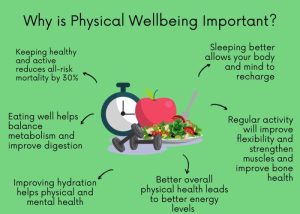
Balance Exercise and Nutrition for Optimal Health