Best healthy eating habits for long-term weight loss are not just about shedding pounds; they’re about building a sustainable and healthy relationship with food. This journey involves understanding the science behind weight management, making mindful choices, and creating a lifestyle that supports your well-being.
While quick fixes may seem appealing, they often lead to temporary results and can ultimately hinder your progress. The key lies in adopting habits that are both effective and enjoyable, ensuring that weight loss becomes a natural part of your daily routine.
This comprehensive guide will explore the fundamental principles of healthy eating, providing practical tips and strategies to help you achieve lasting weight loss. From understanding calorie management and portion control to embracing mindful eating and incorporating regular physical activity, we’ll delve into the essential components of a successful weight loss journey.
By embracing a holistic approach that prioritizes both physical and mental health, you can embark on a transformative journey towards a healthier and happier you.
Understanding Long-Term Weight Loss
Losing weight and keeping it off is a journey that requires a commitment to long-term change. It’s not just about a quick fix or a temporary diet. Long-term weight loss is about adopting sustainable habits that you can maintain for life.
The Difference Between Short-Term and Long-Term Weight Loss Strategies
Short-term weight loss strategies often focus on rapid weight loss through drastic measures, such as restrictive diets or intense exercise programs. While these methods may lead to initial weight loss, they are often unsustainable and can lead to weight regain and even health problems.
Long-term weight loss strategies, on the other hand, prioritize gradual and sustainable changes to your lifestyle. They focus on building healthy habits that you can maintain over time, leading to a gradual and steady weight loss.
The Importance of Sustainable Lifestyle Changes
Sustainable lifestyle changes are crucial for long-term weight management because they address the underlying factors that contribute to weight gain. They involve making changes to your diet, exercise habits, and overall lifestyle that you can maintain over time. For example, instead of drastically cutting calories, a sustainable approach might involve gradually reducing portion sizes, choosing healthier food options, and increasing your physical activity.
These small changes can have a significant impact on your weight over time.
Common Pitfalls that Lead to Weight Regain, Best healthy eating habits for long-term weight loss
While many people successfully lose weight initially, weight regain is a common problem. Here are some common pitfalls that can lead to weight regain:
- Returning to old habits:Once the initial weight loss is achieved, many people revert back to their old eating and exercise habits, leading to weight regain.
- Lack of support:Losing weight and keeping it off can be challenging. Having a support system, such as friends, family, or a therapist, can help you stay motivated and accountable.
- Unrealistic expectations:Setting unrealistic weight loss goals can lead to frustration and discouragement. Aim for a gradual and sustainable weight loss of 1-2 pounds per week.
- Emotional eating:Emotional eating can sabotage your weight loss efforts. Finding healthy ways to manage stress and emotions, such as exercise, meditation, or talking to a therapist, can help you avoid emotional eating.
- Lack of consistency:Consistency is key to long-term weight loss. Make sure you are consistently following your healthy eating and exercise plan.
Building a Healthy Eating Foundation
Building a healthy eating foundation is crucial for long-term weight loss and overall well-being. It involves understanding the essential nutrients your body needs, prioritizing whole foods, and creating a balanced dietary pattern that supports your health goals.
Essential Nutrients for Weight Loss and Overall Health
A balanced diet should include a variety of nutrients that contribute to weight loss and overall health. These essential nutrients include:
- Protein:Protein helps build and repair tissues, supports satiety, and boosts metabolism. Good sources include lean meats, poultry, fish, eggs, beans, lentils, tofu, and dairy products.
- Fiber:Fiber promotes digestive health, helps regulate blood sugar levels, and contributes to feelings of fullness. Excellent sources include fruits, vegetables, whole grains, legumes, and nuts.
- Healthy Fats:Unsaturated fats, like those found in avocados, nuts, seeds, olive oil, and fatty fish, are beneficial for heart health and hormone production.
- Vitamins and Minerals:Essential vitamins and minerals, such as vitamin C, vitamin D, calcium, and iron, support various bodily functions, including immune system health, bone strength, and energy production.
Benefits of Consuming Whole, Unprocessed Foods
Prioritizing whole, unprocessed foods is essential for building a healthy eating foundation. These foods are naturally nutrient-rich and provide numerous benefits, including:
- Higher Nutrient Density:Whole foods are packed with vitamins, minerals, fiber, and antioxidants, providing a greater nutritional value per calorie.
- Improved Satiety:The fiber content in whole foods promotes feelings of fullness, helping you stay satisfied and prevent overeating.
- Reduced Risk of Chronic Diseases:Consuming a diet rich in whole foods is linked to a lower risk of developing chronic conditions such as heart disease, type 2 diabetes, and certain types of cancer.
- Enhanced Digestive Health:Fiber-rich whole foods support healthy digestion and bowel regularity.
Nutrient-Rich Food Examples
The following table provides examples of nutrient-rich foods from each food group, along with suggested portion sizes:
| Food Group | Food Examples | Portion Size |
|---|---|---|
| Fruits | Berries, apples, bananas, oranges, grapefruit | 1/2 cup |
| Vegetables | Broccoli, spinach, carrots, sweet potatoes, bell peppers | 1 cup |
| Grains | Whole wheat bread, brown rice, quinoa, oats | 1 slice (bread), 1/2 cup (cooked rice/quinoa) |
| Protein | Chicken breast, fish, beans, lentils, tofu | 3-4 oz |
| Dairy | Greek yogurt, low-fat milk, cheese | 1 cup (yogurt), 1 cup (milk), 1 oz (cheese) |
| Healthy Fats | Avocado, nuts, seeds, olive oil | 1/4 avocado, 1 oz (nuts/seeds), 1 tbsp (olive oil) |
Calorie Management and Portion Control
To achieve sustainable weight loss, understanding the concept of calorie deficit and implementing effective portion control strategies are crucial. Calorie management involves consuming fewer calories than your body burns, creating a calorie deficit that leads to weight loss. Portion control, on the other hand, focuses on managing the amount of food you consume at each meal, helping you stay within your calorie goals.
Estimating Daily Calorie Needs
Determining your daily calorie needs involves considering several factors.
- Age:As you age, your metabolism slows down, requiring fewer calories for daily functions.
- Activity Level:A more active lifestyle necessitates a higher calorie intake to fuel your body’s energy expenditure.
- Gender:Men generally have a higher muscle mass, leading to a higher calorie requirement compared to women.
While calculating your exact calorie needs can be complex, several online calculators and resources can provide estimations based on your individual characteristics. It’s essential to note that these estimations are just starting points, and adjusting your calorie intake based on your progress is crucial.
Portion Control Strategies
Implementing portion control strategies can significantly impact your calorie intake and overall weight management.
- Using Smaller Plates:Opting for smaller plates can visually trick your brain into feeling satisfied with smaller portions.
- Measuring Food:Using measuring cups and spoons for specific food items can provide a clearer understanding of portion sizes.
- Mindful Eating:Paying attention to your hunger cues and eating slowly can help you recognize when you are truly full.
It’s important to remember that portion control is not about restricting yourself but rather about making conscious choices about the amount of food you consume.
Meal Planning and Preparation
Meal planning and preparation are crucial for achieving long-term weight loss success. By taking the time to plan your meals in advance, you can make healthier choices and avoid impulsive eating, which often leads to unhealthy food selections.
Sample Weekly Meal Plan
A sample weekly meal plan incorporating a variety of healthy and delicious meals can include:
- Breakfast: Oatmeal with berries and nuts, Greek yogurt with fruit and granola, whole-grain toast with avocado and egg, smoothie with protein powder, fruits, and vegetables.
- Lunch: Salad with grilled chicken or fish, lentil soup, whole-grain wrap with hummus and vegetables, leftover dinner from the previous night.
- Dinner: Salmon with roasted vegetables, chicken stir-fry with brown rice, vegetarian chili, lentil curry, baked chicken with sweet potato and green beans.
- Snacks: Fruits, vegetables, nuts, seeds, yogurt, hard-boiled eggs.
Meal Prepping and Batch Cooking
Meal prepping and batch cooking can significantly save time and effort while promoting healthy eating.
- Pre-cook large batches of grains, such as brown rice, quinoa, or lentils, to use throughout the week.
- Roast vegetablesin bulk to add to salads, soups, or as a side dish.
- Prepare protein sources, like chicken or fish, in advance and store in the refrigerator for easy use.
- Make large batches of soup or stewto freeze and enjoy later.
- Assemble grab-and-go snackslike fruit and nut mixes, yogurt parfaits, or hard-boiled eggs.
Benefits of Planning Meals
Planning meals in advance offers several benefits for weight loss:
- Reduced impulsive eating: When you have a plan, you are less likely to reach for unhealthy snacks or make poor food choices out of convenience or hunger.
- Improved food choices: Planning allows you to make deliberate decisions about the ingredients and portions you consume, leading to healthier meals.
- Increased control over calorie intake: By preparing your meals in advance, you can ensure that you are eating appropriate portions and staying within your calorie goals.
- Reduced stress and time spent on cooking: Meal prepping allows you to streamline your cooking process and avoid last-minute decisions about what to eat.
Hydration and Water Consumption
Water is essential for numerous bodily functions, and its role in weight management is significant. Drinking enough water can help you feel fuller, boost your metabolism, and support your overall health, making it a crucial element of a sustainable weight loss journey.
Importance of Water for Weight Management
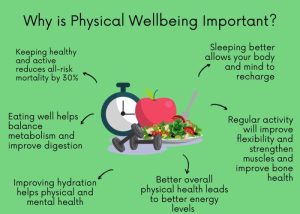
Staying hydrated is crucial for effective weight management. Water plays a vital role in regulating your metabolism, which is the process your body uses to convert food into energy. A well-hydrated body has a more efficient metabolism, helping you burn calories more effectively.
Water also helps you feel full and satisfied, reducing the urge to overeat. When your stomach is full of water, it sends signals to your brain that you are satisfied, helping you control your food intake. This effect is especially beneficial when trying to manage your calorie intake for weight loss.
Water Intake Guidelines
The amount of water you need daily varies based on factors like your activity level, climate, and overall health. However, a general guideline is to aim for 8 glasses of water per day.
- Increased Activity:If you engage in regular physical activity, you will need to drink more water to replenish fluids lost through sweat.
- Hot Climates:In hot climates, your body sweats more, leading to increased fluid loss. It is essential to drink more water to compensate for this loss and prevent dehydration.
- Health Conditions:Certain health conditions, such as kidney stones or urinary tract infections, may require you to drink more water to stay hydrated and support your body’s functions.
Strategies for Staying Hydrated
Maintaining adequate hydration throughout the day can be challenging. Here are some strategies to help you stay on track:
- Carry a Water Bottle:Keeping a reusable water bottle with you at all times makes it easy to sip on water throughout the day.
- Set Reminders:Use your phone or a wearable device to set reminders to drink water at regular intervals.
- Drink Water Before Meals:Having a glass of water before meals can help you feel fuller and consume fewer calories.
- Choose Water Over Sugary Drinks:Opt for water instead of sugary drinks like soda, juice, and sweetened tea, as these can contribute to weight gain.
Mindful Eating and Emotional Eating: Best Healthy Eating Habits For Long-term Weight Loss

Mindful eating and emotional eating are two contrasting approaches to food consumption that significantly impact weight management. While mindful eating promotes conscious and deliberate eating, emotional eating involves using food to cope with emotions, often leading to unhealthy choices and weight gain.
Understanding the differences and strategies for managing emotional eating is crucial for long-term weight loss success.
Mindful Eating
Mindful eating is a practice that encourages paying full attention to the experience of eating, without distractions or judgment. It involves being aware of hunger and fullness cues, savoring each bite, and appreciating the flavors and textures of food. By focusing on the present moment, mindful eating helps individuals develop a healthier relationship with food and make more conscious choices.
- Paying Attention to Hunger Cues:Before reaching for food, it’s essential to assess whether you’re truly hungry or if your body is sending other signals, such as thirst or boredom.
- Savor Each Bite:Take your time while eating, chew thoroughly, and appreciate the flavors and textures of your food. This allows you to feel satisfied with smaller portions and enjoy your meals more fully.
- Avoid Distractions During Meals:Turn off the TV, put away your phone, and focus solely on your food. Eating while distracted can lead to overeating and a lack of enjoyment.
- Practice Gratitude:Before each meal, take a moment to express gratitude for the food you’re about to eat. This can help you appreciate the nourishment it provides and develop a more positive relationship with food.
Managing Emotional Eating
Emotional eating is a common coping mechanism for stress, anxiety, boredom, or sadness. It involves using food to regulate emotions, often leading to overeating and unhealthy food choices. To manage emotional eating, it’s crucial to identify triggers and develop healthy coping strategies.
- Identify Triggers:Pay attention to situations or emotions that often lead you to overeat. This could include stress, loneliness, boredom, or sadness. Once you identify your triggers, you can develop strategies to manage them.
- Develop Healthy Coping Strategies:Instead of turning to food, try engaging in activities that provide emotional relief, such as exercise, meditation, spending time with loved ones, or pursuing hobbies.
- Challenge Negative Thoughts:When you feel the urge to eat emotionally, challenge negative thoughts or beliefs that may be fueling your cravings. Ask yourself if you’re truly hungry or if you’re seeking comfort from a difficult emotion.
- Seek Professional Help:If you struggle with emotional eating, consider seeking professional help from a therapist or registered dietitian. They can provide guidance and support in developing healthy coping mechanisms.
Physical Activity and Exercise
Regular exercise is a cornerstone of long-term weight loss and overall health. It not only helps you burn calories and shed pounds but also improves your cardiovascular health, strengthens your muscles and bones, boosts your mood, and enhances your quality of life.
Types of Exercise for Weight Loss
The best exercise routine for you will depend on your fitness level, preferences, and goals. Here are some examples of exercise options suitable for different fitness levels and preferences:
- Cardiovascular Exercise:Cardio exercises elevate your heart rate and improve your cardiovascular health. Examples include:
- Walking:A simple and accessible exercise that can be done at any pace and intensity. Aim for at least 30 minutes of brisk walking most days of the week.
- Running:A more intense form of cardio that burns more calories. Start with short intervals and gradually increase your distance and speed.
- Swimming:A low-impact exercise that is gentle on your joints. It provides a full-body workout and burns significant calories.
- Cycling:A fun and effective way to get exercise. You can cycle outdoors or indoors on a stationary bike.
- Dancing:A fun and energetic way to burn calories and improve your coordination.
- Strength Training:Strength training builds muscle mass, which increases your metabolism and helps you burn more calories even at rest. Examples include:
- Weightlifting:Using weights to build muscle strength and endurance. You can use free weights, machines, or resistance bands.
- Bodyweight Exercises:Using your own body weight for resistance, such as push-ups, squats, and lunges. This is a great option for beginners or those who don’t have access to equipment.
- Yoga:A combination of strength training, flexibility, and mindfulness. It can help you build muscle, improve your balance, and reduce stress.
- Flexibility Exercises:Flexibility exercises improve your range of motion and reduce your risk of injuries. Examples include:
- Stretching:Holding a stretch for a few seconds to lengthen your muscles and improve your flexibility.
- Pilates:A form of exercise that focuses on core strength, flexibility, and posture.
- Tai Chi:A gentle form of exercise that involves slow, flowing movements and deep breathing. It can improve your balance, flexibility, and coordination.
Benefits of Exercise for Weight Loss
- Increased Calorie Burn:Exercise burns calories, which helps you create a calorie deficit, essential for weight loss.
- Boosted Metabolism:Strength training builds muscle mass, which increases your metabolism, helping you burn more calories even at rest.
- Improved Body Composition:Exercise helps you lose fat and gain muscle, leading to a healthier body composition.
- Enhanced Appetite Control:Exercise can help regulate your appetite hormones, reducing cravings and making it easier to stick to your healthy eating plan.
- Improved Mood and Energy Levels:Exercise releases endorphins, which have mood-boosting effects and can help you feel more energized.
Sleep and Stress Management
Getting enough sleep and managing stress are crucial components of a healthy lifestyle that can significantly impact your weight management efforts. Sleep deprivation and chronic stress can disrupt your body’s hormonal balance, leading to increased hunger, cravings, and weight gain.
The Connection Between Sleep Deprivation and Weight Gain
Sleep deprivation can disrupt the balance of hormones that regulate hunger and appetite, leading to weight gain. When you’re sleep-deprived, your body produces more of the hunger hormone ghrelin and less of the satiety hormone leptin. This hormonal imbalance can make you feel hungrier than usual, leading to increased calorie intake and weight gain.
Tips for Improving Sleep Quality and Establishing a Regular Sleep Routine
- Establish a Regular Sleep Schedule:Go to bed and wake up at roughly the same time every day, even on weekends, to regulate your body’s natural sleep-wake cycle.
- Create a Relaxing Bedtime Routine:Engage in calming activities like taking a warm bath, reading a book, or listening to soothing music to signal your body that it’s time to wind down.
- Optimize Your Sleep Environment:Ensure your bedroom is dark, quiet, and cool for optimal sleep. Invest in a comfortable mattress and pillows that support your body properly.
- Avoid Caffeine and Alcohol Before Bed:These substances can interfere with sleep quality and disrupt your sleep cycle.
- Limit Screen Time Before Bed:The blue light emitted from electronic devices can suppress melatonin production, making it harder to fall asleep.
The Impact of Stress on Weight Management
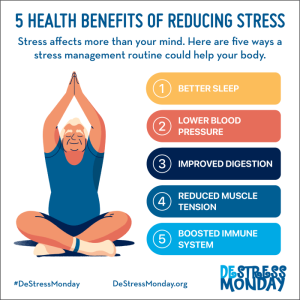
Stress can lead to weight gain by increasing cortisol levels, a hormone that promotes fat storage, particularly in the abdominal area. When you’re stressed, your body releases cortisol, which triggers cravings for sugary and fatty foods, providing temporary comfort but contributing to long-term weight gain.
Strategies for Managing Stress Effectively
- Engage in Regular Physical Activity:Exercise is a powerful stress reliever and can help boost your mood and reduce cortisol levels.
- Practice Relaxation Techniques:Techniques like deep breathing, meditation, or yoga can help calm your mind and body, reducing stress levels.
- Prioritize Self-Care:Make time for activities you enjoy, whether it’s spending time with loved ones, pursuing a hobby, or simply relaxing in a quiet space.
- Seek Professional Help:If stress is overwhelming and affecting your daily life, consider seeking professional help from a therapist or counselor.
Seeking Professional Guidance
Navigating the world of weight loss can be overwhelming, and seeking professional guidance can be a valuable asset in achieving your long-term goals. Consulting a registered dietitian or a qualified healthcare professional can provide you with personalized support, evidence-based strategies, and accountability to help you make sustainable lifestyle changes.
Benefits of Professional Guidance
Professional guidance offers numerous benefits, including:
- Personalized Meal Plans: A registered dietitian can create a tailored meal plan that aligns with your individual needs, preferences, and dietary restrictions. This ensures you’re consuming a balanced and nutritious diet that supports your weight loss journey.
- Nutrition Education: Dietitians provide comprehensive nutrition education, equipping you with the knowledge and skills to make informed food choices and develop healthy eating habits that extend beyond your weight loss goals.
- Behavioral Support: They can help you address emotional eating, identify triggers, and develop coping mechanisms to manage cravings and prevent setbacks. This holistic approach focuses on addressing the psychological aspects of weight management.
- Accountability and Motivation: Having a professional to check in with regularly can provide accountability and motivation, keeping you on track and encouraging you to stay committed to your goals.
Role of a Registered Dietitian
Registered dietitians play a crucial role in weight loss by:
- Assessing your individual needs: They conduct a comprehensive assessment, considering your medical history, current diet, physical activity level, and weight loss goals.
- Developing a personalized meal plan: Based on your assessment, they create a meal plan that is tailored to your preferences, dietary restrictions, and lifestyle. This plan typically includes a variety of nutrient-rich foods, focusing on portion control and calorie management.
- Providing ongoing support and guidance: They offer ongoing support, answering your questions, addressing any concerns, and making adjustments to your meal plan as needed.
Potential Red Flags for Professional Support
Certain situations may indicate the need for professional support, including:
- Difficulty maintaining a healthy weight despite efforts.
- History of disordered eating or unhealthy weight management practices.
- Underlying medical conditions that affect weight management.
- Significant changes in appetite or eating habits.
- Concerns about nutrient deficiencies or inadequate food intake.
The Importance of a Holistic Approach

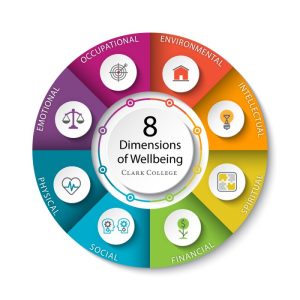
Long-term weight loss is not just about changing your diet or increasing your exercise. It’s about adopting a holistic approach that addresses all aspects of your well-being. By taking care of your physical, mental, and emotional health, you can create a sustainable foundation for healthy habits and lasting weight management.
Benefits of a Holistic Approach
A holistic approach recognizes the interconnectedness of various aspects of your health. It emphasizes that addressing these areas collectively leads to better outcomes than focusing on just one aspect in isolation.
| Factor | Benefits |
|---|---|
| Physical Fitness | Increased metabolism, improved cardiovascular health, stronger muscles and bones, better sleep, reduced risk of chronic diseases. |
| Healthy Eating | Provides essential nutrients, promotes satiety, reduces cravings, supports a healthy weight, lowers risk of chronic diseases. |
| Preventive Care | Early detection and treatment of health issues, reduces the risk of complications, promotes overall health and well-being. |
| Balanced Diet | Provides a variety of nutrients, supports optimal energy levels, reduces inflammation, promotes gut health, supports healthy weight management. |
| Regular Exercise | Boosts metabolism, burns calories, strengthens muscles, improves cardiovascular health, reduces stress, improves sleep, reduces risk of chronic diseases. |
| Mental Health | Reduces stress and anxiety, improves mood and cognitive function, promotes emotional well-being, supports healthy coping mechanisms. |
| Holistic Wellness | Encompasses physical, mental, emotional, and spiritual well-being, promotes a sense of balance and harmony, supports overall health and happiness. |
| Chronic Diseases | Reduces risk of developing chronic diseases such as heart disease, stroke, type 2 diabetes, and some cancers. |
| Immunity Boosters | Strengthens the immune system, reduces susceptibility to infections, promotes overall health and well-being. |
The Interconnectedness of Factors
These factors are intricately linked, and neglecting one can negatively impact the others. For example, poor sleep can lead to increased stress and cravings for unhealthy foods, impacting both mental health and diet. Similarly, a sedentary lifestyle can contribute to weight gain, which in turn can increase the risk of chronic diseases.
“The key to long-term weight management is not about deprivation or quick fixes, but about creating a sustainable lifestyle that supports your overall well-being.”
Closing Notes
Ultimately, the journey to sustainable weight loss is a personal one, requiring dedication, consistency, and a willingness to adapt. By incorporating these healthy eating habits into your daily life, you’ll not only achieve your weight loss goals but also improve your overall health and well-being.
Remember, it’s not about perfection, but about progress. Celebrate your successes, learn from your setbacks, and stay committed to building a healthier and happier future.
Expert Answers
What are some common weight loss myths I should avoid?
There are many weight loss myths circulating, such as “fat-free foods are always healthy” or “starving yourself is the best way to lose weight.” It’s important to rely on evidence-based information and consult with a qualified professional for personalized guidance.
How can I stay motivated on my weight loss journey?
Set realistic goals, track your progress, celebrate milestones, and find a support system. Remember that weight loss is a marathon, not a sprint, and it’s important to stay patient and persistent.
What are some healthy snacks I can eat to curb cravings?
Opt for snacks that are rich in nutrients and fiber, such as fruits, vegetables, nuts, and yogurt. These snacks will keep you feeling full and satisfied, preventing unhealthy cravings.

More Stories
Herbal Remedies for Boosting Immunity During Flu Season
Holistic Wellness: Key to Long-Term Health
Preventive Care: Tips for a Healthy Life & Longevity