Introduction to Balanced Diet: How To Plan A Balanced Diet For Healthy Eating

How to plan a balanced diet for healthy eating – A balanced diet is crucial for maintaining overall health and well-being. It provides the necessary nutrients that your body needs to function properly, support growth, and prevent diseases.
Some examples of food groups essential for a balanced diet include:
- Proteins: Found in meat, poultry, fish, dairy, beans, and nuts. They are essential for building and repairing tissues in the body.
- Carbohydrates: Found in grains, fruits, vegetables, and legumes. They are the main source of energy for your body.
- Fruits and Vegetables: Rich in vitamins, minerals, and antioxidants that help protect against illnesses.
- Dairy: Good source of calcium for strong bones and teeth.
- Fats: Found in oils, nuts, and seeds. They are necessary for absorbing vitamins and providing energy.
Benefits of Planning Meals with a Variety of Nutrients:
Planning meals that include a variety of nutrients offers numerous benefits:
- Ensures your body receives all the essential nutrients it needs for optimal functioning.
- Helps in maintaining a healthy weight by providing a balance between calories consumed and burned.
- Reduces the risk of chronic diseases such as heart disease, diabetes, and certain cancers.
- Improves overall energy levels and concentration throughout the day.
- Supports better digestion and nutrient absorption.
Components of a Balanced Diet
A balanced diet consists of various components that are essential for maintaining good health. These components include carbohydrates, proteins, fats, vitamins, and minerals. Each component plays a crucial role in supporting the body’s functions and overall well-being.
Carbohydrates
Carbohydrates are the main source of energy for the body. They are broken down into glucose, which is used by the cells for fuel. It is recommended that adults get 45-65% of their daily caloric intake from carbohydrates.
Proteins, How to plan a balanced diet for healthy eating
Proteins are essential for building and repairing tissues in the body. They also play a role in immune function and hormone production. Adults should aim to consume 10-35% of their daily caloric intake from proteins.
Fats
Fats are important for absorbing certain vitamins, providing energy, and supporting cell growth. It is recommended that adults get 20-35% of their daily caloric intake from fats. Remember to choose healthy fats like those found in avocados, nuts, and olive oil.
Vitamins and Minerals
Vitamins and minerals are necessary for various bodily functions, such as maintaining strong bones, supporting the immune system, and promoting healthy skin. It is important to consume a variety of fruits, vegetables, whole grains, and lean proteins to ensure an adequate intake of vitamins and minerals.
Water
While not a nutrient, water is crucial for hydration and helps with digestion, nutrient absorption, and temperature regulation. It is recommended that adults drink at least 8-10 cups of water per day.
Planning a Balanced Diet
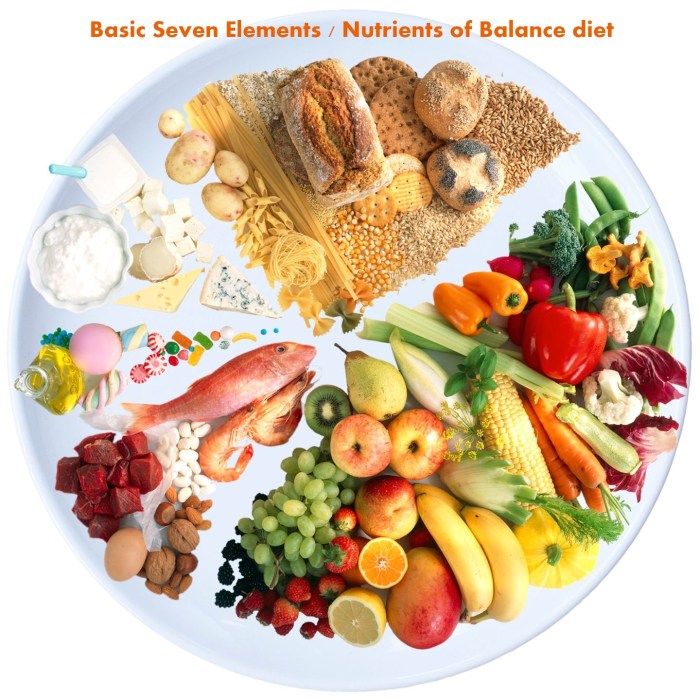
When it comes to planning a balanced diet, it is essential to ensure that your meals incorporate all the necessary nutrients to support your overall health and well-being. Portion control and moderation play a crucial role in maintaining a healthy eating pattern. Below are some tips on how to plan meals that promote a balanced diet and examples of meal plans that showcase this concept.
Tips for Planning Meals with Essential Nutrients
- Include a variety of fruits and vegetables in your meals to ensure you are getting a range of vitamins and minerals.
- Incorporate lean proteins such as chicken, fish, tofu, or legumes to support muscle growth and repair.
- Choose whole grains like brown rice, quinoa, and oats for fiber and sustained energy.
- Don’t forget healthy fats from sources like avocados, nuts, and olive oil to support brain function and heart health.
- Avoid processed foods and sugary drinks, opting instead for whole, nutrient-dense options.
Importance of Portion Control and Moderation
Portion control is vital to prevent overeating and ensure you are consuming the right amount of nutrients for your body’s needs. Moderation is key in enjoying all types of food without going overboard on any one particular item. Balancing your plate with the right portions of protein, carbohydrates, and fats is essential for a well-rounded diet.
Examples of Balanced Meal Plans
| Meal Plan | Components |
|---|---|
| Breakfast | Scrambled eggs with spinach, whole grain toast, and a side of berries |
| Lunch | Grilled chicken salad with mixed greens, quinoa, avocado, and a balsamic vinaigrette dressing |
| Dinner | Baked salmon with roasted sweet potatoes and steamed broccoli |
Importance of Healthy Eating
Eating a balanced diet is crucial for maintaining overall well-being. It provides essential nutrients that support the body’s functions, boost immunity, and prevent chronic diseases.
Nutrition and Mental Wellness
Nutrition plays a significant role in mental wellness. Foods rich in omega-3 fatty acids, such as salmon and walnuts, can improve cognitive function and reduce the risk of depression. Additionally, antioxidants found in fruits and vegetables, like berries and leafy greens, help protect brain cells from damage.
Impact on Physical Health
A balanced diet is essential for physical health as well. Consuming whole grains, lean proteins, and healthy fats can help maintain a healthy weight, reduce the risk of heart disease, and improve energy levels. For example, foods high in fiber, like beans and whole grains, promote digestive health and keep you feeling full longer.
Foods for Mental Clarity and Energy
Certain foods are known to boost mental clarity and energy levels. For instance, foods rich in antioxidants, such as blueberries and dark chocolate, can enhance focus and concentration. Additionally, complex carbohydrates like sweet potatoes and quinoa provide sustained energy throughout the day.
Preventive Care through Diet
Maintaining a balanced diet not only promotes overall health but also plays a crucial role in preventing chronic diseases. By incorporating nutrient-rich foods into your meals, you can boost your immune system and protect your body against various health conditions.
Strengthening the Immune System
Eating foods rich in vitamins, minerals, and antioxidants can help strengthen your immune system. Include plenty of fruits and vegetables in your diet, such as citrus fruits, berries, bell peppers, and leafy greens. These foods are packed with essential nutrients that support immune function and help your body fight off infections.
- Citrus fruits like oranges and grapefruits are high in vitamin C, which is known to boost the immune system.
- Berries such as strawberries, blueberries, and raspberries are rich in antioxidants that help reduce inflammation and protect against oxidative stress.
- Bell peppers are an excellent source of vitamin C and beta-carotene, which can enhance immune function.
- Leafy greens like spinach, kale, and Swiss chard provide vitamins A, C, and K, as well as antioxidants that support overall health.
Remember to include a variety of colorful fruits and vegetables in your meals to ensure you are getting a wide range of nutrients that can strengthen your immune system.
Incorporating Immunity Boosters into Meals
In addition to fruits and vegetables, there are other immunity boosters you can incorporate into your daily meals. Foods like garlic, ginger, turmeric, and yogurt have been shown to have immune-boosting properties. Consider adding these ingredients to your dishes to enhance their nutritional value and support your immune health.
- Garlic contains allicin, a compound that has been linked to immune-boosting effects and may help reduce the severity of colds and flu.
- Ginger has anti-inflammatory and antioxidant properties that can help strengthen the immune system and reduce the risk of chronic diseases.
- Turmeric contains curcumin, a powerful antioxidant with anti-inflammatory properties that can help protect against various health conditions.
- Yogurt is a good source of probiotics, beneficial bacteria that support gut health and enhance immune function.
By including these immunity boosters in your meals, you can provide your body with the necessary nutrients to maintain a strong immune system and reduce the risk of illness.
Physical Fitness and Balanced Diet
Regular exercise and a balanced diet go hand in hand when it comes to maintaining overall health and well-being. Physical fitness plays a crucial role in ensuring the effectiveness of a balanced diet by enhancing nutrient absorption, metabolism, and overall energy levels.
Relationship between Regular Exercise and Balanced Diet
Regular exercise helps to increase metabolism, which in turn aids in better absorption of nutrients from the food we eat. When combined with a balanced diet, physical activity can help in maintaining a healthy weight, improving cardiovascular health, and boosting overall immunity.
- Cardiovascular exercises like running, cycling, or swimming can complement a balanced diet by improving heart health and increasing stamina.
- Strength training exercises such as weightlifting or bodyweight exercises help in building muscle mass and strength, which is essential for overall fitness and metabolism.
- Flexibility exercises like yoga or Pilates can improve flexibility, balance, and posture, enhancing the overall effectiveness of a balanced diet.
Examples of Workout Routines Aligning with a Balanced Diet
When planning workout routines to align with a balanced diet, it is essential to include a mix of cardiovascular, strength training, and flexibility exercises to ensure overall fitness and well-being.
- A sample workout routine could include 30 minutes of cardio exercises like running or cycling, followed by 20 minutes of strength training with weights or bodyweight exercises, and ending with 15 minutes of flexibility exercises such as yoga or stretching.
- Interval training, which alternates between high-intensity exercises and rest periods, can be an effective way to burn calories, improve endurance, and complement a balanced diet.
- Incorporating outdoor activities like hiking, swimming, or playing sports can make workouts more enjoyable and engaging, further enhancing the benefits of a balanced diet.
Mental Wellness and Nutrition
Eating a balanced diet not only impacts physical health but also plays a crucial role in mental wellness and emotional well-being. The food we consume can have a direct effect on our mood, stress levels, and overall mental health.
Foods to Reduce Stress and Improve Mood
- Include foods rich in omega-3 fatty acids, such as salmon, walnuts, and flaxseeds, as they can help reduce anxiety and improve mood.
- Dark chocolate contains antioxidants that can help lower stress hormones in the body and promote a sense of well-being.
- Foods high in magnesium, like spinach, almonds, and avocado, can help relax muscles and calm the nervous system, reducing stress and anxiety.
Tips for Maintaining Mental Wellness Through Nutrition
- Stay hydrated by drinking plenty of water throughout the day to support brain function and regulate mood.
- Avoid excessive caffeine and alcohol consumption, as they can negatively impact mental health and contribute to feelings of anxiety and depression.
- Include a variety of colorful fruits and vegetables in your diet to provide essential vitamins and minerals that support brain health and overall well-being.
Holistic Wellness Approach
Holistic wellness is a concept that focuses on the interconnectedness of physical, mental, emotional, and spiritual health. It emphasizes the importance of treating the whole person rather than just the symptoms of a specific ailment. Diet plays a crucial role in holistic wellness as it directly impacts all aspects of our well-being.
Connection between Diet and Holistic Wellness
A balanced diet that includes a variety of nutrients is essential for promoting holistic well-being. Nutrient-rich foods provide the body with the necessary vitamins, minerals, and antioxidants to support overall health. For example, omega-3 fatty acids found in fish can help improve brain function and reduce inflammation, contributing to mental and emotional well-being.
Examples of Holistic Wellness Practices
- Mindful Eating: Practicing mindfulness while eating can help improve digestion, reduce stress levels, and enhance the overall eating experience.
- Herbal Remedies: Incorporating herbs and spices with medicinal properties into your diet can provide additional health benefits and support holistic wellness.
- Ayurvedic Nutrition: Following Ayurvedic dietary principles based on your body type can help maintain balance and promote overall health and well-being.
- Intuitive Eating: Listening to your body’s hunger and fullness cues can help establish a healthy relationship with food and support emotional wellness.
Managing Chronic Diseases with Diet
When it comes to managing chronic diseases, diet plays a crucial role in supporting overall health and well-being. By following specific dietary recommendations, individuals can effectively manage their conditions and improve their quality of life.
Dietary Recommendations for Common Chronic Diseases
- For individuals with diabetes, it is essential to focus on consuming a balanced diet rich in whole grains, lean proteins, fruits, and vegetables. Monitoring carbohydrate intake and blood sugar levels is key to managing this condition effectively.
- Those with high blood pressure should aim to follow a diet low in sodium and high in potassium, such as the DASH diet. This includes eating plenty of fruits, vegetables, whole grains, and lean proteins while limiting processed foods and added sugars.
- Individuals with heart disease can benefit from a diet that is low in saturated fats, cholesterol, and sodium. Emphasizing heart-healthy fats, such as those found in avocados, nuts, and olive oil, can help improve cardiovascular health.
Success Stories of Managing Diseases through Diet
There are numerous success stories of individuals who have effectively managed chronic diseases through diet and lifestyle changes. For example, by following a plant-based diet and engaging in regular exercise, some individuals have been able to reverse their type 2 diabetes and reduce their dependence on medication.
Boosting Immunity with Food
Eating a variety of nutrient-rich foods can play a significant role in boosting your immune system. By incorporating certain foods into your diet, you can enhance your body’s ability to fight off illnesses and infections.
Immunity-Boosting Foods and Their Benefits
There are several foods known for their immune-boosting properties:
- Citrus fruits: Rich in Vitamin C, which helps increase the production of white blood cells.
- Yogurt: Contains probiotics that support gut health, where a large portion of the immune system resides.
- Garlic: Known for its immune-boosting properties due to its high concentration of sulfur-containing compounds.
Role of Antioxidants and Vitamins
Antioxidants, such as Vitamin E and Vitamin A, help protect cells from damage and boost the immune system. Vitamins like Vitamin D also play a crucial role in immune function.
Recipes or Meal Ideas for Immune Support
Here are some meal ideas to help boost your immunity:
| Meal | Ingredients |
|---|---|
| Immune-Boosting Smoothie | Spinach, berries, Greek yogurt, and flaxseeds |
| Garlic Roasted Chicken | Chicken breast, garlic, olive oil, and herbs |
Helpful Answers
What are some essential food groups for a balanced diet?
Food groups like fruits, vegetables, whole grains, lean proteins, and healthy fats are crucial for a balanced diet.
How can portion control contribute to a balanced diet?
Portion control helps in managing calorie intake, ensuring that you consume the right amount of nutrients without overeating.
What role does physical activity play in maintaining a balanced diet?
Regular exercise complements a balanced diet by supporting overall health, boosting metabolism, and promoting weight management.


More Stories
How to manage cravings with healthy eating: Tips and Strategies for Success