How to Start the Conversation
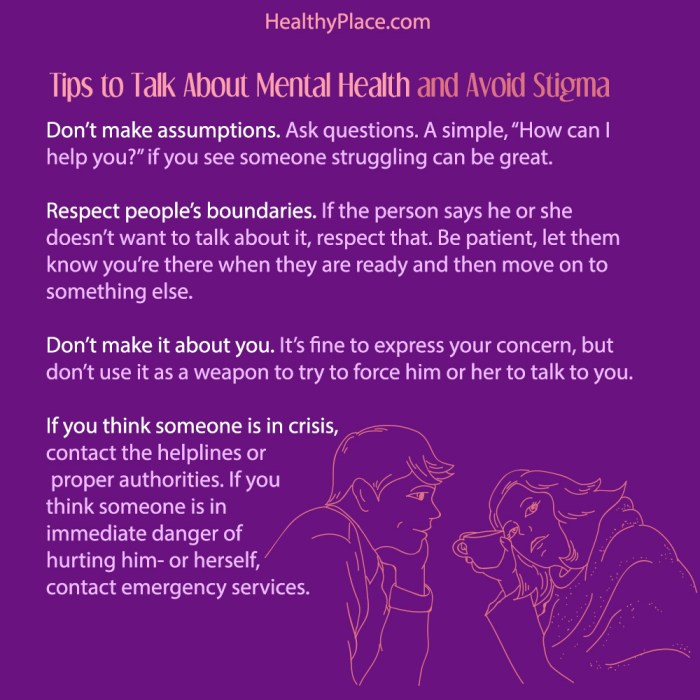
Starting a conversation about mental health with a loved one can be challenging, but it is crucial for their well-being. Here are some tips to help you initiate this important discussion:
Create a Safe and Supportive Environment
- Choose a quiet and private setting where you both feel comfortable and can speak openly.
- Show genuine concern and empathy by actively listening and validating their feelings.
- Avoid judgmental or dismissive comments, and instead, offer your support and understanding.
- Assure them that your conversation is confidential and that you are there to help them through their struggles.
Be Patient and Empathetic
- Understand that discussing mental health can be difficult and emotional for your loved one.
- Give them time to express themselves and share their thoughts without interrupting or rushing the conversation.
- Show empathy by acknowledging their feelings and experiences, even if you may not fully understand them.
- Reassure them that you are there for them and that seeking help is a sign of strength, not weakness.
Explaining Mental Health Concepts
How to talk about mental health with loved ones – Understanding common mental health terms and conditions is crucial in helping loved ones grasp the complexities of mental health. By providing examples of how mental health can impact daily life and relationships, we can foster better understanding and support. Here are some key concepts to consider:
Common Mental Health Terms
- Anxiety: A feeling of worry, nervousness, or unease about something with an uncertain outcome.
- Depression: A mood disorder that causes a persistent feeling of sadness and loss of interest.
- Bipolar Disorder: A mental health condition characterized by extreme mood swings that include emotional highs (mania) and lows (depression).
Impact on Daily Life and Relationships
Mental health issues can significantly impact various aspects of daily life and relationships. For example:
- Struggling to concentrate at work or school due to anxiety or depression.
- Experiencing mood swings that affect communication and interactions with loved ones.
- Feeling overwhelmed by everyday tasks, leading to withdrawal from social activities.
Resources for Further Education
For those looking to deepen their knowledge on mental health topics, there are several resources available:
- Books: “The Anxiety and Phobia Workbook” by Edmund J. Bourne or “Lost Connections” by Johann Hari.
- Online Platforms: Websites like the National Alliance on Mental Illness (NAMI) or Mental Health America offer valuable insights and resources.
- Therapy and Support Groups: Seeking professional help through therapy sessions or joining support groups can provide additional education and guidance.
Sharing Personal Experiences
Sharing personal experiences related to mental health can be a powerful way to destigmatize the topic and create a safe space for open conversations. It allows individuals to connect on a deeper level and foster understanding and empathy.
Benefits of Vulnerability and Openness
Being vulnerable and open about personal mental health struggles can have numerous benefits:
- It helps break down barriers and reduce feelings of isolation.
- It encourages others to share their own experiences and seek help.
- It promotes a sense of community and support.
Fostering Connection and Understanding
Sharing personal stories can lead to:
- Increased empathy and compassion towards others.
- Validation of one’s own struggles and emotions.
- Building stronger relationships based on honesty and trust.
Providing Support and Resources
Supporting a loved one who is struggling with mental health issues is crucial for their well-being. It is important to offer understanding, empathy, and practical help in their time of need.
Ways to Offer Support
- Listen actively and without judgment when they want to talk.
- Encourage them to seek professional help if needed.
- Offer to accompany them to therapy sessions or support group meetings.
- Help them with daily tasks or responsibilities if they are finding it difficult to cope.
- Check in regularly to show your ongoing support and care.
Mental Health Resources
It is essential to be aware of mental health resources that can provide additional support and guidance to your loved one:
Hotlines: Provide immediate help and crisis intervention for those in distress.
Support Groups: Offer a safe space for individuals to share their experiences and connect with others facing similar challenges.
Therapy Options: Professional therapy can be beneficial in addressing mental health concerns and developing coping strategies.
Importance of Self-Care
Self-care is pivotal for both the individual struggling with mental health issues and their loved ones. It is essential to prioritize self-care practices to maintain emotional well-being and resilience.
Connecting Mental Health with Physical Wellness: How To Talk About Mental Health With Loved Ones
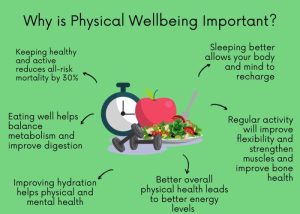
When it comes to mental health, it is essential to recognize the close connection it shares with physical wellness. The state of our minds is intricately linked to our physical well-being, and taking care of our bodies can have a significant impact on our mental health.
The Relationship between Mental Health and Physical Fitness
Regular physical exercise not only helps improve our physical health but also plays a crucial role in maintaining good mental well-being. Exercise releases endorphins, also known as ‘feel-good’ hormones, which can help reduce stress, anxiety, and symptoms of depression.
The Impact of Balanced Diet on Mental Well-being
A balanced diet rich in nutrients is vital for supporting brain function and maintaining optimal mental health. Certain vitamins and minerals, such as omega-3 fatty acids and B vitamins, are particularly important for brain health and can help improve mood and cognitive function.
Incorporating Mental Wellness Practices into Daily Routines
- Practice mindfulness and meditation to help reduce stress and promote mental clarity.
- Get an adequate amount of sleep each night to support cognitive function and emotional well-being.
- Engage in activities that bring you joy and relaxation, such as hobbies or spending time in nature.
- Seek professional help or therapy if needed to address any mental health concerns and prioritize your well-being.
Preventive Care for Mental Health
Maintaining good mental health is essential for overall well-being. By taking preventive measures and being proactive, individuals can reduce the risk of developing mental health issues. It is important to be aware of early signs and symptoms and have strategies in place to manage stress and cope effectively.
Identifying Early Signs of Mental Health Issues
- Changes in sleep patterns or appetite
- Increased irritability or mood swings
- Social withdrawal or isolation
- Difficulty concentrating or making decisions
Addressing Early Signs Proactively
- Open communication with loved ones
- Seeking professional help or therapy
- Engaging in regular physical activity
- Practicing mindfulness and relaxation techniques
Strategies for Stress Management
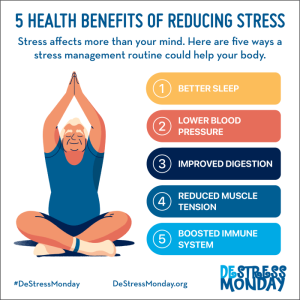
- Regular exercise to reduce tension and improve mood
- Healthy diet and adequate sleep for overall well-being
- Engaging in hobbies or activities that bring joy
- Setting boundaries and learning to say no
Holistic Wellness Approach
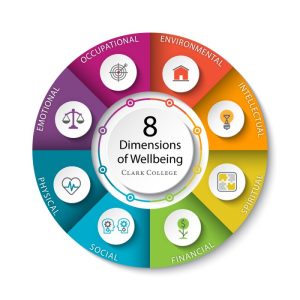
Holistic wellness is an approach that considers the interconnectedness of mental, emotional, and physical well-being in promoting overall health. By addressing all aspects of a person’s life, holistic wellness aims to achieve balance and harmony to support mental health.
Mindfulness and Meditation
- Practicing mindfulness involves being present in the moment, focusing on thoughts and feelings without judgment. This can help reduce stress and improve mental clarity.
- Meditation techniques, such as deep breathing and guided imagery, promote relaxation and emotional well-being by calming the mind and body.
- Regular mindfulness and meditation practices can enhance self-awareness, empathy, and resilience, leading to better mental health outcomes.
Understanding Chronic Diseases and Mental Health
Chronic diseases can have a profound impact on an individual’s mental health. The relationship between physical and mental well-being is complex, with one often influencing the other. Managing chronic illnesses while also addressing mental health needs can present unique challenges for individuals.
Emotional Impact of Chronic Diseases
- Individuals with chronic diseases may experience feelings of depression, anxiety, or stress due to the demands of managing their condition.
- The uncertainty and unpredictability of chronic illnesses can lead to emotional distress and a sense of loss of control.
- Chronic pain and fatigue associated with these diseases can further exacerbate feelings of helplessness and isolation.
Strategies for Coping
- Seeking support from mental health professionals or support groups can provide a safe space to express emotions and receive guidance.
- Engaging in relaxation techniques such as mindfulness, meditation, or yoga can help manage stress and promote emotional well-being.
- Establishing a routine that includes self-care activities, exercise, and healthy eating can contribute to overall mental and physical health.
Boosting Immunity through Mental Well-being

Mental well-being plays a crucial role in boosting immunity and overall health. The mind-body connection is a powerful link that influences immune function, making it essential to prioritize mental health for a stronger immune system.
The Influence of Mind-Body Connection on Immune Function
The mind-body connection refers to the relationship between our thoughts, emotions, and physical health. When we experience stress, anxiety, or negative emotions, it can weaken our immune system, making us more susceptible to illnesses. On the other hand, positive emotions, relaxation techniques, and a healthy mindset can enhance our immune response and overall well-being.
- Practicing mindfulness and meditation can help reduce stress levels and improve immune function.
- Engaging in regular physical activity releases endorphins, which boost mood and strengthen the immune system.
- Getting enough quality sleep is vital for mental health and immune function, as sleep deprivation can weaken immunity.
Tips for Improving Mental Health to Strengthen Immunity, How to talk about mental health with loved ones
Taking care of your mental health is a proactive way to boost immunity and enhance overall wellness. Here are some tips to improve mental well-being and support immune function:
- Connect with loved ones and build a strong support system to reduce feelings of isolation and loneliness.
- Practice self-care activities like journaling, hobbies, or spending time in nature to promote relaxation and reduce stress.
- Seek professional help if needed, such as therapy or counseling, to address underlying mental health concerns and develop coping strategies.
Questions and Answers
How do I approach a loved one about their mental health?
Choose a time when they are relaxed, express your concern in a non-judgmental way, and offer your support.
What if my loved one doesn’t want to talk about their mental health?
Respect their boundaries and let them know you are there for them whenever they are ready to talk.
How can I take care of my own mental health while supporting a loved one?
Set boundaries, seek your own support system, practice self-care, and prioritize your well-being.

More Stories
Benefits of laughter and play for mental wellness: Improving Well-Being Through Joy and Creativity