Mental Wellness
Regular exercise is not only beneficial for physical health but also plays a crucial role in maintaining mental wellness. The connection between physical activity and mental health is well-established, with exercise being a powerful tool to improve mood, reduce stress, anxiety, and symptoms of depression.
Positive Impact of Exercise on Mental Health
- Release of Endorphins: Physical activity triggers the release of endorphins, also known as the “feel-good” hormones, which can help alleviate feelings of sadness or anxiety.
- Reduced Stress: Exercise can act as a stress reliever by reducing levels of cortisol, the stress hormone, in the body.
- Improved Sleep: Regular exercise can improve the quality of sleep, which is essential for overall mental well-being.
- Boost in Self-Esteem: Achieving fitness goals through exercise can boost self-confidence and self-esteem.
Strategies for Maintaining Mental Wellness
- Consistency: Establish a regular exercise routine and stick to it, as consistency is key to reaping the mental health benefits of physical activity.
- Variety: Mix up your workouts to keep things interesting and prevent boredom, which can help maintain motivation levels.
- Mindfulness: Practice mindfulness during exercise by focusing on the present moment and being aware of your body and sensations.
- Social Support: Engage in group fitness classes or exercise with friends to stay connected and motivated.
Physical Fitness
Regular exercise plays a crucial role in improving physical fitness. Tracking progress allows individuals to monitor their improvements over time, motivating them to continue their fitness journey.
Measurable Parameters for Tracking Physical Fitness
- Body composition: Tracking changes in body fat percentage, muscle mass, and overall weight can help assess progress.
- Cardiovascular fitness: Monitoring improvements in heart rate, endurance levels, and VO2 max can indicate enhanced cardiovascular health.
- Strength: Tracking increases in strength through weightlifting or resistance training can show improvements in muscle tone and overall strength.
- Flexibility: Measuring improvements in flexibility and range of motion can signify enhanced mobility and reduced risk of injury.
Correlation between Physical Fitness and Consistent Exercise Habits
Consistent exercise habits are directly linked to improved physical fitness. Regular physical activity helps build endurance, strength, and flexibility, leading to better overall health. By tracking progress, individuals can set goals, stay motivated, and make necessary adjustments to their exercise routines to continue improving their physical fitness levels.
Healthy Eating
Maintaining healthy eating habits is crucial when complementing regular exercise routines. Nutrition plays a significant role in providing the necessary fuel for workouts, aiding in muscle recovery, and overall well-being.
Balanced Diet Tips, How to track progress with regular exercise
- Aim for a variety of fruits, vegetables, whole grains, lean proteins, and healthy fats in your meals to ensure a well-rounded diet.
- Stay hydrated by drinking an adequate amount of water throughout the day, especially before and after workouts.
- Avoid processed foods high in sugar, salt, and unhealthy fats, as they can hinder progress and impact energy levels.
- Plan and prepare meals in advance to avoid impulsive, unhealthy choices when hunger strikes.
- Listen to your body’s hunger and fullness cues to eat mindfully and avoid overeating.
Impact of Nutrition on Fitness
Nutrition directly affects your fitness progress by providing the necessary nutrients for muscle growth, repair, and overall performance. A well-balanced diet can enhance exercise outcomes, improve endurance, and contribute to a healthier lifestyle overall.
Preventive Care
Regular exercise plays a crucial role in preventive care measures by helping to maintain overall health and well-being. By incorporating physical activity into your routine, you can reduce the risk of developing various health conditions and improve your quality of life.
Benefits of Regular Exercise for Preventive Care
- Reduces the risk of chronic diseases such as heart disease, diabetes, and obesity.
- Strengthens the immune system, making you less susceptible to illnesses.
- Improves mental health by reducing stress, anxiety, and depression.
- Helps maintain a healthy weight and prevent obesity-related complications.
- Enhances cardiovascular health and reduces the risk of stroke and high blood pressure.
Importance of Preventive Healthcare Routines
Preventive healthcare routines are essential to complement regular exercise in maintaining optimal health. Regular check-ups, screenings, vaccinations, and healthy lifestyle choices work together to prevent diseases and detect potential issues early on.
- Early detection of health problems can lead to more effective treatment and better outcomes.
- Preventive care can help identify risk factors and make necessary lifestyle changes to prevent future health issues.
- By prioritizing preventive healthcare, individuals can take control of their well-being and reduce healthcare costs in the long run.
Balanced Diet
Eating a balanced diet is crucial when it comes to supporting progress with regular exercise. Not only does it provide the necessary energy to fuel your workouts, but it also helps in muscle recovery and overall performance.
Key Nutrients for Exercise Optimization
- Protein: Essential for muscle repair and growth, protein helps in maintaining and building lean muscle mass. Sources include lean meats, fish, eggs, and plant-based options like tofu and legumes.
- Carbohydrates: Serve as the primary source of energy for your body, especially during high-intensity workouts. Opt for complex carbohydrates like whole grains, fruits, and vegetables for sustained energy levels.
- Healthy Fats: Aid in hormone production and absorption of fat-soluble vitamins, contributing to overall health and performance. Include sources like avocados, nuts, seeds, and olive oil in your diet.
- Vitamins and Minerals: Play a crucial role in various bodily functions, including energy production, muscle contraction, and recovery. Ensure you’re getting a variety of fruits, vegetables, and whole foods to meet your micronutrient needs.
Balanced Diet and Fitness Milestones
A balanced diet not only supports your exercise routine but also plays a significant role in achieving fitness milestones. By providing the necessary nutrients for muscle repair, energy production, and overall health, a balanced diet can help you recover faster, perform better during workouts, and progress towards your fitness goals more effectively. Remember, consistency in both exercise and nutrition is key to seeing results and reaching your desired fitness level.
Regular Exercise
Regular exercise is essential for maintaining overall health and well-being. It not only helps in physical fitness but also plays a crucial role in mental wellness. Tracking progress while engaging in regular exercise is beneficial for several reasons.
Benefits of Tracking Progress
- Allows you to see improvements in endurance, strength, and flexibility over time.
- Motivates you to set and achieve new fitness goals.
- Helps in identifying areas that need more focus or improvement in your exercise routine.
- Keeps you accountable and encourages consistency in your workouts.
Methods for Monitoring and Evaluating Exercise Routines
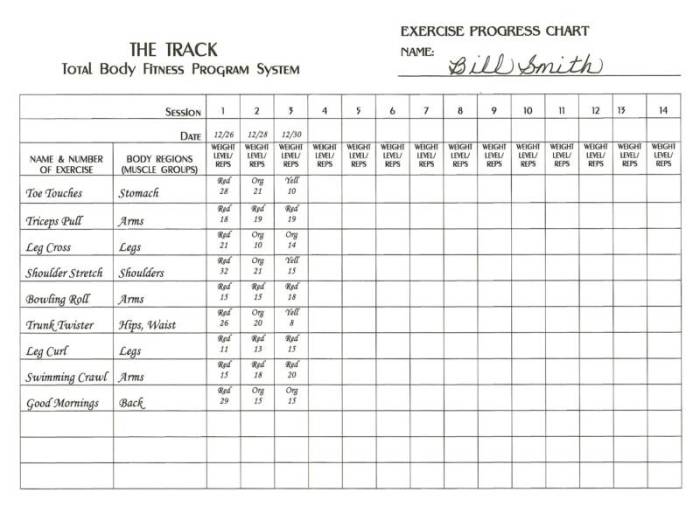
- Keep a workout journal to track the type of exercise, duration, intensity, and any notes on how you felt during the workout.
- Use fitness apps or wearables to monitor your heart rate, calories burned, and steps taken during each session.
- Take progress photos or measurements to visually see changes in your physique over time.
- Track your performance in specific exercises or workouts to monitor improvements in strength or endurance.
Tips for Staying Motivated and Consistent
- Set realistic and achievable fitness goals to keep yourself motivated.
- Find a workout buddy or join group classes to stay accountable and make exercise more enjoyable.
- Mix up your routine to prevent boredom and challenge different muscle groups.
- Reward yourself for reaching milestones or sticking to your exercise plan consistently.
Mental Health
Regular exercise is not only beneficial for physical health but also plays a crucial role in improving mental well-being. The connection between mental health and consistent exercise practices is well-established, with numerous studies highlighting the positive impact of physical activity on mental health conditions. Exercise has been shown to reduce symptoms of anxiety, depression, and stress, while also improving overall mood and cognitive function.
Positive Impact of Exercise on Mental Health
Regular physical activity can positively impact mental health conditions in several ways. Exercise releases endorphins, also known as “feel-good” hormones, which can help alleviate symptoms of depression and anxiety. Additionally, engaging in physical activity promotes better sleep, reduces stress levels, and boosts self-esteem and confidence. The sense of accomplishment and progress achieved through regular exercise can also contribute to a more positive outlook on life.
- Exercise releases endorphins, which can help alleviate symptoms of depression and anxiety.
- Physical activity promotes better sleep, reduces stress levels, and boosts self-esteem.
- The sense of accomplishment and progress achieved through regular exercise can contribute to a more positive outlook on life.
Strategies for Improving Mental Well-being through Exercise
To improve mental well-being through regular physical activity, individuals can incorporate the following strategies into their exercise routine:
- Engage in aerobic exercises such as running, swimming, or cycling, which have been shown to have a positive impact on mental health.
- Practice mindfulness techniques such as yoga or tai chi to enhance the mind-body connection and reduce stress.
- Participate in group exercise classes or team sports to foster social connections and support networks.
- Set realistic goals and track progress to maintain motivation and a sense of achievement.
- Include strength training exercises to improve overall physical health and boost self-confidence.
Holistic Wellness
How to track progress with regular exercise – Holistic wellness is the approach to health that considers the whole person – mind, body, and spirit. It involves maintaining a balance in various aspects of life to achieve overall well-being.
Relationship with Regular Exercise
Regular exercise plays a crucial role in achieving holistic wellness by contributing to physical fitness, mental health, and emotional well-being. It helps in managing stress, improving mood, boosting self-esteem, and enhancing cognitive function.
Incorporating Various Wellness Practices
- Include activities like yoga, meditation, or mindfulness practices to improve mental clarity and reduce anxiety.
- Focus on getting an adequate amount of sleep to allow the body to rest and recover.
- Engage in social activities to build connections and support networks for emotional well-being.
Tips for Achieving Holistic Wellness
- Follow a balanced diet rich in fruits, vegetables, whole grains, lean proteins, and healthy fats.
- Stay hydrated by drinking plenty of water throughout the day.
- Practice stress-reducing techniques such as deep breathing exercises or spending time in nature.
- Set aside time for hobbies and activities that bring you joy and fulfillment.
Chronic Diseases: How To Track Progress With Regular Exercise
Regular exercise plays a crucial role in preventing chronic diseases by promoting overall health and reducing the risk factors associated with various conditions. It is essential to understand how exercise can help manage and improve specific chronic illnesses while also reducing the risk of developing such conditions.
Prevention of Chronic Diseases
Regular physical activity has been shown to lower the risk of developing chronic diseases such as heart disease, type 2 diabetes, and certain types of cancer. By engaging in regular exercise, individuals can maintain a healthy weight, improve cardiovascular health, and enhance overall immune function. This can significantly reduce the likelihood of developing these debilitating conditions.
- Exercise helps regulate blood pressure, cholesterol levels, and blood sugar, all of which are crucial in preventing heart disease and diabetes.
- Physical activity promotes healthy circulation and oxygen flow, which can reduce the risk of stroke and cardiovascular issues.
- Regular exercise also aids in maintaining a healthy metabolism, reducing the risk of obesity and related health problems.
Management of Chronic Conditions
In addition to prevention, exercise can also play a vital role in managing chronic diseases that individuals may already be dealing with. Conditions such as arthritis, osteoporosis, and chronic pain can be improved through regular physical activity.
- Exercise helps strengthen muscles and joints, providing better support and reducing pain for individuals with arthritis or osteoporosis.
- Physical activity can also improve flexibility and range of motion, making daily activities easier for those with chronic pain conditions.
- Regular exercise releases endorphins, which act as natural painkillers and mood enhancers, benefiting individuals dealing with chronic pain or mental health issues.
Reduced Risk of Developing Chronic Illnesses
By incorporating regular exercise into one’s lifestyle, individuals can significantly reduce their risk of developing chronic illnesses in the future. Engaging in physical activity not only improves overall health but also boosts immunity and enhances the body’s ability to fight off diseases.
- Exercise helps regulate inflammation in the body, reducing the risk of chronic conditions such as inflammatory diseases and autoimmune disorders.
- Physical activity boosts the immune system, making individuals less susceptible to infections and illnesses.
- Regular exercise promotes healthy aging, reducing the risk of cognitive decline, dementia, and other age-related chronic diseases.
Immunity Boosters
Regular exercise plays a crucial role in boosting immunity by strengthening the body’s defense mechanisms. When you engage in physical activity, you enhance various aspects of your immune system, leading to better protection against illnesses and infections. Let’s explore how exercise contributes to a stronger immune system and the best practices to maximize its benefits.
Link Between Exercise and Immunity
Regular exercise has been shown to have a positive impact on the immune system by promoting circulation, which allows immune cells to move freely throughout the body. Additionally, physical activity can help flush bacteria out of the lungs and airways, reducing the chances of getting sick. Moreover, exercise leads to the release of endorphins, which can help reduce stress levels that weaken the immune system.
How Exercise Boosts Immunity
– Regular exercise can help increase the production of antibodies and white blood cells, which are crucial in fighting off infections.
– Physical activity improves circulation, allowing immune cells to detect and respond to threats more effectively.
– Exercise promotes better sleep, which is essential for a healthy immune system as sleep is when the body repairs and regenerates cells.
Best Practices for Enhancing Immunity Through Exercise
- Aim for at least 150 minutes of moderate-intensity exercise per week to reap the immune-boosting benefits.
- Include a combination of aerobic exercises, strength training, and flexibility exercises in your routine for overall immunity support.
- Listen to your body and avoid overtraining, as excessive exercise can actually weaken the immune system.
- Stay hydrated before, during, and after exercise to support immune function and overall health.
- Combine exercise with a balanced diet rich in fruits, vegetables, lean proteins, and whole grains for optimal immune system support.
Clarifying Questions
How often should I track my progress?
You can track your progress weekly or bi-weekly to ensure you are on the right path towards your fitness goals.
What are some effective ways to monitor physical fitness progress?
Measuring body composition, tracking workout performance, and keeping a fitness journal are great methods to monitor physical fitness progress.
Is it necessary to track mental wellness alongside physical progress?
Absolutely, mental wellness plays a crucial role in overall well-being, so tracking it alongside physical progress is essential for a holistic approach to fitness.

More Stories