Introduction to Balanced Diet Strategies for Children
Balanced diet strategies for children – A balanced diet for children includes a variety of foods that provide essential nutrients to support their growth and development.
It is crucial to provide children with a balanced diet as it helps in maintaining their overall health, supporting their immune system, and ensuring proper cognitive and physical development.
The Role of Balanced Nutrition in Children’s Growth and Development
- Proper nutrition is essential for children as it helps in building strong bones, muscles, and tissues.
- Balanced diet supports brain development and cognitive function, aiding in learning and concentration.
- Essential nutrients like vitamins, minerals, proteins, and carbohydrates play a crucial role in boosting children’s immune system and overall health.
- Providing a balanced diet early in life sets a foundation for healthy eating habits that can last a lifetime.
Components of a Balanced Diet for Children
Eating a variety of foods from different food groups is essential for children to ensure they receive all the necessary nutrients for growth and development.
Essential Food Groups
- Fruits: Aim for 1 to 1.5 cups of fruits per day for children, depending on their age.
- Vegetables: Children should consume 1.5 to 2.5 cups of vegetables daily, depending on their age.
- Grains: Include whole grains such as whole wheat bread, brown rice, and oatmeal in their diet.
- Proteins: Sources like lean meat, poultry, fish, beans, and nuts are important for muscle development.
- Dairy: Opt for low-fat or fat-free dairy products like milk, yogurt, and cheese to support bone health.
Recommended Daily Intake of Fruits and Vegetables
Children should consume a variety of fruits and vegetables daily to ensure they get essential vitamins, minerals, and fiber. The recommended daily intake includes:
- 1 to 1.5 cups of fruits
- 1.5 to 2.5 cups of vegetables
Significance of Proteins, Carbohydrates, and Fats
Proteins are crucial for growth and repair of tissues, carbohydrates provide energy for daily activities, and fats are essential for brain development. Including these macronutrients in a child’s diet in appropriate amounts is important for overall health and well-being.
Healthy Eating Habits for Children
Promoting healthy eating habits in children is crucial for their overall growth and development. By instilling good habits early on, you can set the foundation for a lifetime of healthy choices. Meal planning and portion control play a significant role in ensuring children receive the nutrients they need without overindulging. Encouraging children to try new foods and develop a diverse palate can expand their tastes and provide a variety of nutrients essential for their well-being.
The Importance of Meal Planning and Portion Control
Meal planning helps ensure that children receive a balanced diet with all the necessary nutrients. By preparing meals in advance, you can make sure that each meal includes a variety of food groups such as fruits, vegetables, whole grains, lean proteins, and dairy. Portion control is equally important as it helps prevent overeating and teaches children to listen to their body’s hunger cues.
- Involve children in meal planning and preparation to get them excited about trying new foods.
- Use smaller plates and bowls to control portion sizes and prevent overeating.
- Encourage children to eat slowly and listen to their body when they feel full.
- Limit the consumption of processed and sugary foods, opting for whole and nutrient-dense options instead.
Encouraging Children to Try New Foods
Introducing a variety of foods to children from a young age can help them develop a diverse palate and expand their food choices. Making mealtime fun and engaging can encourage children to be more adventurous with their food selections.
- Offer a variety of fruits, vegetables, whole grains, lean proteins, and dairy products to expose children to different flavors and textures.
- Be a role model by eating a variety of foods yourself and showing enthusiasm for trying new dishes.
- Get creative with presentation by making food visually appealing and incorporating fun shapes or colors.
- Try incorporating new foods gradually and be patient as children may need multiple exposures to develop a liking for certain foods.
Preventive Care Measures for Children’s Nutrition
Regular check-ups are essential for monitoring children’s nutritional health. These visits allow healthcare providers to track growth and development, identify any potential nutritional deficiencies, and offer guidance on maintaining a balanced diet. It is crucial for parents to schedule routine appointments to ensure their child’s overall well-being.
Role of Vaccinations in Preventing Diseases
Vaccinations play a crucial role in preventing diseases related to nutritional deficiencies by boosting the immune system’s response to infections. Ensuring that children receive all recommended vaccines helps protect them from illnesses that can be more severe in cases of poor nutrition. Vaccinations are a key component of preventive care measures for children’s health.
Identifying Signs of Nutritional Imbalances, Balanced diet strategies for children
It is important for parents to be aware of signs that may indicate nutritional imbalances in children. These signs can include slow growth, frequent infections, fatigue, poor concentration, and changes in appetite. If any of these symptoms are observed, it is essential to consult with a healthcare provider to address the issue promptly. Taking preventive action through dietary changes or supplementation can help maintain optimal nutritional health in children.
Physical Fitness Activities for Children

Regular physical activity is crucial for children’s overall health and well-being. Engaging in age-appropriate exercises not only helps in maintaining a healthy weight but also promotes physical development, strengthens bones and muscles, improves coordination, and boosts mood and mental health.
Age-Appropriate Physical Activities
- Preschoolers (Ages 3-5): Encourage activities like running, jumping, dancing, and playing tag to enhance motor skills and coordination.
- School-Aged Children (Ages 6-12): Introduce team sports, swimming, biking, and activities that focus on building strength, endurance, and social skills.
- Teens (Ages 13-18): Engage in activities such as running, strength training, yoga, and organized sports to promote cardiovascular health and overall fitness.
Benefits of Regular Exercise
Regular exercise in children offers numerous benefits, including:
- Improved cardiovascular health
- Enhanced muscle strength and flexibility
- Boosted immune system
- Increased energy levels
- Enhanced mood and mental well-being
Fun and Engaging Activities
- Outdoor games like tag, hide and seek, and relay races
- Dancing to favorite music or following exercise videos
- Family walks, hikes, or bike rides
- Obstacle courses in the backyard or local park
- Yoga or stretching routines for relaxation and flexibility
Mental Wellness in Children
Proper nutrition plays a crucial role in promoting positive mental health in children. The connection between nutrition and mental well-being is significant, as certain nutrients can impact mood, behavior, and cognitive function.
Strategies for Promoting Positive Mental Well-being in Children
Creating a supportive environment that fosters children’s mental wellness is essential. Here are some strategies to promote positive mental well-being in children:
- Encourage a balanced diet rich in fruits, vegetables, whole grains, lean proteins, and healthy fats.
- Limit processed foods, sugary snacks, and beverages high in sugar, as they can negatively affect mood and behavior.
- Ensure children stay hydrated throughout the day by drinking plenty of water.
- Promote regular physical activity, as exercise is known to boost mood and reduce feelings of stress and anxiety.
- Encourage open communication and provide a safe space for children to express their emotions and feelings.
Creating a Supportive Environment for Children’s Mental Wellness
It is essential to create a supportive environment that fosters children’s mental wellness. Here are some tips to help promote a positive mental state in children:
- Establish routines to provide structure and stability in children’s lives.
- Encourage healthy sleeping habits to ensure children get enough rest for optimal brain function.
- Teach children coping mechanisms to deal with stress and challenging situations.
- Model positive behavior and attitudes towards mental health to set a good example for children.
- Seek professional help if needed and prioritize mental health screenings as part of regular healthcare check-ups.
Immunity Boosters for Children
Ensuring strong immunity in children is crucial for their overall health and well-being. Here are some key strategies to boost children’s immune systems:
Immune-Boosting Foods
Introducing immune-boosting foods into a child’s diet can help strengthen their immune system. Some examples of such foods include:
- Fruits rich in Vitamin C, such as oranges, strawberries, and kiwi
- Vegetables like spinach, broccoli, and bell peppers
- Probiotic-rich foods like yogurt and kefir
- Lean proteins such as chicken, turkey, and fish
Adequate Sleep and Rest
Getting enough sleep and rest is essential for boosting children’s immunity. Quality sleep helps the body repair and regenerate cells, strengthening the immune system. Encourage a consistent bedtime routine and limit screen time before bed to promote good sleep hygiene.
Regular Physical Activity
Engaging in regular physical activity is another crucial factor in enhancing a child’s immune health. Exercise helps boost circulation, improve cardiovascular health, and promote overall well-being. Encourage children to participate in activities they enjoy, such as sports, dancing, or outdoor play.
Holistic Wellness Approach for Children
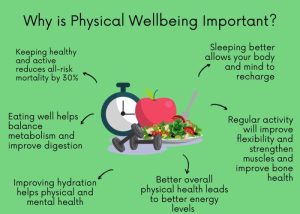
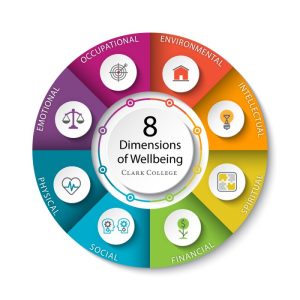
A holistic approach to wellness for children involves integrating nutrition, exercise, and mental health to ensure overall well-being. By focusing on all aspects of a child’s health, this approach aims to promote balance and harmony in their physical, mental, and emotional development.
Nutrition and Balanced Diet
To implement a holistic wellness strategy, it is essential to provide children with a balanced diet rich in essential nutrients. Encourage the consumption of fruits, vegetables, whole grains, lean proteins, and healthy fats to support their growth and development.
Physical Fitness and Exercise
Regular physical activity is crucial for children’s overall health. Encourage them to engage in age-appropriate exercises and activities that promote strength, flexibility, and cardiovascular fitness. This can include outdoor play, sports, dance, yoga, or simply walking and biking.
Mental Health and Emotional Well-being
Incorporate mindfulness practices, relaxation techniques, and open communication to support children’s mental health. Encourage them to express their emotions, practice gratitude, and develop healthy coping mechanisms to manage stress and anxiety.
Benefits of Holistic Wellness
By embracing a holistic wellness approach, children can experience improved physical health, enhanced cognitive function, better emotional regulation, and increased resilience. This comprehensive strategy can help them thrive in all aspects of their lives and establish healthy habits for the future.
Implementing Holistic Wellness
Create a daily routine that includes nutritious meals, physical activities, relaxation time, and opportunities for emotional expression. Involve children in meal planning, encourage outdoor play, prioritize quality sleep, and foster a supportive environment that values their overall well-being.
Managing Chronic Diseases through Diet
Proper nutrition plays a vital role in managing chronic diseases in children. By following specific dietary guidelines, children can better control conditions like diabetes or allergies, leading to improved overall health and well-being.
Dietary Considerations for Children with Chronic Conditions
- Children with diabetes should focus on consuming a balanced diet rich in fruits, vegetables, whole grains, lean proteins, and healthy fats. Monitoring carbohydrate intake is crucial to manage blood sugar levels effectively.
- For children with allergies, it is essential to identify and avoid trigger foods. Working with a healthcare provider or allergist to develop a meal plan that eliminates allergens while ensuring proper nutrition is key.
- Special attention should be given to food sensitivities or intolerances, as they can exacerbate symptoms of chronic diseases. Eliminating trigger foods and incorporating suitable alternatives is essential.
Creating a Customized Nutrition Plan
- Collaborate with healthcare providers, including dietitians and doctors, to develop a personalized nutrition plan tailored to the child’s specific needs and condition.
- Regularly monitor the child’s progress and make adjustments to the meal plan as needed to ensure optimal management of the chronic disease.
- Educate the child and family members about the importance of following the nutrition plan consistently to achieve the best outcomes in managing the chronic condition.
Detailed FAQs: Balanced Diet Strategies For Children
What are some easy ways to encourage children to try new foods?
One effective way is to involve children in the cooking process and make trying new foods a fun and exciting experience.
How can I identify signs of nutritional imbalances in my child?
Look out for symptoms like fatigue, frequent illness, slow growth, and behavioral changes, and consult a healthcare provider if you have concerns.
What are some immune-boosting foods that children can consume?
Foods like citrus fruits, yogurt, almonds, and green leafy vegetables are excellent choices to strengthen the immune system.
Why is meal planning important for children?
Meal planning ensures that children receive a variety of nutrients and helps in maintaining a balanced diet.
How can I promote positive mental well-being in my child?
Encourage open communication, provide emotional support, and create a nurturing environment at home to promote mental wellness.


More Stories