Benefits of Laughter and Play for Mental Wellness
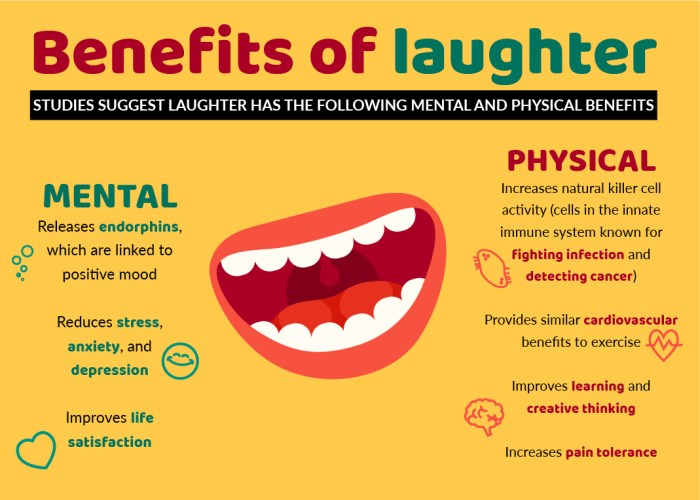
Laughter and play have profound effects on mental wellness, offering a range of benefits that can positively impact overall well-being.
Laughter releases endorphins, often referred to as “feel-good” hormones, which can help reduce the levels of stress hormones in the body. This natural response to laughter can lead to a decrease in feelings of anxiety and tension, promoting a sense of relaxation and overall well-being.
Engaging in playful activities can also have a significant impact on mental wellness. Play has been shown to enhance creativity by allowing individuals to explore new ideas and ways of thinking. Additionally, play can improve problem-solving skills by encouraging individuals to think outside the box and approach challenges in a more innovative manner.
Impact of Laughter on Improving Mood and Promoting Relaxation
- Laughter triggers the release of endorphins, which are known to elevate mood and create a sense of well-being.
- Reducing stress hormones through laughter can help alleviate feelings of anxiety and promote relaxation.
- Regular laughter can lead to a more positive outlook on life and improved emotional resilience.
Enhancement of Creativity and Problem-Solving Skills Through Play
- Engaging in play allows individuals to explore new ideas and perspectives, fostering creativity.
- Play encourages individuals to think creatively and find innovative solutions to problems.
- By engaging in playful activities, individuals can improve their ability to approach challenges with a fresh perspective.
Mental Wellness
Laughter and play are essential for mental wellness, but there are other activities that can also promote a healthy mind. Engaging in regular physical exercise, practicing mindfulness, maintaining social connections, and getting enough sleep are all crucial for mental well-being.
Activities Promoting Mental Wellness
- Exercise: Regular physical activity can help reduce stress, anxiety, and depression while improving mood and cognitive function.
- Art therapy: Engaging in creative activities like painting, drawing, or crafting can be therapeutic and promote self-expression.
- Nature walks: Spending time in nature has been shown to reduce mental fatigue, improve mood, and enhance overall well-being.
Importance of Mindfulness Practices
Practicing mindfulness, such as meditation or deep breathing exercises, can help individuals stay present in the moment, reduce stress, and improve emotional regulation. Mindfulness techniques promote self-awareness and acceptance, leading to a more positive outlook on life.
Connection Between Mental Wellness and Quality of Life
Mental wellness is closely linked to overall quality of life. When individuals prioritize their mental health, they are better able to cope with life’s challenges, maintain healthy relationships, and experience greater satisfaction and fulfillment. Taking care of mental well-being is essential for a balanced and fulfilling life.
Physical Fitness
Regular physical activity plays a crucial role in maintaining good mental health. Exercise has been shown to reduce symptoms of anxiety and depression, improve mood, and enhance overall mental well-being.
Relationship between Exercise and Improved Cognitive Function
Exercise not only benefits the body but also has a positive impact on cognitive function. Physical activity increases blood flow to the brain, promoting the growth of new brain cells and improving overall brain function. Regular exercise has been linked to better memory, increased focus, and enhanced problem-solving skills.
Examples of Exercises for Mental Wellness
- Cardiovascular exercises such as running, swimming, or cycling are great for boosting mood and reducing symptoms of anxiety and depression.
- Yoga and Pilates can help reduce stress levels and improve concentration and mindfulness.
- Strength training exercises like weightlifting or bodyweight exercises not only improve physical strength but also contribute to a sense of accomplishment and confidence.
- Dance workouts are fun and engaging, providing a mood-boosting effect through music and movement.
Healthy Eating
Benefits of laughter and play for mental wellness – Proper nutrition plays a crucial role in maintaining good mental health. The food we consume can have a significant impact on our mood, energy levels, and overall well-being.
Impact of Nutrition on Mental Health
Eating a balanced diet rich in essential nutrients can help support brain function and reduce the risk of mental health disorders. Nutrients like omega-3 fatty acids, vitamins, minerals, and antioxidants are known to play a key role in cognitive function and emotional well-being.
Benefits of a Balanced Diet for Overall Well-being
- Improved mood and reduced risk of depression and anxiety disorders
- Enhanced cognitive function and focus
- Increased energy levels and motivation
- Better stress management and resilience
Foods that Support Mental Wellness
A variety of foods can help support mental wellness by providing essential nutrients. Some examples include:
- Fatty fish like salmon, mackerel, and sardines, rich in omega-3 fatty acids
- Leafy greens such as spinach and kale, packed with vitamins and minerals
- Nuts and seeds like almonds, walnuts, and flaxseeds, great sources of healthy fats
- Whole grains like quinoa, brown rice, and oats, providing sustained energy levels
- Berries such as blueberries, strawberries, and blackberries, loaded with antioxidants
Preventive Care
In maintaining mental wellness, preventive care plays a crucial role in identifying and addressing potential issues before they escalate. Regular check-ups and proactive measures are essential for promoting overall mental well-being.
Early Detection through Regular Check-ups
Regular mental health check-ups are important for early detection of any underlying issues that may affect mental wellness. Professionals can provide guidance and support to address concerns before they become more severe.
Preventive Measures for Mental Well-being
- Engage in regular physical exercise to reduce stress and improve mood.
- Practice mindfulness and relaxation techniques to manage anxiety and promote mental clarity.
- Maintain a healthy diet rich in nutrients that support brain function and overall well-being.
- Establish a support system of friends, family, or mental health professionals for emotional support.
- Set boundaries and prioritize self-care to prevent burnout and overwhelm.
Holistic Wellness

Holistic wellness refers to the approach of addressing physical, mental, and emotional aspects to achieve overall well-being. This concept recognizes the interconnectedness of these aspects and emphasizes the importance of treating the whole person, not just isolated symptoms.
Examples of Holistic Approaches to Improving Mental Wellness
- Yoga and Meditation: Practices like yoga and meditation not only promote physical fitness but also help reduce stress and improve mental clarity.
- Healthy Nutrition: Eating a balanced diet rich in nutrients can support brain health and overall mental well-being.
- Therapy and Counseling: Seeking therapy or counseling can address emotional issues and provide tools to manage stress and improve mental health.
- Physical Activity: Regular exercise not only benefits physical health but also releases endorphins that boost mood and reduce symptoms of anxiety and depression.
Chronic Diseases: Benefits Of Laughter And Play For Mental Wellness
The relationship between chronic diseases and mental health is significant and complex. Chronic illnesses can often lead to increased levels of stress, anxiety, and depression. The physical symptoms and limitations imposed by these conditions can also have a significant impact on an individual’s mental well-being.
Impact of managing chronic conditions on mental wellness, Benefits of laughter and play for mental wellness
Managing chronic conditions can have a profound impact on mental wellness. It requires individuals to cope with ongoing physical symptoms, medical treatments, and lifestyle adjustments, which can be emotionally challenging. The stress of managing a chronic disease can exacerbate existing mental health issues or lead to the development of new ones.
- Developing a strong support system: Connecting with friends, family, or support groups can help individuals cope with the emotional challenges of living with a chronic disease. Sharing experiences and feelings with others who understand can provide a sense of belonging and reduce feelings of isolation.
- Seeking professional help: It is essential for individuals living with chronic diseases to seek the support of mental health professionals, such as therapists or counselors. These professionals can provide coping strategies, emotional support, and tools to manage stress and anxiety effectively.
- Practicing self-care: Engaging in self-care activities, such as mindfulness meditation, relaxation techniques, or hobbies, can help individuals reduce stress and improve their overall mental well-being. Taking time to prioritize mental health is crucial in managing the challenges of living with a chronic condition.
- Setting realistic goals: Setting achievable goals and focusing on small victories can help individuals maintain a positive outlook and sense of control over their lives. Celebrating progress, no matter how small, can boost self-esteem and motivation.
Immunity Boosters
Mental wellness plays a crucial role in strengthening our immune system. When we take care of our mental health, it positively impacts our body’s ability to fight off infections and diseases. Let’s explore how reducing stress and improving mental wellness can boost our immunity.
Connection between Stress Reduction and Improved Immunity
Chronic stress can weaken the immune system, making us more susceptible to illnesses. On the other hand, managing stress through relaxation techniques, mindfulness, and engaging in activities that bring joy and laughter can enhance immune function. When we prioritize mental wellness, we create a more resilient immune response to external threats.
- Practicing daily meditation or deep breathing exercises can lower stress hormones and promote a healthier immune system.
- Engaging in regular physical activity not only benefits mental health but also strengthens the immune system by increasing circulation and promoting overall well-being.
- Building strong social connections and nurturing supportive relationships can reduce feelings of isolation and boost immunity through positive emotional experiences.
FAQs
How does laughter specifically benefit mental wellness?
Laughter releases endorphins, reduces stress hormones, and improves mood, all of which contribute to overall mental well-being.
What are some examples of activities that promote mental wellness through play?
Engaging in activities like board games, outdoor sports, or creative hobbies can promote mental wellness by stimulating creativity and problem-solving skills.
How does mindfulness practice relate to mental well-being?
Mindfulness practices help individuals stay present, reduce stress, and improve overall mental well-being by fostering a sense of calm and awareness.


More Stories
How to talk about mental health with loved ones: A guide to open and honest conversations