How to transition to a balanced diet from unhealthy eating habits – Transitioning to a balanced diet from unhealthy eating habits sets the stage for a journey towards better health and well-being. It’s a process that requires understanding, planning, and commitment. This guide will equip you with the knowledge and strategies to make this transition successfully, paving the way for a healthier lifestyle.
Many people struggle with unhealthy eating habits, often due to factors like convenience, stress, or simply a lack of awareness. However, by making gradual changes and adopting a mindful approach, you can transform your relationship with food and reap the numerous benefits of a balanced diet.
Understanding the Need for Change
Unhealthy eating habits can lead to various health problems, affecting your overall well-being. Transitioning to a balanced diet is crucial for preventing these risks and reaping numerous benefits.
Health Risks Associated with Unhealthy Eating Habits
Unhealthy eating habits can significantly impact your health, increasing your risk of developing chronic diseases.
- Heart disease:Diets high in saturated and trans fats, cholesterol, and sodium can contribute to high blood pressure and clogged arteries, increasing the risk of heart attacks and strokes.
- Type 2 diabetes:Consuming excessive sugar and refined carbohydrates can lead to insulin resistance, a condition where the body cannot properly use insulin to regulate blood sugar levels. This can eventually lead to type 2 diabetes.
- Obesity:A diet high in calories, especially from unhealthy sources, can lead to weight gain and obesity. This can increase the risk of developing various health problems, including heart disease, diabetes, and some types of cancer.
- Some types of cancer:Certain diets high in processed foods, red meat, and sugary drinks have been linked to an increased risk of developing some types of cancer.
- Osteoporosis:A diet low in calcium and vitamin D can contribute to weak bones, increasing the risk of fractures.
- Mental health issues:Some studies suggest a link between unhealthy eating habits and mental health problems, such as depression and anxiety.
Benefits of a Balanced Diet
Adopting a balanced diet can have a profound impact on your health and well-being, leading to numerous benefits:
- Improved energy levels:A balanced diet provides your body with the essential nutrients it needs to function optimally, leading to increased energy levels and reduced fatigue.
- Weight management:A balanced diet, combined with regular physical activity, can help you maintain a healthy weight or lose excess weight.
- Reduced risk of chronic diseases:A balanced diet can help lower your risk of developing chronic diseases, such as heart disease, diabetes, and some types of cancer.
- Improved mental health:Some studies suggest that a balanced diet can contribute to improved mental health and reduce the risk of developing mental health problems.
- Stronger immune system:A balanced diet provides your body with the nutrients it needs to support a strong immune system, helping you fight off infections and diseases.
- Improved skin health:A balanced diet rich in fruits, vegetables, and antioxidants can contribute to healthier, glowing skin.
Personal Stories and Anecdotes
Many people have experienced positive transformations after adopting a balanced diet.
“After years of struggling with my weight and feeling sluggish, I finally decided to make a change. I started eating more fruits, vegetables, and whole grains, and I started feeling more energized and healthier. I also lost a significant amount of weight and feel much better about myself.”
Sarah, 35
“I was diagnosed with high cholesterol, and my doctor recommended I make some dietary changes. I started eating a balanced diet, and within a few months, my cholesterol levels had significantly improved. I feel much healthier and more confident about my health.”
John, 50
These are just a few examples of how adopting a balanced diet can have a positive impact on your life.
Setting Realistic Goals
Going cold turkey on unhealthy habits can be incredibly challenging and often leads to setbacks. Instead of drastic changes, focus on making gradual adjustments that fit seamlessly into your lifestyle.
Design a Gradual Transition Plan
A gradual transition plan is key to sustainable change. It’s about taking small, manageable steps towards your goal. Imagine building a staircase, each step represents a small change, leading you gradually to your desired outcome.
“The journey of a thousand miles begins with a single step.”
Lao Tzu
- Start by identifying one or two unhealthy habits you’d like to change. Focus on these initially, rather than trying to tackle everything at once.
- Replace unhealthy choices with healthier alternatives. For example, instead of sugary drinks, opt for water or unsweetened tea. This helps you gradually reduce your intake of unhealthy ingredients.
- Slowly increase the frequency of healthy choices. Begin with a few days a week and gradually increase it to more frequent days. This helps you build healthy habits without feeling overwhelmed.
Identify Specific Unhealthy Habits
Identify the specific habits you want to change to make the transition easier. These could be:
- Excessive consumption of processed foods, sugary drinks, and unhealthy fats.
- Lack of fruits, vegetables, and whole grains in your diet.
- Skipping meals or eating irregularly.
- Eating large portions.
- Snacking on unhealthy foods between meals.
Create a Personalized Diet Plan
A personalized diet plan with achievable goals is essential for success. It should be tailored to your individual needs and preferences.
- Set realistic goals. Aim for gradual changes rather than drastic overhauls. For example, instead of eliminating all sugary drinks, start by reducing your intake by one drink per day.
- Include a variety of foods from all food groups. Ensure you get enough fruits, vegetables, whole grains, lean protein, and healthy fats.
- Focus on portion control. Pay attention to the size of your meals and snacks.
- Listen to your body’s hunger and fullness cues. Eat when you’re hungry and stop when you’re satisfied.
- Be patient and persistent. It takes time to develop healthy habits. Don’t get discouraged if you slip up occasionally. Just get back on track as soon as possible.
Incorporating Healthy Foods
Transitioning to a balanced diet involves incorporating a variety of nutrient-rich foods that nourish your body and provide essential vitamins, minerals, and fiber. This section will guide you through understanding the importance of various food groups and provide examples of healthy and delicious recipes to get you started.
Nutrient-Rich Foods
A balanced diet should include a variety of foods from all food groups. This ensures you receive all the essential nutrients your body needs.
- Fruits and Vegetables:Fruits and vegetables are packed with vitamins, minerals, antioxidants, and fiber. Aim for at least five servings per day.
- Whole Grains:Choose whole grains over refined grains, as they provide more fiber and nutrients. Examples include brown rice, quinoa, whole-wheat bread, and oats.
- Lean Protein:Protein is essential for building and repairing tissues. Include lean sources of protein such as fish, chicken, beans, lentils, tofu, and eggs.
- Healthy Fats:Healthy fats are important for heart health and hormone production. Include sources like avocados, nuts, seeds, and olive oil.
- Dairy:Dairy products provide calcium, vitamin D, and protein. Choose low-fat or fat-free options. If you’re lactose intolerant, consider plant-based alternatives like almond milk or soy yogurt.
Healthy Recipes
Here are a few simple and delicious recipes that incorporate nutrient-rich foods:
- Salmon with Roasted Vegetables:Roast broccoli, carrots, and zucchini with olive oil, salt, and pepper. Serve with grilled salmon and a squeeze of lemon juice.
- Lentil Soup:Combine lentils, chopped onions, carrots, celery, and vegetable broth in a pot. Simmer until the lentils are tender. Add spices like cumin, turmeric, and paprika for flavor.
- Quinoa Salad with Grilled Chicken:Combine cooked quinoa with chopped cucumber, tomatoes, bell peppers, and grilled chicken. Toss with a light vinaigrette made with olive oil, lemon juice, and herbs.
Meal Planning
Meal planning is crucial for staying on track with a balanced diet. Here’s a sample meal plan that demonstrates portion control and balanced food groups:
- Breakfast:Oatmeal with berries and nuts
- Lunch:Salad with grilled chicken or fish and a side of quinoa
- Dinner:Lentil soup with a whole-wheat roll
- Snacks:Fruits, vegetables, nuts, or yogurt
Remember, this is just a sample meal plan, and you can adjust it to your preferences and dietary needs. The key is to include a variety of nutrient-rich foods from all food groups in each meal.
Managing Cravings and Triggers: How To Transition To A Balanced Diet From Unhealthy Eating Habits
Transitioning to a balanced diet often involves navigating cravings and triggers that can derail your efforts. Understanding these triggers and developing effective strategies for managing them is crucial for successful long-term change.
Identifying Common Triggers
Understanding the factors that contribute to unhealthy food choices is essential for developing effective strategies to manage cravings. Here are some common triggers to consider:
- Stress and Emotional Eating:When we are stressed, anxious, or bored, we may turn to food for comfort or distraction. This can lead to overeating, particularly of unhealthy foods that provide a quick burst of pleasure.
- Time Constraints:Busy schedules and lack of time for meal preparation can lead to reliance on convenient but unhealthy food options.
- Social Situations:Parties, gatherings, and dining out can present challenges when trying to stick to a balanced diet. Peer pressure and the abundance of tempting foods can make it difficult to resist.
- Food Advertising and Marketing:The constant bombardment of food advertising can create cravings and make it harder to resist unhealthy choices.
- Habit and Routine:We often develop routines around food, such as having a specific snack at a certain time or ordering the same meal at a restaurant. These habits can be difficult to break, even when they involve unhealthy choices.
Strategies for Managing Cravings
Once you’ve identified your triggers, you can develop strategies to manage cravings and resist temptations.
- Distraction Techniques:When a craving hits, try to distract yourself for 15-20 minutes. This can give the craving time to pass. Engage in an activity you enjoy, like going for a walk, reading a book, or calling a friend.
- Mindful Eating:Pay attention to your hunger cues and eat slowly, savoring each bite. This can help you feel more satisfied with less food and reduce the likelihood of overeating.
- Healthy Substitutes:Instead of giving in to unhealthy cravings, opt for healthier alternatives. For example, if you crave chocolate, try a piece of dark chocolate or a handful of berries.
- Hydration:Dehydration can sometimes be mistaken for hunger. Drink plenty of water throughout the day to stay hydrated and avoid unnecessary snacking.
- Plan Ahead:Prepare healthy snacks and meals in advance to avoid relying on unhealthy options when you’re short on time or feeling stressed.
- Seek Support:Talk to a friend, family member, or therapist about your struggles with food cravings. Having a support system can make it easier to stay on track.
Dealing with Social Situations
Navigating social situations involving unhealthy foods can be challenging, but it’s possible to enjoy yourself without compromising your healthy eating goals.
- Plan Ahead:Before attending a social event, plan what you’ll eat and drink. Bring your own healthy snacks or choose a restaurant with healthier options on the menu.
- Focus on Conversation:Engage in conversations and activities that don’t center around food. This can help you stay distracted and avoid temptation.
- Portion Control:If you do choose to indulge in unhealthy foods, practice portion control. Have a small portion and savor each bite.
- Don’t Be Afraid to Decline:It’s okay to politely decline food or drinks you don’t want to eat. You can say something like, “No thank you, I’m trying to be mindful of my food choices right now.”
Seeking Support and Resources

Embarking on a journey to improve your diet can be a rewarding but challenging experience. Having a support system in place can significantly increase your chances of success. This section explores the benefits of seeking professional guidance and highlights resources available to help you navigate this transition.
Benefits of Professional Support
Seeking guidance from healthcare professionals or registered dietitians can provide numerous benefits. These experts can tailor personalized plans based on your individual needs, health conditions, and dietary preferences. They can:
- Develop a customized meal plan that aligns with your dietary goals and health requirements.
- Identify potential nutrient deficiencies and recommend appropriate supplements.
- Provide strategies for managing cravings and triggers.
- Offer ongoing support and accountability, helping you stay motivated and on track.
- Address any underlying health conditions that may influence your eating habits.
Finding Healthy Recipes and Meal Planning Tools
The internet is brimming with resources to help you discover delicious and nutritious recipes and plan your meals effectively.
- Recipe Websites and Apps:Websites like Allrecipes, Food Network, and Cooking Light offer a vast collection of recipes, often categorized by dietary restrictions, cuisines, and meal types. Many also have mobile apps for convenient access.
- Meal Planning Services:Services like Blue Apron, HelloFresh, and Sunbasket deliver pre-portioned ingredients and recipes, simplifying meal preparation and reducing food waste.
- Grocery Delivery Apps:Apps like Instacart and Amazon Fresh allow you to order groceries online and have them delivered to your doorstep, making it easier to stick to your shopping list and avoid impulse purchases.
Online Platforms and Resources, How to transition to a balanced diet from unhealthy eating habits
Numerous online platforms and resources can provide valuable information and support for healthy eating:
| Platform/Resource | Description |
|---|---|
| MyPlate (USDA) | Provides evidence-based information on nutrition, healthy eating patterns, and physical activity. Offers personalized tools and resources for individuals and families. |
| National Institutes of Health (NIH) | Offers comprehensive information on nutrition, dietary guidelines, and health conditions related to diet. |
| Academy of Nutrition and Dietetics | A professional organization for registered dietitians, offering credible information on nutrition and healthy eating. |
| Weight Watchers | A popular weight loss program that emphasizes portion control and healthy food choices. Offers online tools, support groups, and personalized plans. |
| Noom | A weight management app that combines behavioral science with nutrition coaching to help individuals develop healthier eating habits. |
Building a Sustainable Lifestyle
Making a long-term shift to healthier eating habits requires more than just temporary changes. It’s about integrating these habits into your daily routine and creating a sustainable lifestyle that supports your well-being.
Integrating Healthy Eating into Daily Routines
Creating a sustainable lifestyle requires integrating healthy eating habits into your daily routine. Here are some tips:
- Plan Ahead:Take some time each week to plan your meals and snacks. This will help you make healthier choices and avoid impulsive decisions.
- Prepare Meals in Advance:Batch cooking can save time and make healthy eating more convenient. Prepare large portions of healthy meals that you can easily store and reheat throughout the week.
- Make Healthy Swaps:Instead of drastically cutting out your favorite foods, try making gradual swaps. For example, switch to whole-wheat bread, use olive oil instead of butter, or opt for lean protein sources.
- Stay Hydrated:Drink plenty of water throughout the day. Water helps you feel full, boosts your metabolism, and keeps you hydrated.
- Listen to Your Body:Pay attention to your hunger and fullness cues. Eat when you’re truly hungry and stop when you’re comfortably full.
Making Gradual Changes to Food Choices and Cooking Methods
Instead of attempting drastic overhauls, focus on making gradual changes to your food choices and cooking methods. This approach is more likely to lead to long-term success.
- Start with Small Changes:Begin by incorporating one or two new healthy habits into your routine. For example, you could start by adding more fruits and vegetables to your meals or swapping sugary drinks for water.
- Experiment with New Recipes:Explore new recipes that feature healthy ingredients. This will help you discover new flavors and prevent boredom.
- Focus on Whole Foods:Choose whole, unprocessed foods as much as possible. These foods are naturally nutrient-rich and provide sustained energy.
- Learn Simple Cooking Techniques:Mastering basic cooking techniques like grilling, roasting, and steaming can make it easier to prepare healthy meals at home.
The Importance of Regular Physical Activity
Regular physical activity plays a vital role in overall health and well-being. It complements a balanced diet by burning calories, improving cardiovascular health, strengthening muscles and bones, and reducing stress.
- Find Activities You Enjoy:Choose activities that you find enjoyable and motivating. This will make it easier to stick to a regular exercise routine.
- Set Realistic Goals:Start with a moderate amount of physical activity and gradually increase the duration and intensity as you become more fit.
- Incorporate Movement into Daily Life:Take the stairs instead of the elevator, walk or bike to work, and get up and move around every hour.
- Seek Professional Guidance:If you’re new to exercise, consider consulting a personal trainer or fitness professional to create a safe and effective workout plan.
Connecting to Holistic Wellness
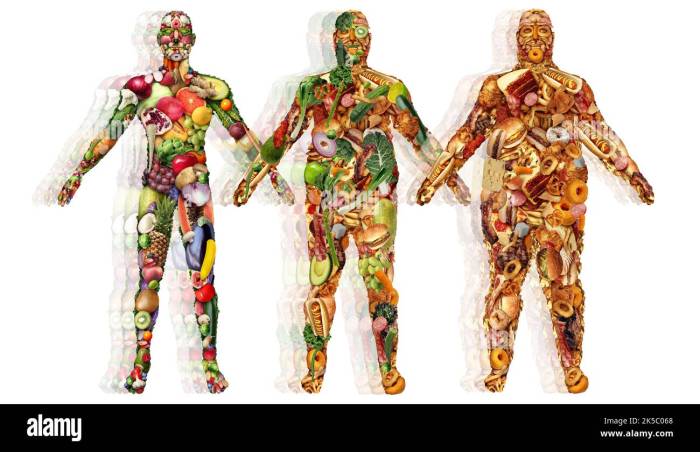
Beyond just physical health, a balanced diet plays a crucial role in promoting overall well-being, encompassing your mental, emotional, and spiritual aspects. This holistic approach to wellness emphasizes the interconnectedness of these different dimensions and how they influence each other.
The Link Between Diet and Mental Well-being
The food we consume has a direct impact on our brain function and mental health. A balanced diet provides the essential nutrients our brains need to operate optimally.
“Our brains are incredibly complex and rely on a constant supply of nutrients to function properly.”
For instance, consuming adequate amounts of omega-3 fatty acids, found in fatty fish like salmon and walnuts, has been linked to improved cognitive function, mood regulation, and reduced risk of depression.
Examples of Dietary Benefits
- Better Sleep:A diet rich in tryptophan, an amino acid found in turkey, eggs, and dairy products, can help promote relaxation and improve sleep quality.
- Enhanced Energy Levels:A balanced diet provides the body with the necessary vitamins, minerals, and carbohydrates to fuel our daily activities. Avoiding processed foods and sugary drinks can help stabilize blood sugar levels and prevent energy crashes.
- Improved Mood:Consuming foods rich in B vitamins, such as leafy greens, whole grains, and legumes, can contribute to the production of neurotransmitters like serotonin, which plays a crucial role in regulating mood and happiness.
Stress Management and Mindfulness
Stress can significantly impact our eating habits and overall well-being. Incorporating stress management techniques into our daily routines is essential for holistic wellness. Mindfulness practices, such as meditation and deep breathing exercises, can help us become more aware of our thoughts, feelings, and bodily sensations, allowing us to better manage stress and make healthier choices.
“Mindfulness can help us become more aware of our eating habits and make conscious decisions about what we consume.”
Final Conclusion
Embarking on the journey to a balanced diet is a significant step towards a healthier and happier you. By understanding the principles of healthy eating, setting realistic goals, and seeking support when needed, you can make this transition a positive and rewarding experience.
Remember, it’s not about perfection, but about progress. Each small change you make contributes to a healthier future.
Essential FAQs
What are some common unhealthy eating habits?
Common unhealthy habits include skipping meals, eating large portions, consuming excessive processed foods, sugary drinks, and fast food. These habits can lead to nutrient deficiencies, weight gain, and an increased risk of chronic diseases.
How long does it take to transition to a balanced diet?
There’s no set timeline for transitioning to a balanced diet. It’s a gradual process that depends on individual circumstances and goals. Focus on making small, sustainable changes over time, rather than drastic overhauls.
What if I slip up and eat unhealthy foods?
Don’t be discouraged by occasional slip-ups. They’re part of the journey. The key is to learn from them, forgive yourself, and get back on track with your healthy eating plan.

More Stories
Boost Immunity: Superfoods for Stronger Meals
Herbal Remedies for Boosting Immunity During Flu Season
Holistic Wellness: Key to Long-Term Health